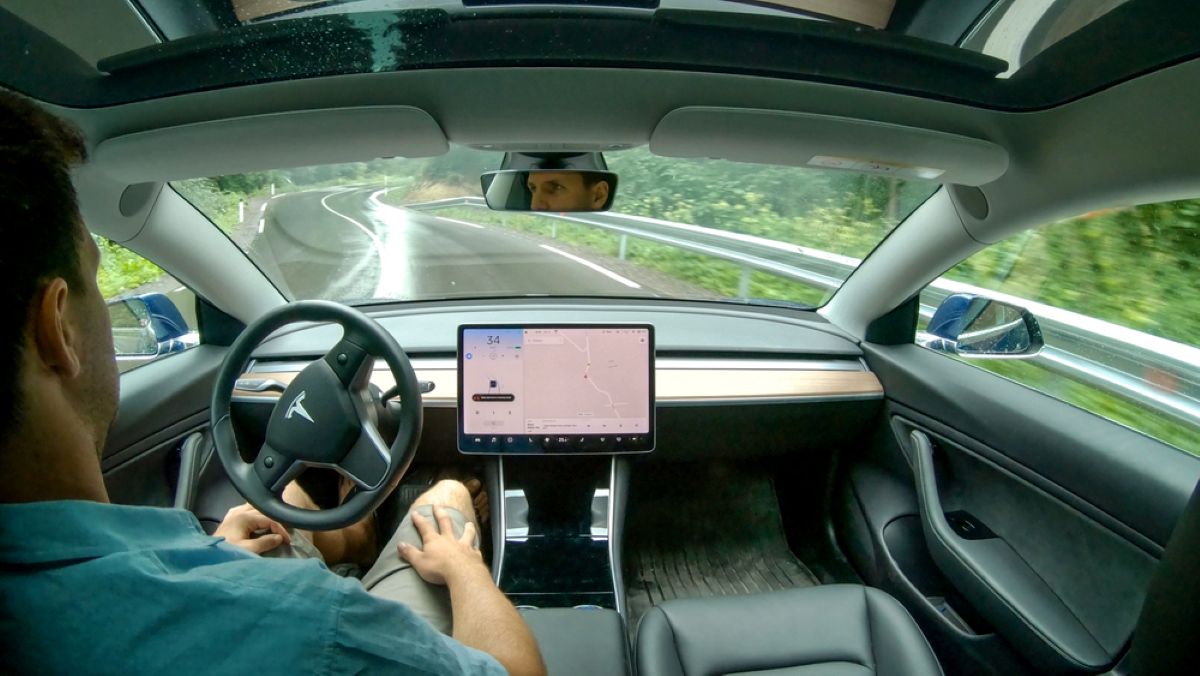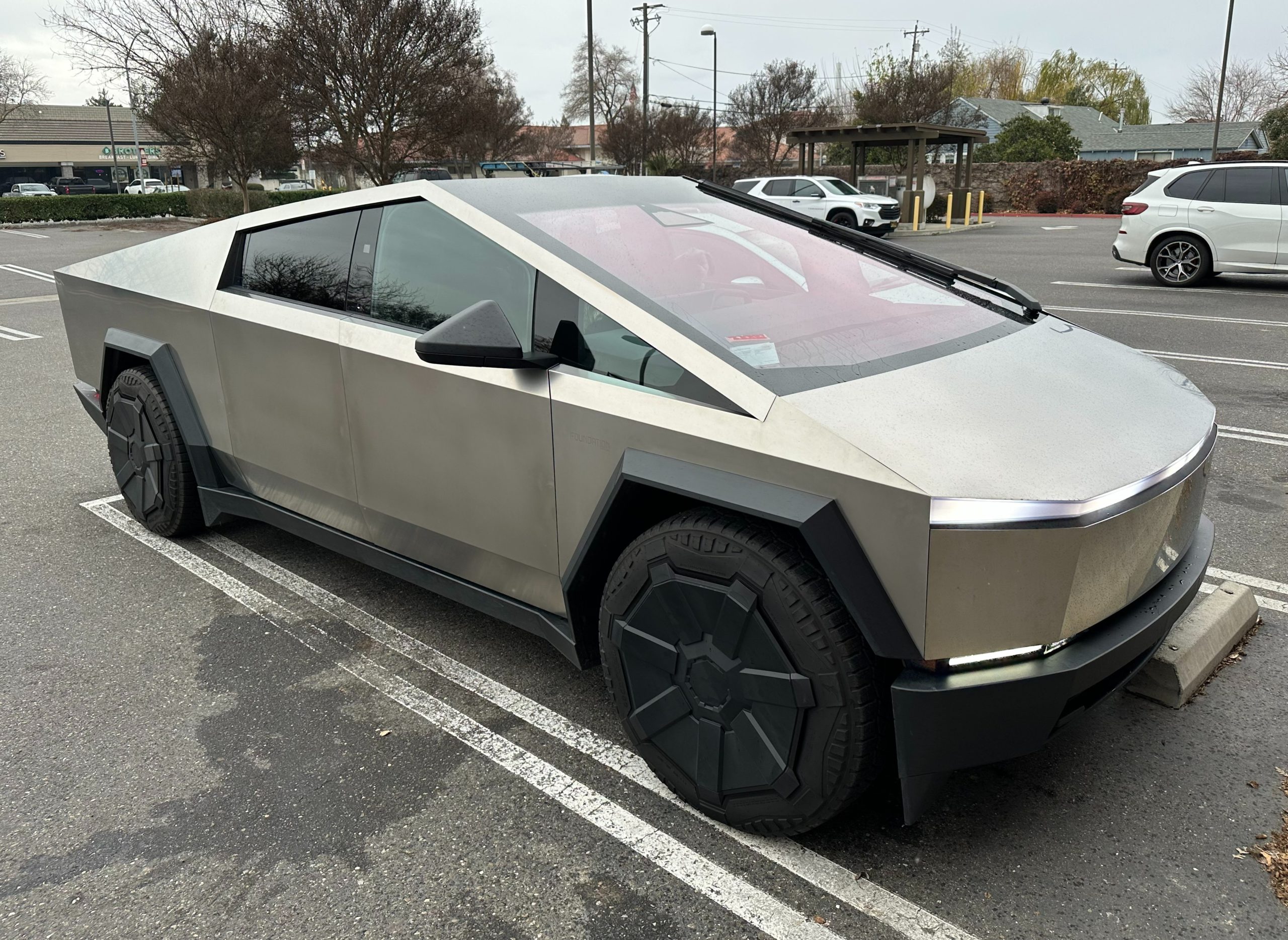
Rain turns pedestrians into ghosts for self-driving cars. When moderate rainfall hits—the kind that sends you scrambling for an umbrella—autonomous vehicle sensors lose the ability to detect humans with terrifying efficiency.
The Technical Reality Behind the Marketing
Lidar sensors create a “noise curtain” effect that makes pedestrians vanish from detection systems.
Here’s what the industry doesn’t emphasize in its glossy presentations: raindrops scatter and reflect the laser pulses that lidar systems use for mapping. Each droplet becomes a false signal, cluttering the sensor data with phantom objects while real humans disappear from view.
At moderate rainfall rates of 10-20mm per hour, lidar detection drops by 60%. When rainfall reaches 40mm per hour—think heavy shower, not biblical flood—successful pedestrian detection plummets to just 10% of normal performance.
When Safety Systems Become Safety Risks
AVs struggle most precisely when human drivers need technological assistance most.
The cruel irony cuts deep. Autonomous vehicles promise safer roads, yet they’re most likely to fail during conditions when human drivers genuinely need help—low visibility, wet pavement, reduced reaction times.
Dr. Valentina Donzella from Warwick University puts it bluntly: “More than one type of sensor will be needed to ensure the vehicle can detect objects in heavy rain.” Current sensor fusion attempts haven’t solved the fundamental problem.
The Gap Between Promise and Performance
Independent research reveals limitations that manufacturer marketing glosses over.
Lidar manufacturers like Hesai claim their systems experience only “mild reduction” in moderate rain. Meanwhile, peer-reviewed studies from researchers like Heinzler show detection efficacy “declines sharply with increased rainfall” and becomes “essentially nullified” at distance during heavy precipitation.
The disconnect feels like comparing a dating app profile to the actual first date—technically accurate but practically misleading.
What This Means for Your Streets
AV deployment without solving weather limitations raises serious consumer safety questions.
Every autonomous vehicle on your city’s streets represents a rolling experiment in weather-dependent safety. Until manufacturers transparently address these limitations rather than minimizing them, the promise of crash-free driving remains more aspiration than reality.
You deserve to know whether that AV approaching the crosswalk can actually see you through the rain.