This article is for informational purposes only and is not a substitute for medical advice. If you suspect a sleep disorder, consult a healthcare provider. Kiva Dream Team products contain THC and are intended for adults 21 and older. Available only where adult-use cannabis products are legal.
It happens at almost the same time every night. You open your eyes, look at your phone, and it’s 3 am. You’re not sure what woke you, and you can’t get back to sleep.
You’re not imagining a pattern. A study published in the Journal of Clinical Sleep Medicine found that people who wake habitually at 3 am spend 34% more time in light stage 1 sleep during the second half of the night compared to good sleepers, making them far more vulnerable to anything that would otherwise not disturb a deeper sleeper. And multiple biological systems happen to converge around that window: cortisol starts climbing, body temperature hits its daily low, and sleep architecture shifts toward lighter stages.
Here are eight common reasons it keeps happening, and what you can actually do about each one.
Use code GADGETSLEEP20 to get 20% off Camino Midnight Blueberry ‘Sleep’ and Blackberry Dream ‘Deep Sleep’. Code valid one-time only; cannot be combined with any other offer. Good through 3/31/26.
1. You Had Alcohol Before Bed

A drink or two at night feels like it helps you sleep. It does — for a few hours. Alcohol causes more consolidated sleep in the first half of the night and an increase in sleep disruption in the second half. As it metabolizes out of your system, your brain compensates with a rebound effect that fragments sleep at exactly the wrong time.
The math is pretty direct. After five drinks at 10 pm, the alcohol level reaches near zero around 3 am, with increased arousal from that point onwards. Even two or three drinks follow the same curve, just a shorter fuse. The sedation that put you to sleep is gone, and what’s left is a nervous system coming back online.
Fix it: If nightcap habits are hard to break, shifting to a product that supports sleep architecture rather than disrupting it makes a real difference. Kiva’s Blackberry Dream Deep Sleep gummies — 10mg THC, 10mg CBN, and 10mg CBD — are specifically designed for staying asleep through the second half of the night, which is exactly the window alcohol demolishes. Available where adult-use cannabis is legal, for adults 21+.
2. Your Cortisol Is Rising Too Early

Cortisol is often called the stress hormone, but it’s more accurate to call it an alertness hormone. It begins rising naturally around 2–3 am, gradually increasing until it peaks about 30 to 45 minutes after you wake up — a built-in alarm clock your body runs every night. For most people, this rise is gradual and doesn’t break sleep. For people under chronic stress, it’s steeper and earlier.
People with insomnia often have an earlier and steeper cortisol rise, particularly under chronic stress, which is why the same 3 am wake-up happens whether or not anything stressful occurred that day. If your HPA axis (the system that regulates cortisol) is running hot, it fires before you’re ready.
Fix it: Consistently high evening cortisol is often the result of cumulative stress rather than one bad day. Ashwagandha, a clinically studied adaptogen, reduces baseline cortisol over four to eight weeks of regular use. Magnesium glycinate works on the same system from a different angle, dampening NMDA receptor excitation that feeds the cortisol feedback loop.
3. Your Blood Sugar Is Dropping
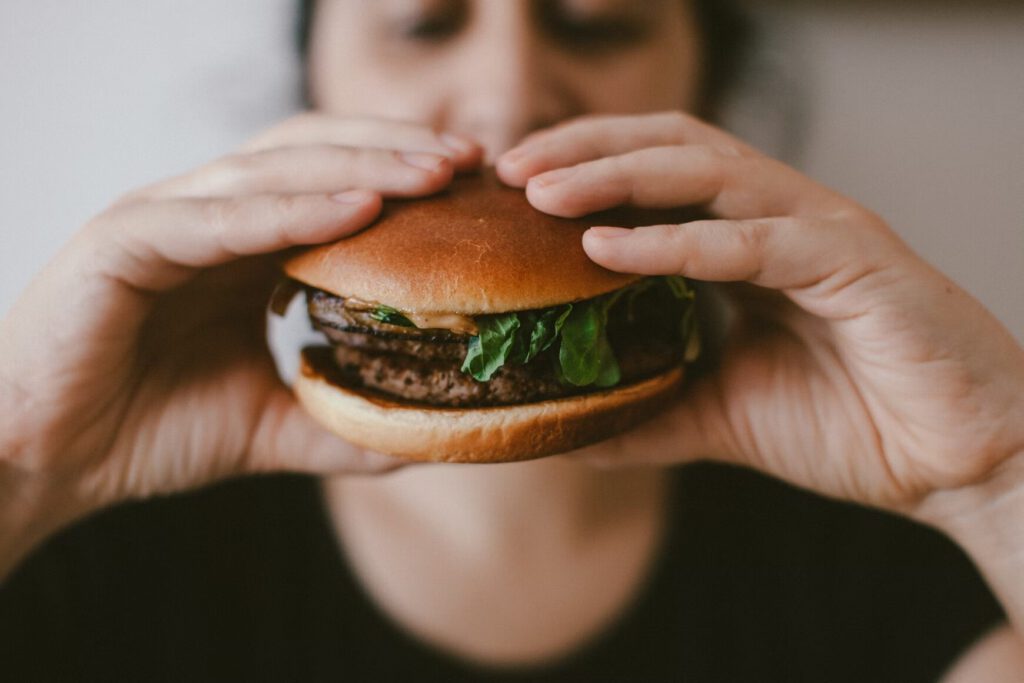
The liver releases glucose overnight to keep blood sugar stable while you fast. When that mechanism is sluggish — or when you went to bed with low glycogen stores — blood sugar can dip enough to trigger an adrenaline response. A study examining habitual 3 am wakers found disrupted glucose metabolism in 43% of subjects, making it one of the more common and overlooked drivers of middle-of-the-night waking.
This is more likely if you skipped dinner, ate very low-carb, had intense exercise late in the day, or went to bed after a long fast.
Fix it: A small, slow-digesting snack before bed (something like a tablespoon of nut butter, a few crackers, or a small banana) can stabilize overnight glucose without disrupting sleep onset. Avoid anything high in sugar, which can spike and crash.
4. Your Sleep Environment Is Too Warm
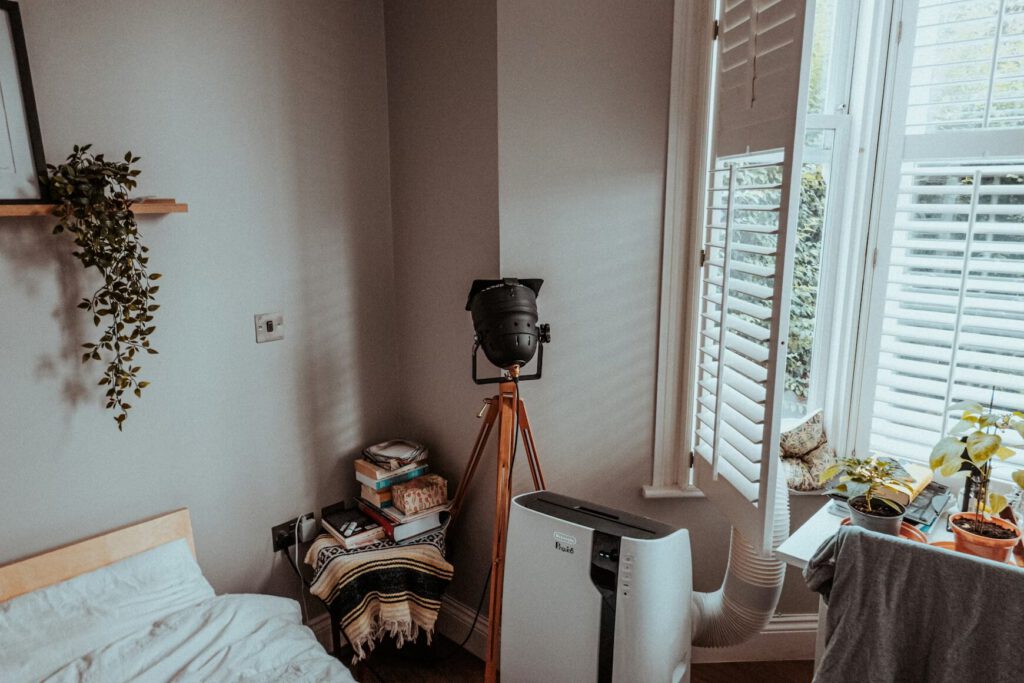
Your core body temperature drops about 1–2 degrees Fahrenheit at the start of sleep — and it has to stay low to keep you in deep sleep. Around 3 am, core body temperature reaches its nightly nadir, and even small environmental disruptions to that thermal balance — a room that’s too warm, blankets that don’t breathe, a partner who radiates heat — can push you into lighter sleep stages or fully wake you.
Most people sleep best in rooms between 65–68°F. Many run warmer than that.
Fix it: A cooling mattress pad or breathable bedding makes a measurable difference if heat is the issue. If you sleep hot naturally, glycine supplementation (3g before bed) independently lowers core body temperature through a separate mechanism and can extend deep sleep without any other changes.
If you’re already using Kiva’s Midnight Blueberry Sleep gummies, the Linalool and Myrcene terpenes in the formula also have mild temperature-regulating and relaxing properties — a complementary layer on top of environmental fixes.
5. You Have Undiagnosed Sleep Apnea
Obstructive sleep apnea affects an estimated 39 million American adults, and the majority are undiagnosed. Breathing disruptions throughout the night trigger micro-arousals — many of which people don’t fully register as waking up. But because REM sleep dominates the early morning hours and apnea worsens during REM when muscle tone decreases, apnea events cluster between 2–6 am, which is squarely in the 3 am window.
If you wake consistently at that time and also snore, wake up with headaches, feel unrested after a full night, or your partner has noticed you stopping breathing, this is worth taking seriously.
Fix it: A sleep study — now available at home without a clinic visit — can confirm or rule it out. CPAP therapy resolves the issue in most cases. No supplement or lifestyle change will fix structural airway obstruction.
6. Your Anxiety Is Running in the Background

Racing thoughts at 3 am are a well-documented phenomenon. When the distractions of the day are gon,e and the brain shifts into lighter sleep, anxious thought patterns have more room to surface. The cortisol connection is part of it — for people with elevated cortisol due to stress or anxiety, the natural 2–3 am cortisol rise hits an already-elevated baseline, triggering the sympathetic nervous system and making it harder to fall back asleep.
It also creates a feedback loop. Waking up anxious about waking up anxious makes the problem worse over time.
Fix it: Kiva’s Midnight Blueberry Sleep gummies address this from two directions. The 5mg THC quiets the mental noise that feeds 3 am anxiety, while the CBN extends the sleep cycle itself. The chamomile and lavender infusion adds an extra layer for people whose issue is primarily stress-driven waking rather than structural sleep disruption. For a more comprehensive approach, L-theanine (200mg) before bed specifically targets alpha brain wave activity — the same relaxed-but-alert state that keeps anxious rumination from spiraling.
7. Your Sleep Schedule Is Inconsistent
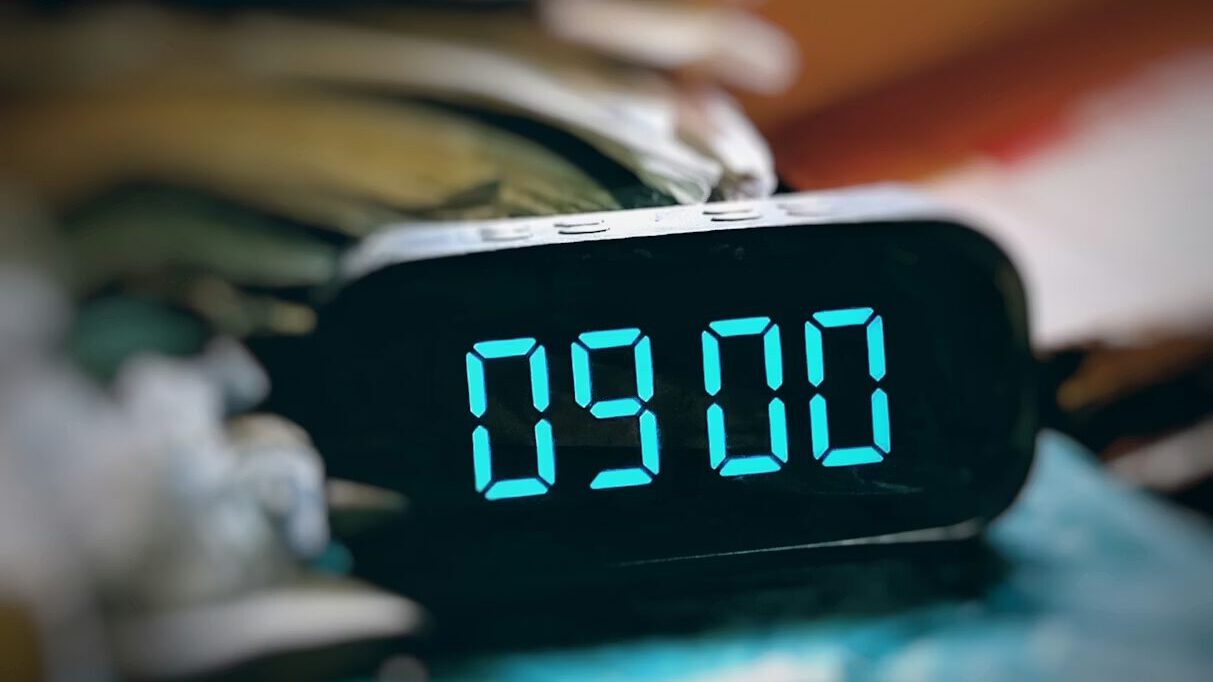
Your circadian clock is a timing system, and it expects to be used at consistent intervals. When you go to bed at different times throughout the week, such as earlier on weekdays and significantly later on weekends, your internal clock can’t predict when deep sleep is supposed to happen. The result? The architecture of your sleep cycle becomes unpredictable.
The second half of the night is the most sensitive to this kind of disruption. Deep slow-wave sleep is front-loaded; REM sleep is back-loaded. A clock that’s running an hour or two off will push you out of REM at the wrong time, and 3 am is often when that transition happens.
Fix it: Picking a consistent wake time is more powerful than a consistent bedtime. Waking at the same time daily anchors the clock from the morning side, and bedtime naturally follows. Even on weekends. Even if you went to bed late. It feels rough for the first week, and then the body adapts quickly. If it’s hard to get that routine going, you can consider any number of the remedies mentioned earlier, like taking gummies or seeing a specialist.
8. Your Wind-Down Routine Isn’t Working

Screens, late meals, bright lights, and high-stimulation content before bed prime your nervous system for wakefulness. The physiological effects don’t disappear the moment you close your eyes. Blue light suppresses melatonin for up to three hours after exposure. A heavy meal diverts blood flow and raises core body temperature. A stressful show or a scroll through the news elevates cortisol before bed — putting you in the exact situation described in reason two
Sleep quality in the second half of the night is strongly influenced by how well you actually wound down before the first half, so make sure you’re doing all you can with your winding-down routine.
Fix it: A consistent, low-stimulation 30–60 minute wind-down window before bed makes a measurable difference. Add a cannabinoid sleep aid to that routine — Kiva offers both a lighter entry point with the Midnight Blueberry gummies (5mg THC, 1mg CBN) and a more powerful option with the Blackberry Dream formula (10mg THC, 10mg CBN, 10mg CBD) — taken 30–45 minutes before bed, as part of that routine rather than as a last-resort fix. See the full Dream Team lineup here.