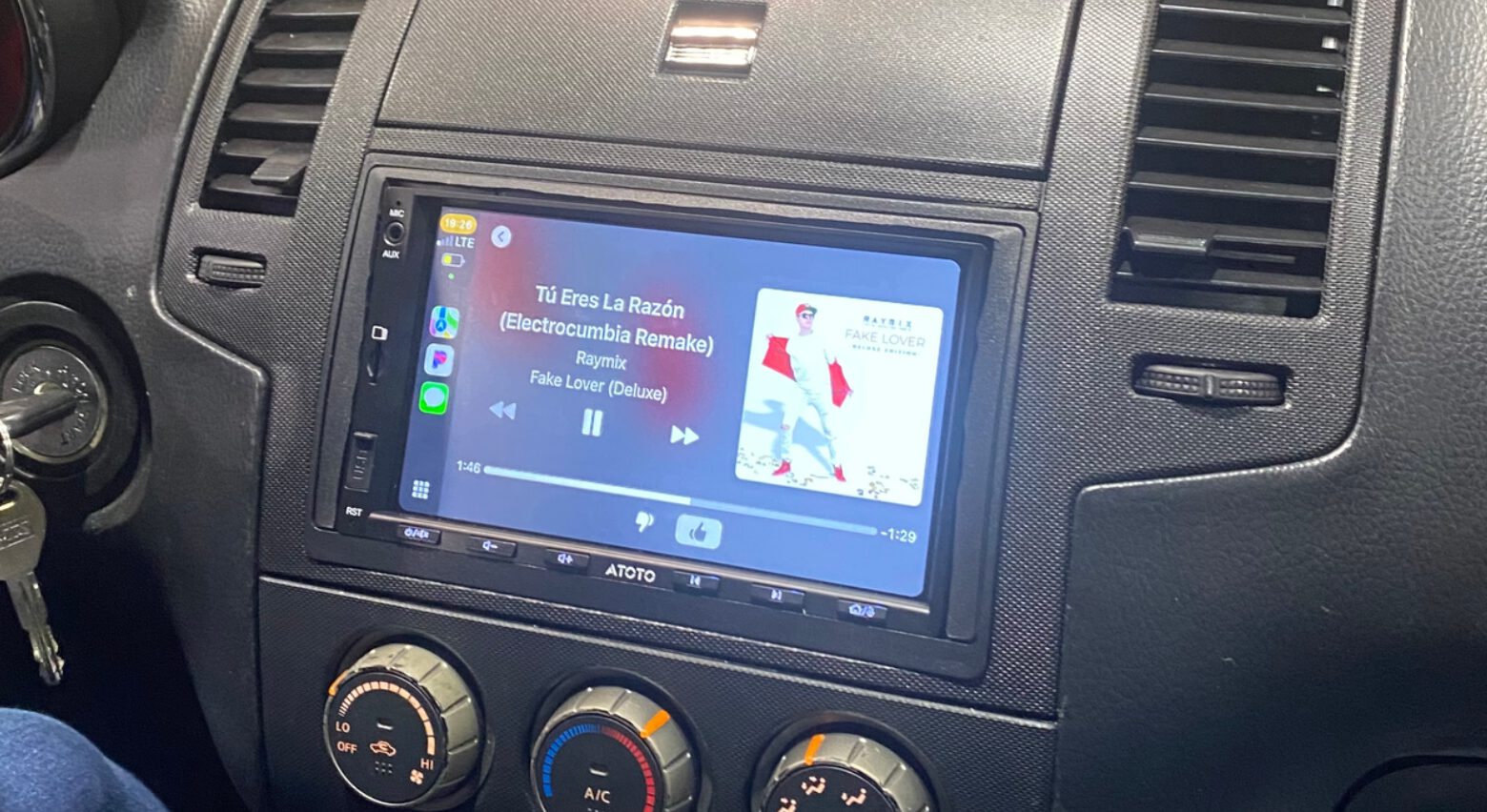
Blasting your favorite high-energy playlist during rush hour might explain your recent speeding ticket. Research suggests that drivers listening to music over 120 beats per minute show increased likelihood of speed limit violations, turning your daily commute soundtrack into an unintentional lead foot trigger.
The Playlist-Speedometer Connection
Traffic safety researchers have identified a measurable correlation between song tempo and driving behavior.
Studies indicate drivers exposed to high-BPM tracks—think electronic dance music, aggressive hip-hop, or driving rock anthems—unconsciously sync their acceleration patterns to the music’s energy level. Your brain treats that pumping beat like a metronome for your gas pedal.
The phenomenon makes evolutionary sense. High-tempo music activates the same physiological responses as excitement or stress: elevated heart rate, increased alertness, and a subconscious urge for action. When you’re behind the wheel, that translates directly into heavier acceleration and less attention to speed limit signs.
When Algorithms Become Accomplices
Modern streaming services compound this effect through algorithmic playlist creation.
Spotify’s workout playlists or Apple Music’s high-energy collections deliberately sequence driving tracks to maintain momentum—perfect for the gym, potentially problematic for the freeway. Your carefully curated driving playlist might be programming you to speed without realizing it.
The research becomes particularly relevant during commute hours, when drivers often rely on upbeat music to combat traffic frustration or morning fatigue. That caffeine-and-EDM combination turns routine drives into inadvertent speed contests with posted limits.
Context Matters More Than BPM Alone
While tempo correlation appears in multiple studies, other factors amplify the effect.
Familiar songs with personal emotional connections reportedly create stronger behavioral responses than unfamiliar high-BPM tracks. Additionally, aggressive lyrics combined with fast tempos create a multiplicative effect on risky driving behaviors.
The research doesn’t suggest abandoning energetic music entirely—just developing awareness of how your soundtrack shapes your driving habits. Next time you catch yourself unconsciously accelerating during that perfect driving anthem, remember that your playlist might be more influential than you think.
The solution isn’t necessarily slower music, but conscious recognition that your favorite pump-up tracks might need conscious speed monitoring to match.