Your car’s automatic emergency braking system activates without warning, slamming you to a sudden stop on a busy highway. The vehicle behind you doesn’t have time to react. This scenario represents the growing phantom braking crisis affecting drivers across multiple manufacturers.
Welcome to the phantom braking epidemic, where your car’s “smart” safety systems mistake shadows for obstacles and road debris for imminent collisions. What manufacturers marketed as life-saving technology has quietly become a highway hazard documented in federal investigations.
When Sensors See Ghosts
AI misinterprets everyday road conditions as emergencies.
NHTSA opened a formal investigation into phantom braking in Tesla vehicles, with documented incidents revealing the scope of this problem. The investigation focuses on 2021-2022 Tesla Model 3 and Model Y vehicles after receiving hundreds of complaints about unexpected braking events. The investigation is ongoing.
The problem extends beyond Tesla. Nissan, Subaru, Toyota, Ford, Honda, and GM have all faced recalls related to automatic emergency braking system issues. These manufacturers have had to address software problems where sensors misread normal driving conditions as emergencies requiring immediate intervention.
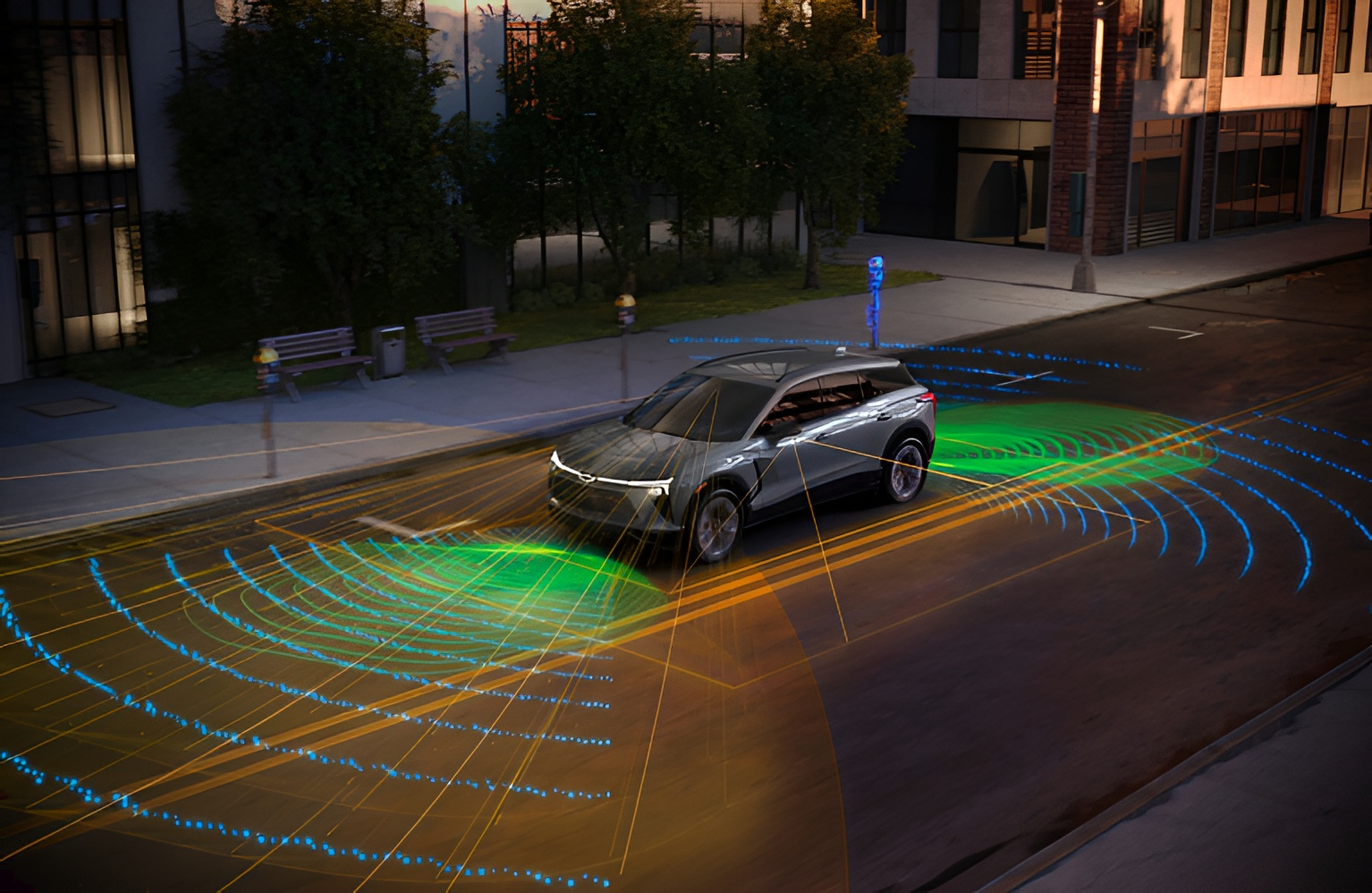
Your car’s AI processes visual data faster than you can blink, but it lacks human context. Shadows from overpasses become solid barriers. Rain on sensors triggers false alerts. Construction zones confuse algorithms trained on perfect highway conditions. The same computational power that enables autonomous features creates blind spots in common driving scenarios.
Taking Back Control
Understanding when to trust—and override—your vehicle’s AI decisions.
You can’t disable these safety systems entirely (regulations prevent it), but you can prepare for their quirks:
- Keep an extra following distance when using adaptive cruise control
- Stay alert in construction zones where lane-keeping assist gets confused by temporary markings
- Learn your specific vehicle’s phantom braking patterns—many drivers report triggers around certain weather and road conditions
The broader scope of AI feature failures remains unclear due to limited public research data. Manufacturers control most testing information, making a comprehensive assessment of AI-related driving hazards difficult.
Until transparency improves, your best defense is healthy skepticism. Stay ready to override automated decisions when your driving experience suggests the system has misread the situation.