Over 500,000 vehicles sold with fraudulent safety credentials spanning back to 1989.
That five-star safety rating on your car dashboard? It might reflect a vehicle that doesn’t actually exist. Toyota’s Daihatsu subsidiary has admitted to systematic crash test manipulation affecting 64 vehicle models across multiple brands—a fraud stretching back to 1989. The vehicles earning those coveted safety ratings were hand-built “golden units” packed with specialized airbag systems, reinforced structures, and calibrated components never installed in the cars rolling off production lines.
The Engineering of Deception
Manufacturers used timer-controlled airbags and structural modifications absent from production models.
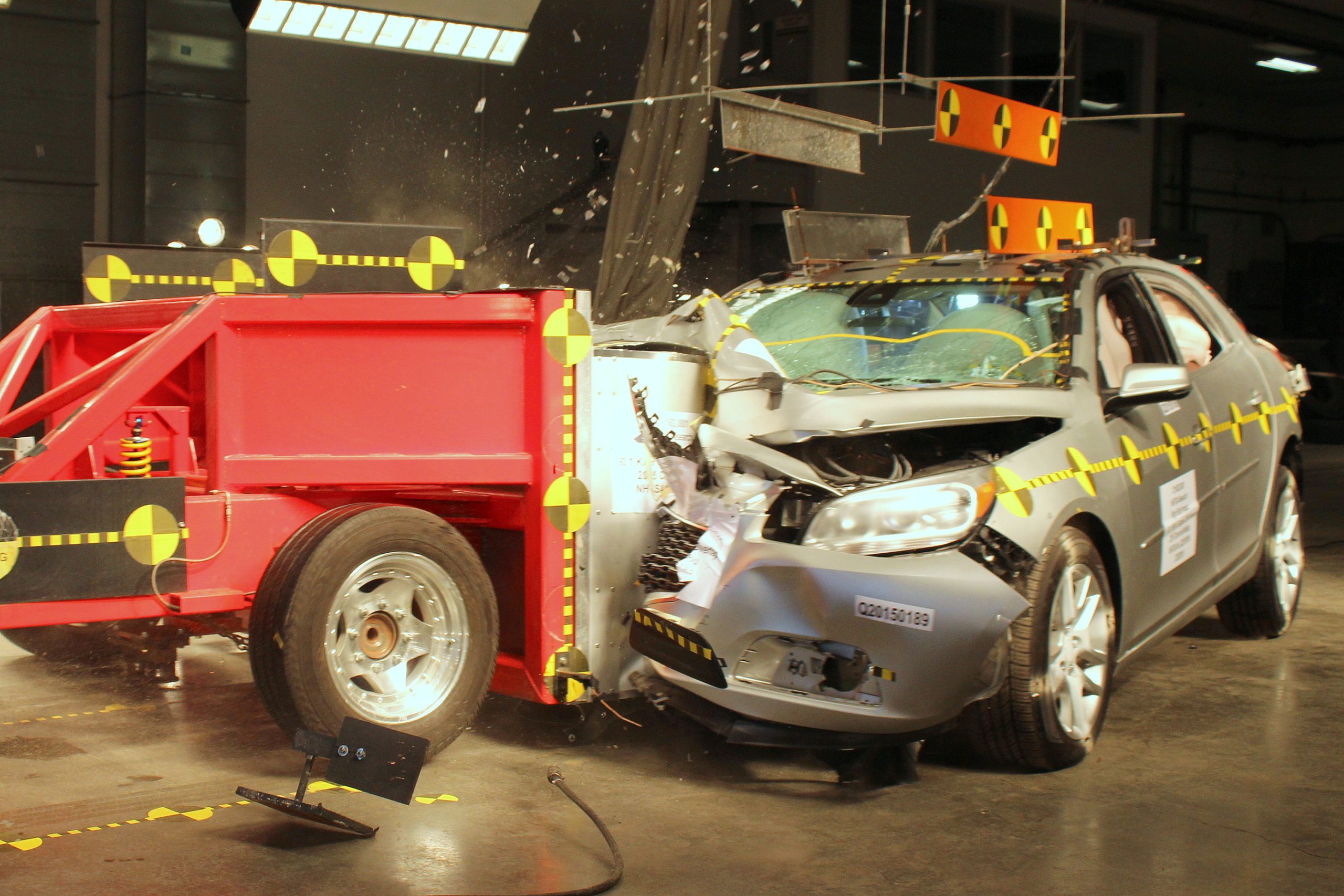
The manipulation techniques read like a masterclass in institutional fraud. Test vehicles used timers to deploy airbags instead of actual crash sensors—fundamentally altering the safety response you’d experience in a real accident. Daihatsu engineers cut special notches into crash-test vehicles for side-impact tests, creating artificial crumple zones that improved ratings while production vehicles lacked these modifications entirely. Honda falsified headrest impact data and Toyota used incorrect crash angles for pedestrian safety tests, according to third-party investigators led by TÜV Reinland Japan.
Regulatory Capture in Plain Sight
Testing standards allow manufacturer self-reporting without production vehicle verification.
Current crash testing standards specify what must be tested but don’t require that test vehicles represent actual production models. NHTSA doesn’t conduct random audits of assembly line vehicles to verify they match tested specifications. The Takata airbag scandal already proved this vulnerability—that company hid defective inflators for years, earning a $1 billion criminal penalty for wire fraud. Yet the same structural weaknesses persist, allowing manufacturers to game safety ratings with legal impunity.
Industry-Wide Contagion
Honda, Mazda, and Subaru all discovered similar violations through internal audits.
This isn’t a Daihatsu problem—it’s an industry culture problem. Honda admitted to eight years of wrongdoing across two dozen models, while Mazda suspended shipments after discovering workers modified engine control software and used those infamous airbag timers. Even the Lexus RX underwent engine reprogramming for testing that production models never received. The most damning detail? None of these violations were caught by regulators. Every admission came through voluntary internal audits, suggesting countless more violations remain undetected.
What This Means for Your Next Purchase
US independent testing provides some protection, but trust in safety ratings faces fundamental collapse.
Your protection depends entirely on geography and luck. American vehicles benefit from independent crash testing by organizations like the Insurance Institute for Highway Safety, which manufacturers reportedly didn’t manipulate. But hundreds of thousands of international buyers received vehicles with questionable safety credentials backed by fraudulent ratings. The scandal demands immediate regulatory reform: mandatory random sampling of production vehicles, unannounced factory audits, and criminal penalties for safety fraud. Until then, that five-star rating represents marketing fiction, not engineering reality.