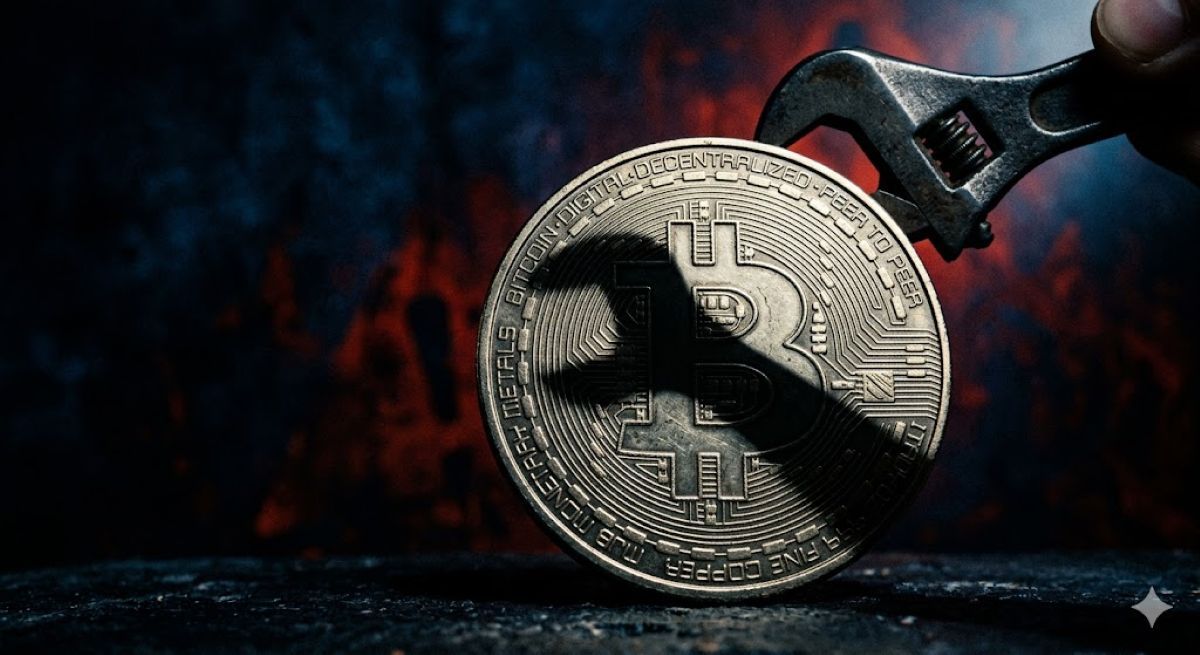
Crypto’s “trustless” technology proves useless when criminals use old-fashioned torture. David Balland learned this brutal lesson in January 2025 when kidnappers severed his finger to pressure a Bitcoin ransom. The Ledger co-founder and his wife were snatched from their French home, victims of what security researchers call a “wrench attack“ — physical violence used to bypass even the most sophisticated digital defenses.
The term comes from a 2014 meme joking that hitting someone with a wrench beats breaking encryption. Today, that dark humor has spawned a violent industry targeting crypto holders.
The Numbers Tell a Terrifying Story
France has become the global epicenter of crypto kidnappings and violent robberies.
Security firm CertiK recorded 34 physical attacks on crypto holders in just the first three months of 2026 — a 41% spike from the previous year, with over $101 million stolen. France leads this grim tally, averaging one attack every 2.5 days.
Gart Security’s broader analysis reveals 340 wrench attacks worldwide over the past decade, including 26 fatalities. Meanwhile, Coinbase disclosed spending $8.7 million on CEO Brian Armstrong’s security in 2025, up from $6.2 million the year before. These aren’t ordinary muggings — they’re calculated operations targeting crypto’s most visible figures.
From Opportunistic to Organized Crime
Criminal groups now use professional surveillance and encrypted coordination to target crypto wealth.
TRM Labs’ Ari Redbord describes a troubling evolution from “opportunistic targeting to something more structured.” Criminal organizations exploit leaked KYC databases from crypto exchanges, conduct pre-operational surveillance, and use encrypted messaging to coordinate attacks while staying insulated from direct contact.
France’s crypto “flex culture” — influencers flaunting Lamborghinis and Rolex collections on social media — provides criminals with ready-made target lists. The Vienna case, where attackers beat a crypto holder to death after extracting his keys, illustrates how far criminals will escalate when millions are at stake.
No Technical Solution for Physical Threats
Multi-signature wallets and hardware security mean nothing when your family is threatened.
You can build the most secure wallet imaginable, but none of that matters when criminals hold your spouse hostage. The Balland case underscores crypto’s fundamental vulnerability: instant, irreversible transfers combined with highly visible wealth create perfect conditions for violent extortion.
No amount of computer security protects against threats of violence, making operational security — keeping wealth private rather than technical — the only real defense. The industry that promised to eliminate trust still requires trusting that your neighbors won’t kidnap you for your Bitcoin.