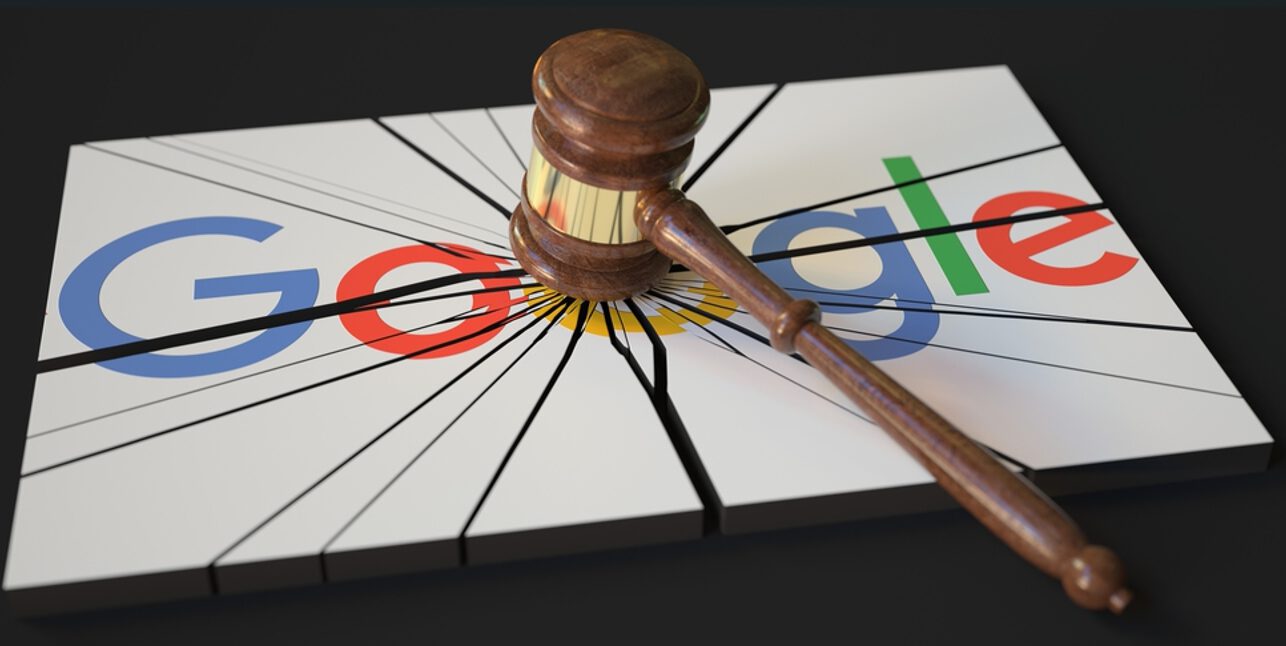
Racing to land your next job? That resume screening algorithm rejecting you might soon face scrutiny—if Colorado’s groundbreaking AI law survives federal pushback. Colorado just threw the first punch in what’s shaping up to be the tech industry’s biggest regulatory brawl since net neutrality. The state’s Colorado AI Act, signed into law on May 17, 2024, forces companies to come clean when artificial intelligence makes decisions about your career, loan application, or housing prospects. Think of it as algorithmic transparency meets consumer protection—with real teeth.
Your Right to Know When Robots Judge You
Colorado’s law grants unprecedented visibility into AI-driven hiring and lending decisions.
The legislation targets “high-risk AI systems”—those algorithms quietly determining whether you get interviewed, approved for a mortgage, or accepted into graduate school. Companies deploying these systems must now:
- Conduct annual impact assessments
- Notify you when AI influences major decisions affecting your life
- Provide appeal processes when the robots get it wrong
The law covers everything from job applications to healthcare decisions, with fines reaching $20,000 per violation. Set to take effect February 1, 2026, further postponement to June remains possible amid intense lobbying and legislative wrangling.
Federal Fury and Legal Warfare
Federal preemption efforts threaten to override Colorado’s consumer protections before they begin.
Trump signed an executive order aiming to preempt strict state AI rules, created a federal “AI Litigation Task Force” to hunt them down, and threatened to cut federal broadband funds to states that don’t play ball. At the same time, tech companies are laying off thousands of workers, explicitly citing AI tools as the reason they “don’t need as many people.”
Colorado Attorney General Phil Weiser isn’t backing down from federal challenges, promising court battles against any executive orders targeting the state’s law. The stakes? Whether states can regulate algorithmic discrimination or if federal uniformity will prioritize innovation over accountability.
This echoes the streaming wars—except instead of fighting over content libraries, it’s about who controls the algorithms reshaping American employment and lending.
What This Means for Your Digital Life
Beyond legal theatrics, the outcome directly impacts how AI systems treat your applications and requests.
Picture submitting job applications into a black box that never explains why you’re rejected. Colorado’s law would crack that box open, requiring companies to detail their AI’s decision-making process and biases. For HR professionals, this means documenting everything from training data to bias mitigation strategies.
For job seekers and loan applicants, it means finally understanding why algorithms might systematically favor or penalize certain groups. The federal-state showdown will determine whether algorithmic accountability becomes the norm or remains a Colorado experiment.
Either way, the conversation about AI bias in hiring and lending is no longer theoretical—it’s personal, and it’s happening in your inbox right now.