Plasma densities 1.65 times beyond the theoretical limit shouldn’t be possible, yet China’s EAST reactor pulled it off on January 1, 2026. This breakthrough into the “density-free regime” solves a physics puzzle that’s stumped scientists since the Eisenhower administration—and brings limitless clean power for AI data centers and electric grids tantalizingly close to reality.
The Science Gets Real
EAST’s breakthrough proves plasma-wall self-organization theory can overcome density barriers that have plagued fusion for decades.
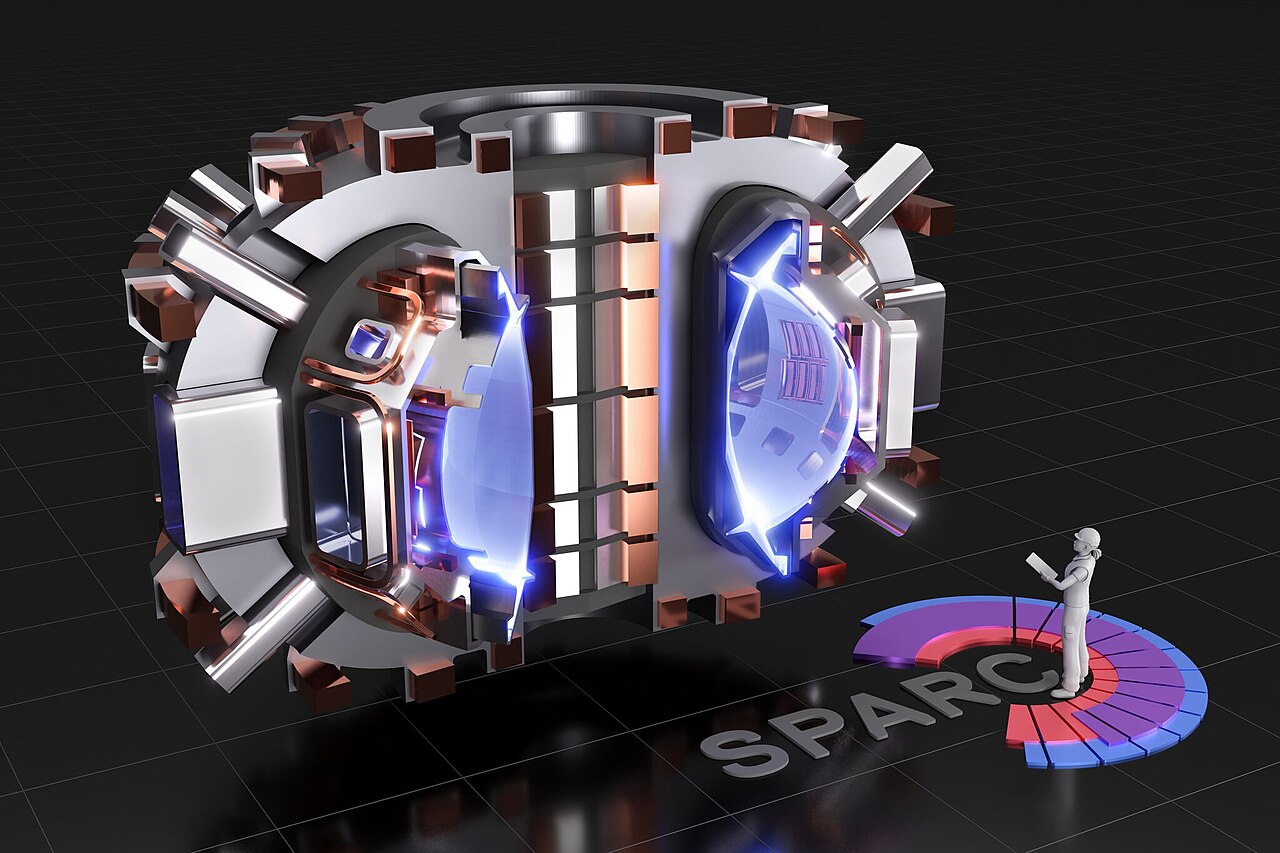
EAST’s tokamak reactor—imagine a doughnut-shaped magnetic cage holding plasma hotter than the sun’s core—achieved what plasma-wall self-organization theory predicted but nobody had proven. Using optimized electron cyclotron heating and precise fuel pressure control, the Chinese team sustained stable plasma beyond the Greenwald density limit that traditionally crashes fusion reactions.
“The findings suggest a practical and scalable pathway for extending density limits,” according to Prof. Ping Zhu, whose team published results in Science Advances. This density breakthrough represents the missing piece for achieving fusion ignition—the point where reactions become self-sustaining.
Your Energy-Hungry Future Depends on This
Fusion could power data centers and smart grids 24/7 without the intermittency issues plaguing current renewable sources.
Every ChatGPT query, Tesla charge, and Netflix stream demands massive power infrastructure that renewables alone can’t satisfy. ITER—the 30-country fusion megaproject under construction in France—now has a proven roadmap for achieving net energy production by 2039.
Unlike solar panels that quit at sunset or wind turbines that stall in calm weather, fusion plants could power Google’s data centers and your neighborhood smart grids around the clock without carbon emissions. The implications for powering AI training facilities and high-performance computing infrastructure are staggering.
Engineering Problem, Not Science Fiction
Private investors aren’t throwing billions at pipe dreams—they’re betting on engineering solutions to known problems.
Sure, fusion researchers have cried wolf before. JET tokamak’s best energy gain sits at just 0.67—still consuming more power than it produces. Materials that can withstand neutron bombardment for decades remain elusive.
But private investors aren’t throwing $9 billion at pipe dreams. They’re betting on engineering solutions to known problems, not waiting for physics miracles. The shift from theoretical breakthrough to practical engineering feels like watching SpaceX evolve from exploding rockets to routine launches.
Commercial fusion plants powering your smart home by the 2040s just moved from wishful thinking to aggressive timeline. EAST’s density breakthrough provides the scalable pathway that could finally make fusion energy a reality for the tech-powered world you live in.