Tech headlines move fast. Between AI launches, gadget rumors, and endless product drops, important stories often slip past the radar.
This week delivered a mix of surveillance debates, defense milestones, and government tech spending questions that could shape how technology affects everyday life. Here are five Gadget Review stories worth catching up on.

Mandatory Driver Surveillance Is Coming to New Cars
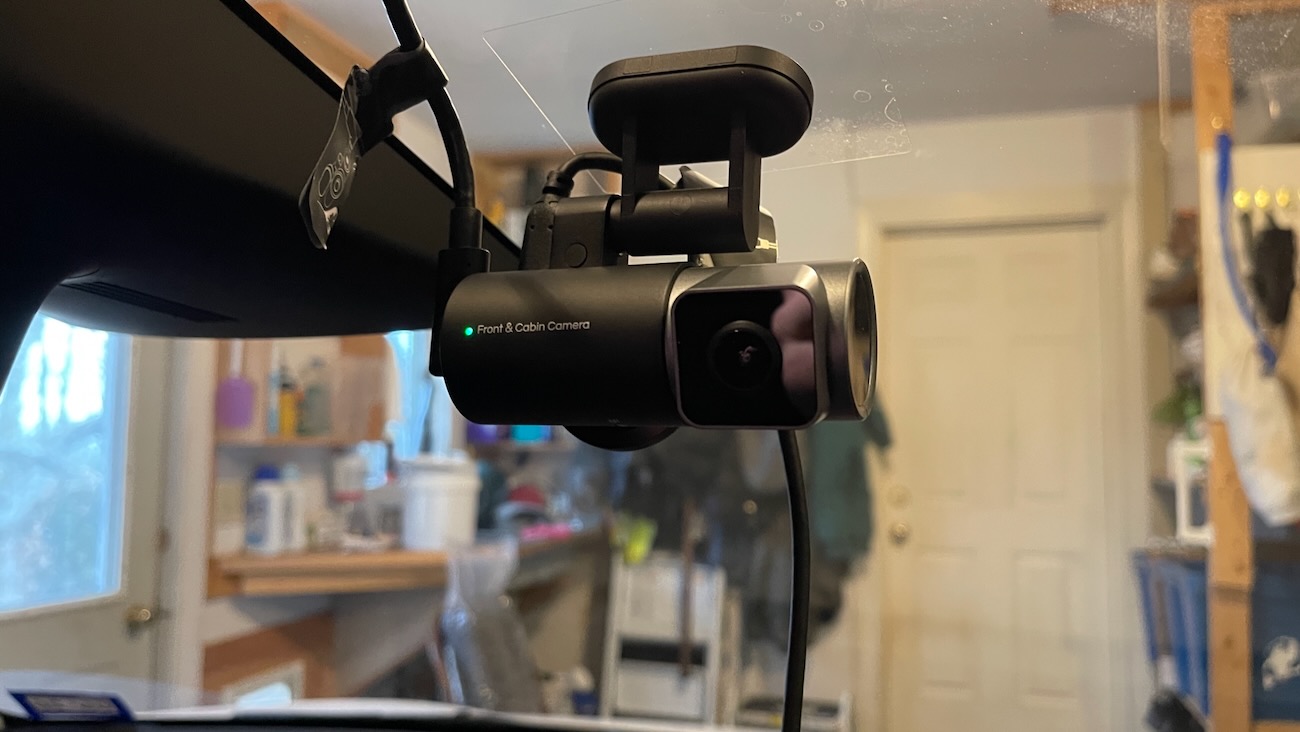
Starting around 2026–2027, federal rules may require new vehicles to include cameras and sensors that monitor driver alertness and impairment. These infrared systems track eye movement and other biometric signals to determine if you’re safe to drive.
The safety goal is clear, but critics warn the technology raises serious privacy concerns—and adds $100–$500 to vehicle costs.

Insurance Companies Are Using Drones to Inspect Your Home
A homeowner was reportedly hit with a $20,000 repair demand after an insurer used aerial imagery to evaluate their roof without a physical inspection. Insurance companies increasingly rely on drones, satellites, and AI analysis to assess property risk remotely.
The shift could streamline claims—but it also raises concerns about surveillance and algorithm-driven decisions affecting coverage.

America’s New Stealth Bomber Just Passed a Major Test
The B-21 Raider completed its first publicly documented aerial refueling test during a five-hour flight over California. Mid-air refueling dramatically extends the bomber’s range, allowing missions that can reach targets anywhere in the world.
The milestone pushes the aircraft closer to operational deployment, currently expected around 2027.

The Postal Service’s Electric Truck Might Be $22K Too Expensive
Defense contractor Oshkosh built a new electric mail truck costing about $77,000 each—roughly $22,000 more than comparable commercial EV vans. Critics argue the vehicles include unnecessary specifications for typical mail routes that average just 12–15 miles daily.
Meanwhile, the USPS has quietly been buying cheaper Ford E-Transit vans that perform the same job.

Lawmakers Are Trying to Kill Warrantless FBI Wiretaps
A group of lawmakers is pushing legislation to eliminate controversial surveillance powers that allow warrantless intelligence wiretaps. The move targets Section 702 authorities that critics say enable large-scale monitoring of communications involving Americans.
If passed, the reform could reshape how intelligence agencies collect digital data inside the U.S.