Linda Bennett thought her 20-year State Farm relationship meant something. Then she received a notice demanding $20,000 in roof repairs or face policy cancellation—based on aerial images she never knew were taken. No inspector visited her Santa Ana home. No visible damage existed. Just an algorithm’s verdict that her roof posed too much risk.
Welcome to the new world of insurance surveillance, where drones and AI decide your coverage fate from the sky.
The Eye in the Sky You Never Authorized
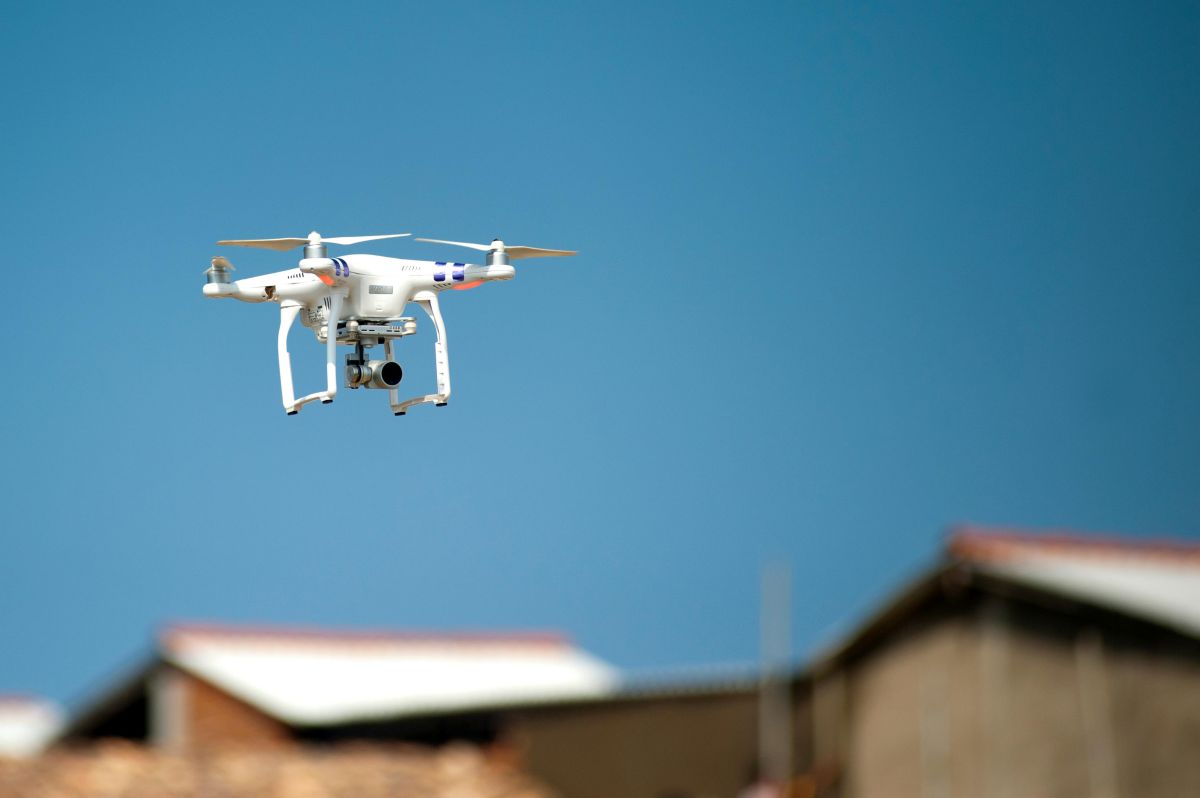
Insurers deploy drones, satellites, and aircraft to scan properties without homeowner knowledge or consent.
State Farm uses what it calls a “mix of aerial images” from drones, satellites, and manned aircraft, then feeds these photos through AI systems to assess roof conditions. The company advises customers to submit recent photos or professional inspections if disputing findings—essentially asking you to prove your innocence after their robot prosecutor has rendered judgment.
Bennett’s case isn’t isolated. Industry expert Amy Bach from United Policyholders explains that drone and AI technology “often misinterprets images, leading to overreactions like dropping long-term policies despite no actual changes” to properties. These systems supposedly identify risk markers, but frequently mistake shadows, weathering, or normal wear for catastrophic damage.
Big Brother Has a Contractor’s License
Nearly every U.S. building has been photographed by insurer-funded surveillance networks.
The scale is staggering. The Geospatial Insurance Consortium—funded by major insurers—has reportedly captured aerial images of nearly every building in America. Think of it as Google Earth, but designed to find reasons to drop your coverage rather than help you find the nearest Starbucks.
Class action investigations are targeting insurers for potential privacy invasions through unannounced drone flights. Reddit threads overflow with homeowners sharing similar stories of surprise repair demands following mysterious aerial inspections.
States Fight Back Against Sky Spying
Regulatory pushback emerges as lawmakers demand transparency and appeal rights for homeowners.
California passed legislation requiring 30-day advance notice before using aerial imagery for policy decisions. Pennsylvania mandates 60-day notice periods. These laws acknowledge what homeowners have learned the hard way: being watched from above without warning feels dystopian, especially when it threatens your financial security.
The good news? You can fight back. Document your property’s condition with recent photos and professional inspections. Most states allow appeals with evidence submission—though you’ll be arguing against an algorithm that’s already made up its digital mind about your roof’s fate.