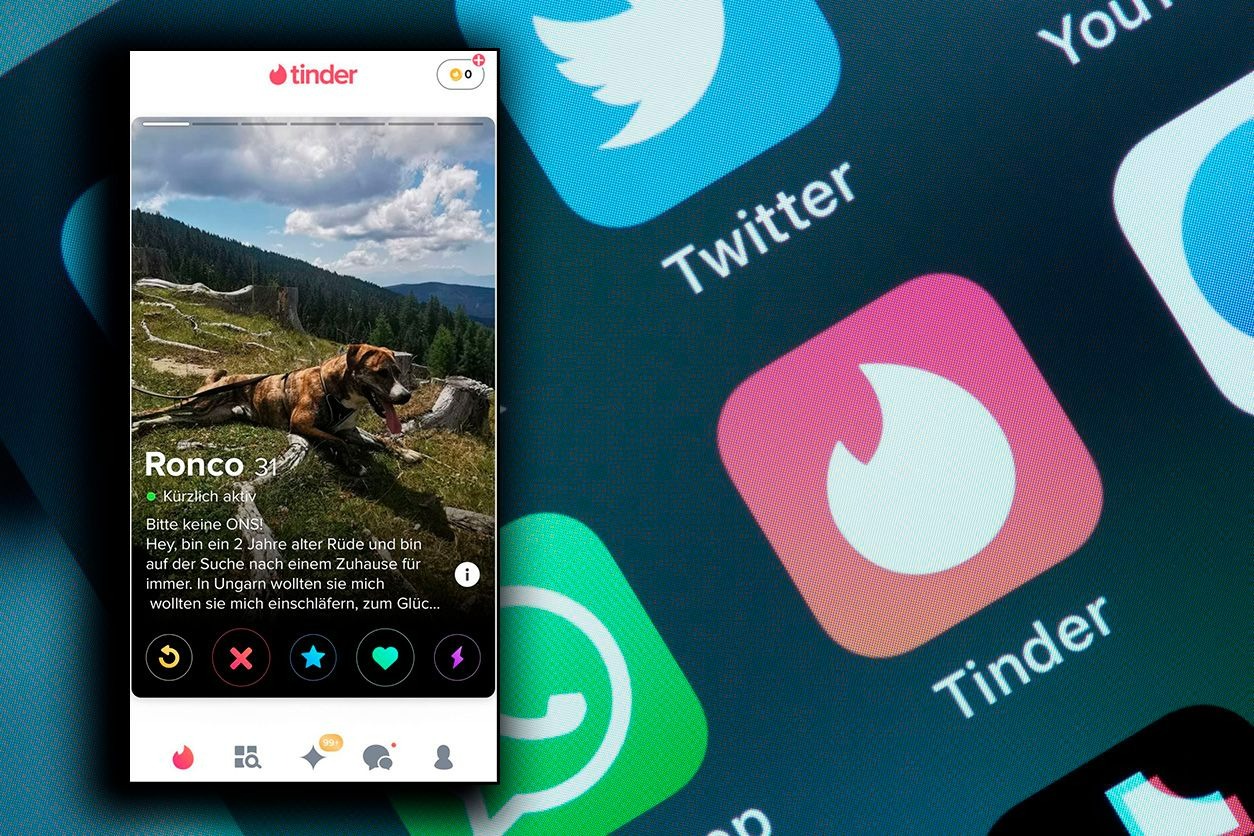
Dating app burnout hits when every profile looks identical—and new research proves your exhaustion is justified. Scientists analyzed 1,000 real Tinder profiles from Barcelona and discovered that users fall into just nine predictable visual patterns, with the half-length portrait facing camera dominating at 25% of all profiles.
The Copy-Paste Generation
Machine learning reveals dating apps reward conformity over creativity.
Using visual-variable coding and clustering algorithms, researchers at Spain’s Universitat Oberta de Catalunya identified the most popular profile strategies. Half-length portraits in neutral settings reign supreme, followed by the “candid” looking-away shot and face close-ups. Full-length portraits prove especially common among heterosexual women, while men gravitate toward nature scenes that supposedly signal outdoor activity and health. The sunglasses photo—that classic shield of mystery—ranked fifth in frequency.
Age Dictates Everything
Your birth year predicts whether you’re showing skin or hiding behind shades.
Age emerged as the strongest predictor of photo choices, with younger users embracing exposure while those over 50 favor concealment tactics like sunglasses or landscape shots without people. Gender patterns split predictably: heterosexual women smile more and show more body, men choose action-oriented nature shots. Lesbian women displayed less body exposure overall, while gay men favored more smiling, camera-facing approaches.
Tinder’s Dirty Reputation Gets Debunked
Only 10% of profiles feature substantial nudity despite the app’s hookup image.
The research shatters Tinder’s sex-focused stereotype—substantial nudity appeared in roughly 10% of profiles, far below public perception. This shift reflects Tinder’s evolution into a multi-purpose platform where explicit content risks account removal. Users have adapted to platform policies while maintaining the illusion of spontaneity through carefully curated “authentic” moments.
The Authenticity Trap
Social pressure creates identical profiles that defeat the purpose of standing out.
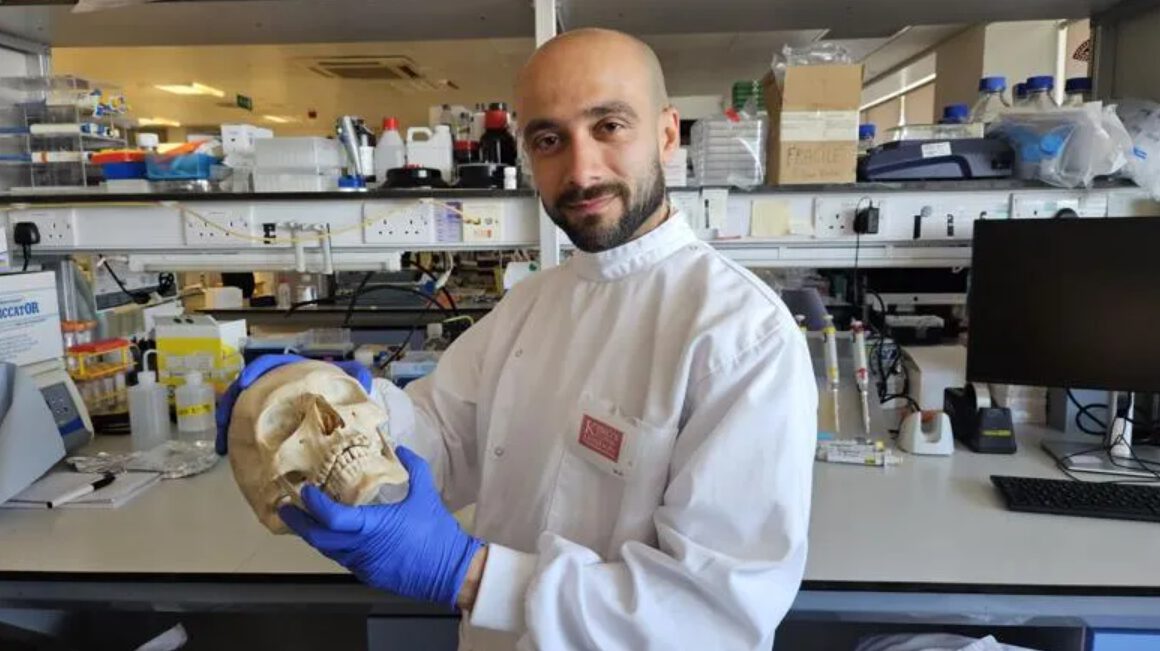
Lead researcher Alejandro García Alamán, a psychologist at UOC’s CIRCLE Lab, connected the findings to patient reports of dating app disappointment and boredom. “Profile should not define you,” García Alamán suggests, encouraging authentic photos to reduce user pressure. The patterns reveal how social desirability trumps genuine self-presentation, creating the very monotony users complain about.
The team’s next phase will analyze whether Tinder bios follow similarly predictable patterns. Until then, breaking free from visual conformity might be your best swipe strategy.