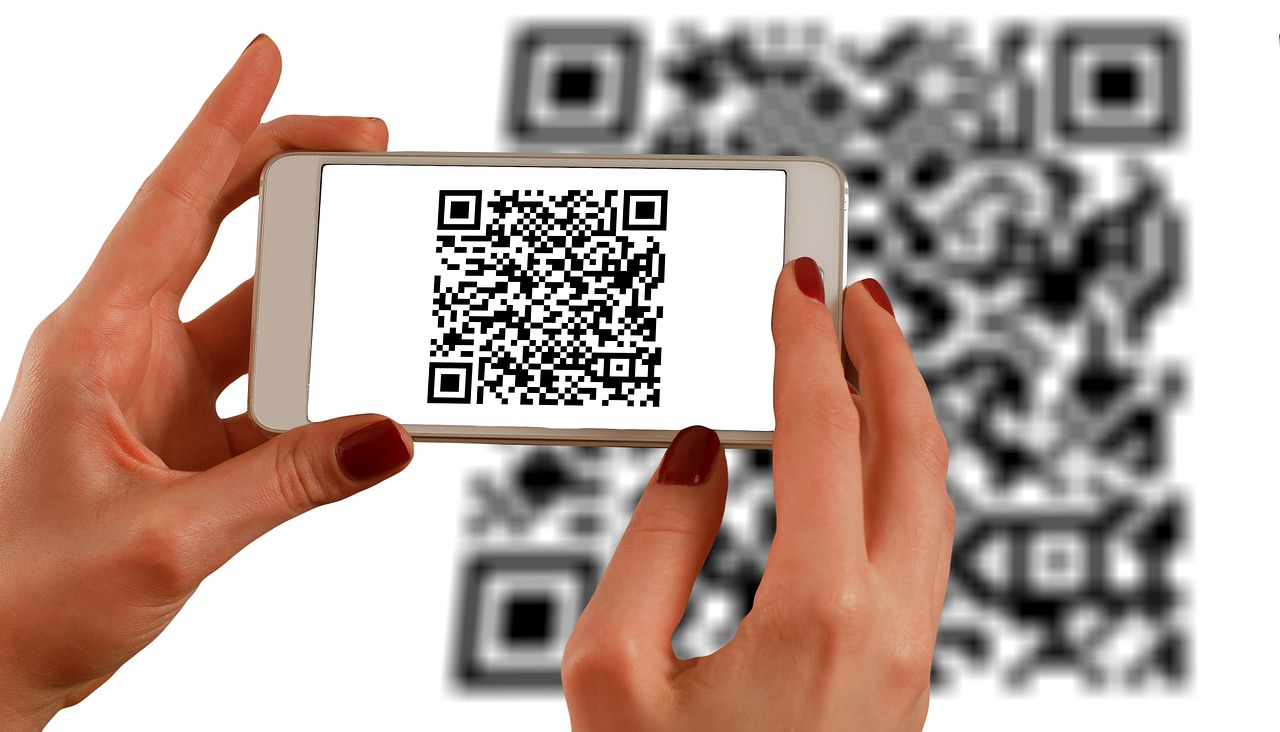
QR code phishing—or “quishing”—has exploded 400% since 2023, and men are walking straight into the crosshairs. While you’ve been scanning codes for restaurant menus and parking payments, cybercriminals have been studying your habits. They know exactly where you’re most vulnerable: when you’re rushed, distracted, or trusting routine contexts.
Unlike traditional email phishing that gets caught by filters, QR codes bypass every technical defense you’ve got, leaving your judgment as the only thing standing between safety and a stolen identity.
The Big Three: Where Most Men Get Hooked
Parking lots, dating apps, and restaurant tables create perfect storms of trust and urgency.
Parking violation notices top the list for good reason. You return to your car, find an official-looking ticket with a QR code promising quick payment, and scan without thinking. Scammers copy municipal logos perfectly, exploiting the fact that most cities genuinely are digitizing their systems. The time pressure (“Pay within 48 hours or face additional penalties”) triggers your action-first instinct.
Dating apps present a different vulnerability. After matching with an attractive profile, you receive a QR code for age verification or “private photo access.” The emotional investment makes you less suspicious—exactly what attackers count on.
Meanwhile, restaurant QR menus have become so normalized that you probably scan without looking. Criminals occasionally paste malicious stickers over legitimate codes, redirecting you to convincing payment processor lookalikes that steal your card data.
Four More Danger Zones
Social media, package notices, transit stops, and job ads round out the target list.
- Direct messages on Instagram or WhatsApp carrying urgent QR codes (“Your account is compromised”) exploit platform trust
- Fake package delivery notices hit your doorstep during peak shopping seasons, threatening returned packages unless you scan immediately
- Public transit stops host fake promotional codes mixed in with legitimate information boards
- Job recruitment flyers promising remote work or high pay ask candidates to scan for “quick applications”—but lead to credential harvesting instead
Your Defense Playbook
Simple verification habits eliminate most QR code risks without killing convenience.
Before scanning any QR code, examine it visually. Look for overlay stickers, misaligned placement, or codes that appear newer than surrounding materials. When in doubt, navigate to official websites manually instead of scanning. For unexpected codes from contacts, confirm via phone call whether they actually sent it.
Most importantly: legitimate organizations almost never ask you to pay fines, verify accounts, or access services through QR codes found on random paper. With 102.6 million Americans projected to scan QR codes in 2026, these habits aren’t paranoia—they’re digital survival skills in an age where criminals have 21 seconds to catch you off-guard.