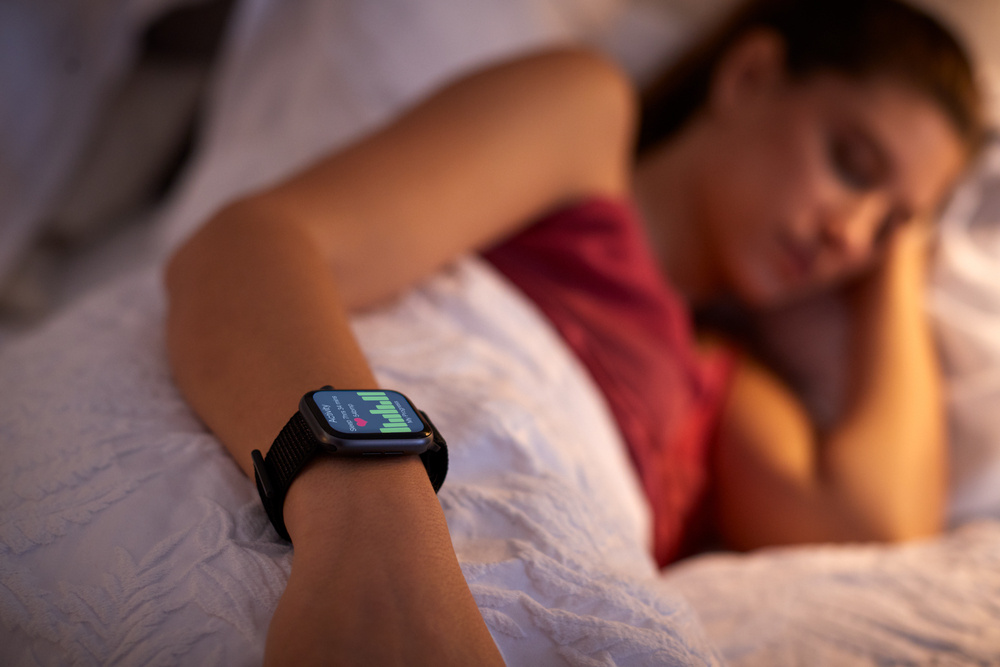
Checking your sleep tracker feels as routine as morning coffee. The glowing numbers promise optimization, better rest, scientific self-improvement. Yet for nearly one in five users, these devices deliver the opposite: more worry about sleep quality, not better shut-eye.
The Numbers Tell a Different Story
Research from the University of Bergen surveyed over 1,000 Norwegian adults and found a troubling disconnect. While 46% had used sleep apps or trackers, only 15% reported actual sleep improvement. Meanwhile, 18% felt more anxious about their rest patterns.
Young adults aged 18-35 showed the strongest negative reactions—23% experienced tracker-induced stress compared to just 2.4% of users over 66. The generational divide suggests younger users engage more obsessively with their data, turning natural sleep variations into sources of anxiety.
When Data Becomes Obsession
Meet orthosomnia: the clinical term for sleep tracker-induced anxiety. University of Oxford researchers proved this isn’t just correlation—they manipulated sleep watch scores in controlled studies.
Participants who received fake “poor sleep” feedback showed worse mood and cognition the next day, despite getting identical actual sleep as those with positive scores. The mind, it turns out, believes the numbers more than the body’s actual experience.
The Accuracy Problem
Consumer trackers achieve roughly 70-80% accuracy compared to medical-grade sleep studies, but they flag normal variations as problems. Your Fitbit doesn’t know that restless Tuesday followed a stressful work deadline—it just marks it red and tanks your weekly average.
Popular devices from Apple, Fitbit, and Oura Ring use movement and heart rate to estimate sleep stages, a method that struggles with insomnia patterns and individual differences. What gets labeled as “poor sleep” might just be Wednesday.
Who Gets Hurt Most
Insomnia sufferers—ironically the primary marketing target—experienced amplified negative effects in the Norwegian study. They’re already hypervigilant about sleep, and trackers feed that anxiety loop.
Younger users engage more intensely with their data, checking scores obsessively and catastrophizing normal fluctuations that older adults shrug off. The very demographics most drawn to optimization culture prove most vulnerable to its psychological downsides.
The solution isn’t ditching wearables entirely. Pattern awareness helps many users identify habits affecting their rest. But treating sleep scores like standardized test results transforms natural biological variation into performance anxiety. Your sleep doesn’t need optimization—it needs consistency and realistic expectations about what constitutes “good enough.”