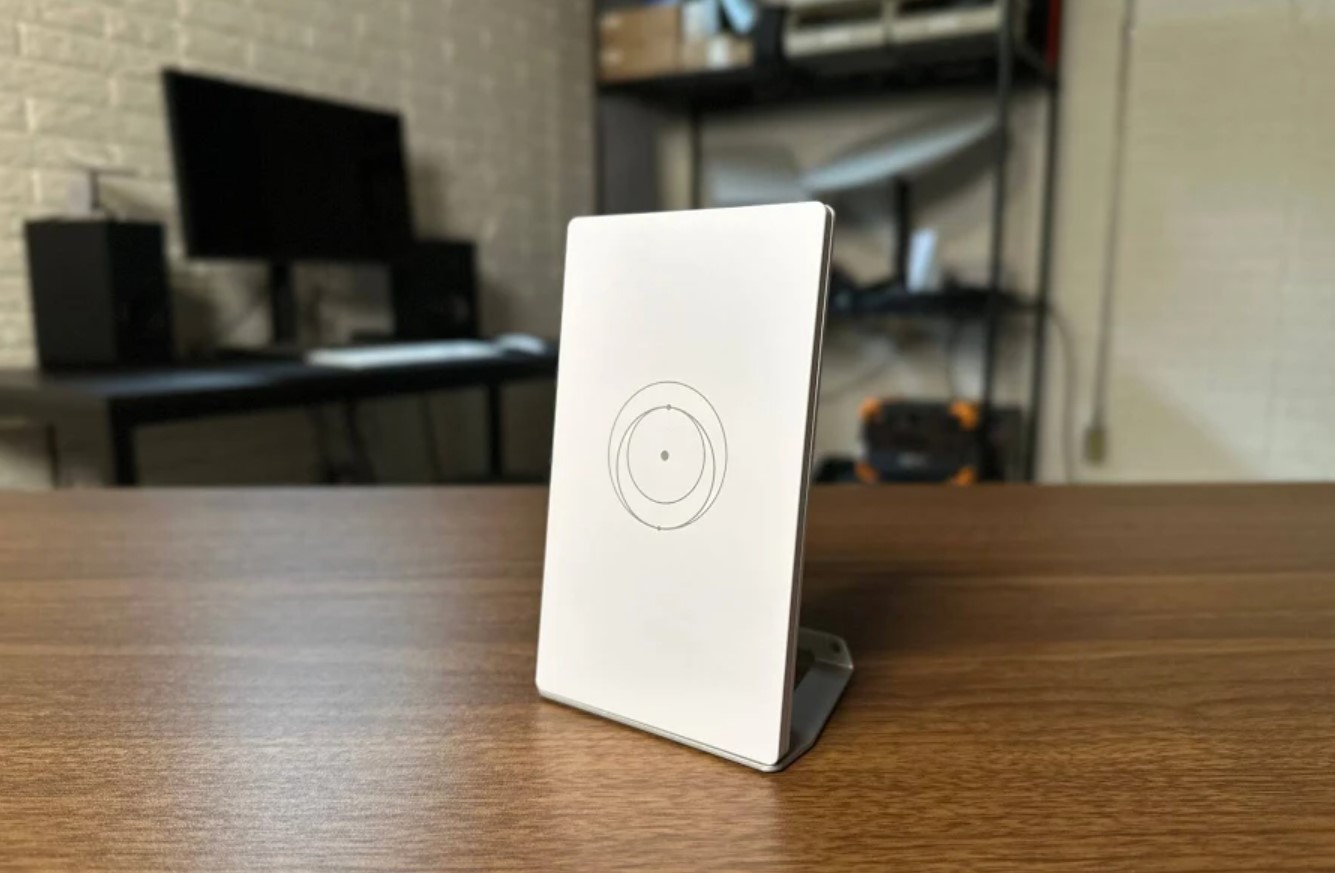
SpaceX builds some Starlink routers in Vietnam. That fact should have been a problem. The FCC banned approval of new foreign-made consumer Wi-Fi routers in March 2026, citing cyber-espionage risks and state-linked attacks on US networks — risks comparable to those flagged in cases like the surveillance app operations targeting political groups. Yet the Trump administration just granted Starlink a conditional exemption through the Department of Defense, good until February 1, 2028, according to Ars Technica. Vietnam production and all.
What the Ban Actually Blocks
The FCC’s “foreign-made” definition is broader than most router buyers realize — and it catches companies regardless of where their headquarters is located.
Here’s what happened in March: the FCC added all new consumer-grade Wi-Fi routers manufactured abroad to its Covered List, according to The Hacker News. The definition of “foreign-made” is broad — if any major phase of design, manufacturing, or assembly happens outside the US, the device is caught, regardless of where the company’s headquarters sits, per CNET’s summary of FCC guidance. Your current router is fine. Already-approved models stay on shelves. The ban only hits new, unapproved designs that haven’t yet cleared FCC authorization.
The key details worth knowing:
- Starlink’s exemption expires February 1, 2028
- Netgear, Amazon’s Eero, and Adtran all secured exemptions earlier
- Software updates for covered foreign devices are permitted until January 1, 2029
- TP-Link — Chinese-founded, now US-headquartered — still has no exemption
- Conditional approvals last roughly 18 months and require detailed onshoring plans
Engadget’s reporting puts the situation plainly: a 100% American-made consumer router essentially doesn’t exist, given globalized chip supply chains. These exemptions aren’t a bridge to domestic manufacturing — they’re becoming the permanent architecture of the market, a regulatory tollbooth that every router maker must pass through to stay relevant. For households worried about home security, the implications of foreign-made network hardware extend well beyond the policy debate.
The Velvet Rope Has a Guest List
US-headquartered companies with onshoring commitments are clearing the bar; everyone else is getting a very different answer.
The split is hard to miss. US-headquartered companies with credible onshoring commitments are moving through the conditional-approval process — a dynamic that echoes broader trends where Europe restricts Microsoft, Amazon, and Google from handling sensitive government data on security grounds. TP-Link, already under separate government security scrutiny, remains locked out. Chinese drone maker DJI has sued the FCC over analogous Covered List restrictions — a legal playbook that router vendors denied exemptions could eventually reach for as well.
Think of it as the velvet rope outside a club where the bouncer already knows who the owner invited.
The real pressure point arrives before February 2028. Starlink must either renew its exemption or shift enough production to its Texas facility to escape the “foreign-made” designation entirely. Exemptions are temporary, but factory investments — and the political commitments behind them — are not. What you’re watching isn’t a security policy producing safer routers; it’s industrial policy determining which companies get to keep selling them.