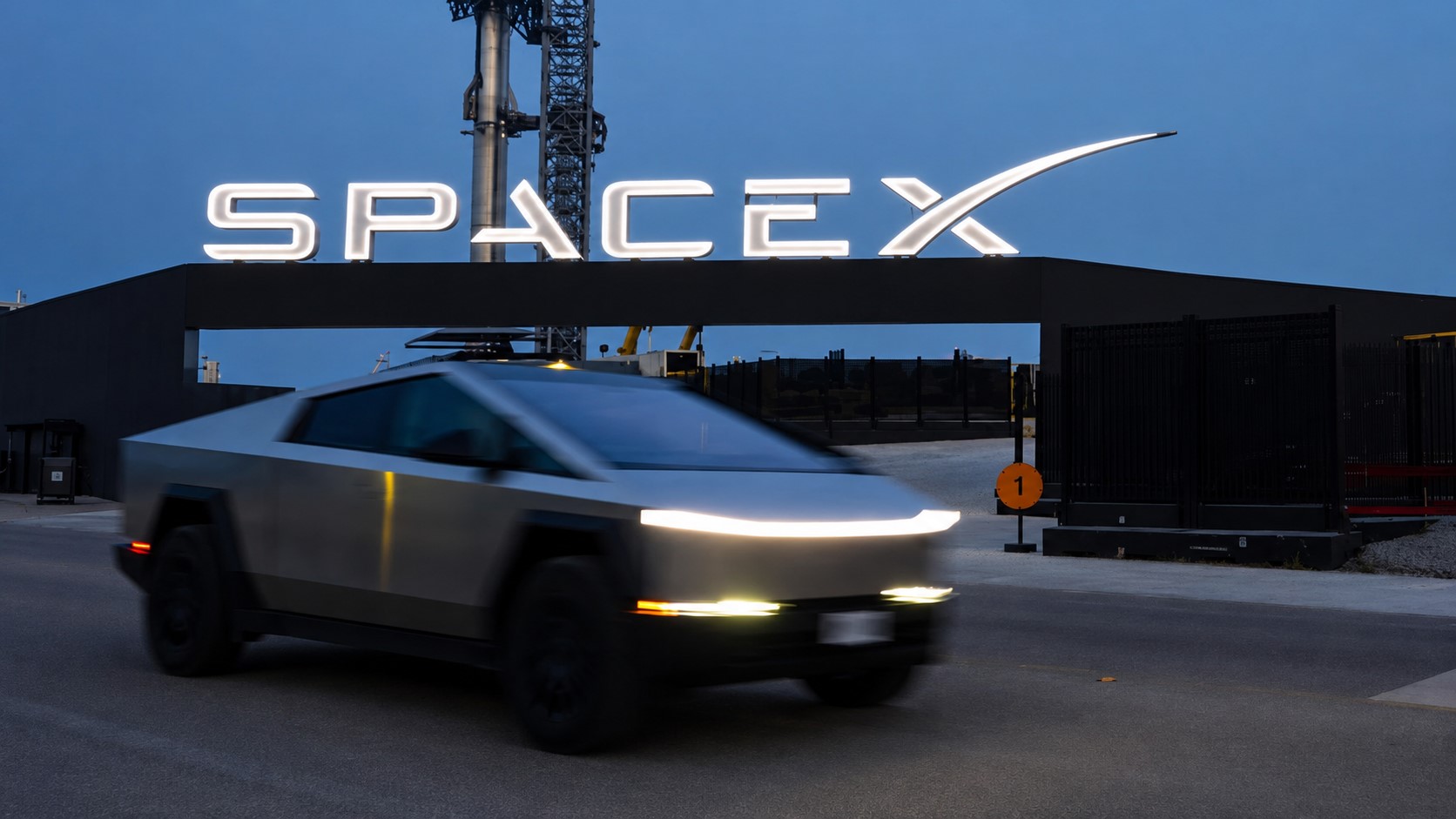
Over $1.2 trillion in market value — gone. That figure, wiped from SpaceX since its mid-June peak near $225.64, matches the entire market capitalization of Tesla. One Musk company’s losses now equal the full value of another Musk company. The symmetry is brutal.
Freefall at Scale
The speed of this selloff puts it in rare company among the worst corporate drawdowns in U.S. market history.
SpaceX has dropped in 13 of its last 16 trading sessions, closing Monday at $113.50 — nearly 50% below its record high. One particularly savage session delivered a 16% single-day crash to $154.60, vaporizing roughly $400 billion and marking the second-largest one-day loss for any U.S. corporation on record.
The culprit isn’t rocket failures or satellite malfunctions. Wall Street is punishing SpaceX for its aggressive AI infrastructure spending — the same capital expenditure anxiety dragging down the broader tech sector. Charles Moon of Prosper Trading Academy put it plainly: “As an investor it’s early — as a trader, Wall Street is now punishing the AI stocks for capex.”
The options market tells that story in neon. Monday saw roughly 106,000 calls versus 77,000 puts traded by contract count, but most of the approximately $442 million in total premium landed on the put side — signaling heavy downside hedging. The most popular single contract was a $330-strike call expiring that Friday, priced at ten cents with just a 0.33% chance of finishing in the money. That is not a high-conviction bet. That is a lottery ticket with worse odds than most scratch-offs.
The Lock-Up Clock Starts Ticking
Earnings next week will trigger a potential flood of insider supply that traders are already pricing into their downside hedges.
SpaceX’s first-ever earnings report as a public company is due next week — and more critically, it starts the clock on a lock-up provision allowing insiders to sell up to 911.5 million shares beginning August 6. Moon expects the unlock “won’t be as bad as everyone fears,” but concedes “it’s not going to help the cause either.”
The retail exposure here is significant. Vanda Research estimates investors poured $405 million net into SpaceX during its first five trading days — more than retail bought across all Magnificent Seven stocks combined that same week. Those buyers are now sitting on losses that keep compounding.
The “full Tesla” milestone is already in the rearview mirror. Whether a second one follows depends entirely on what the next two weeks reveal.