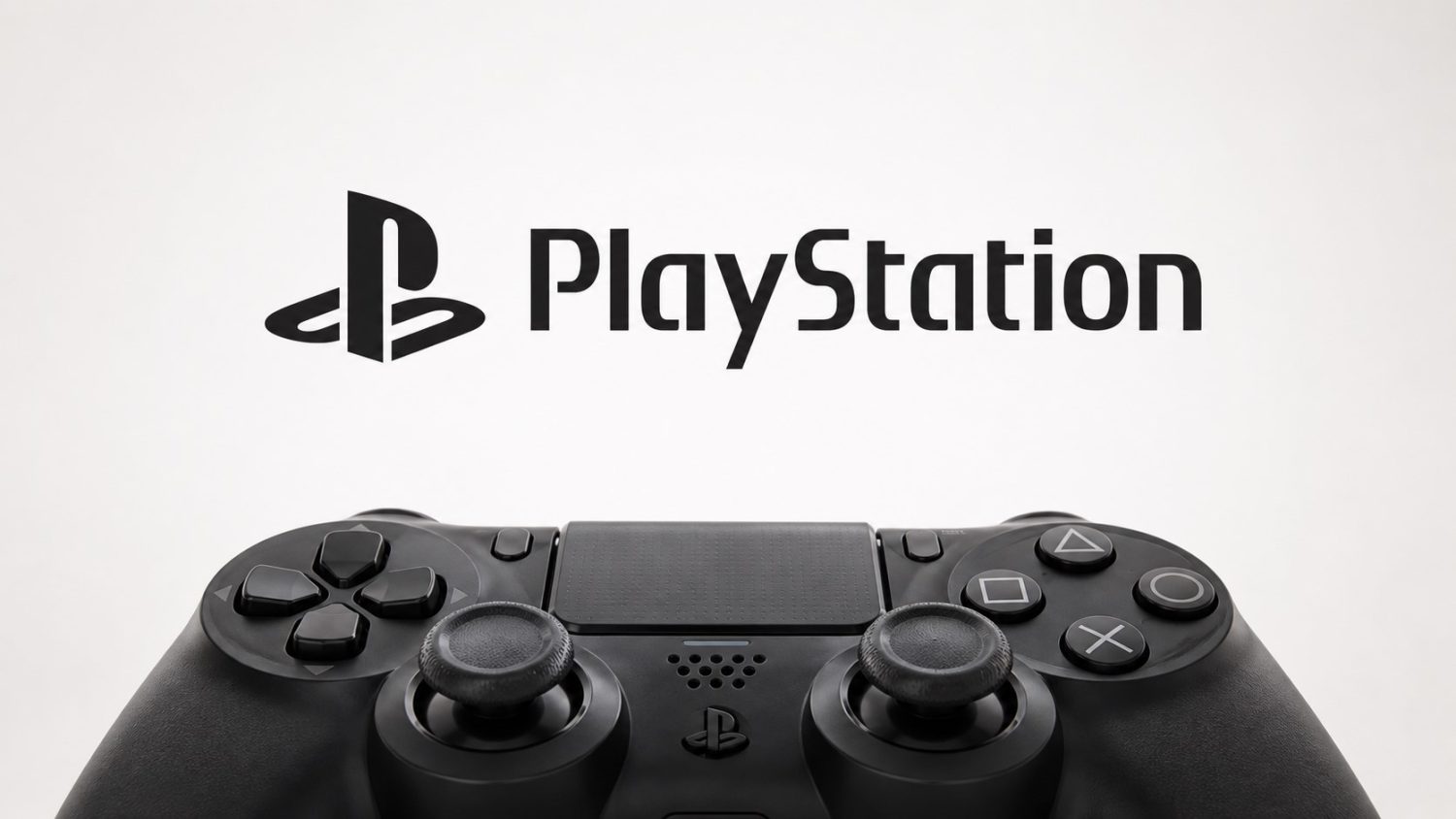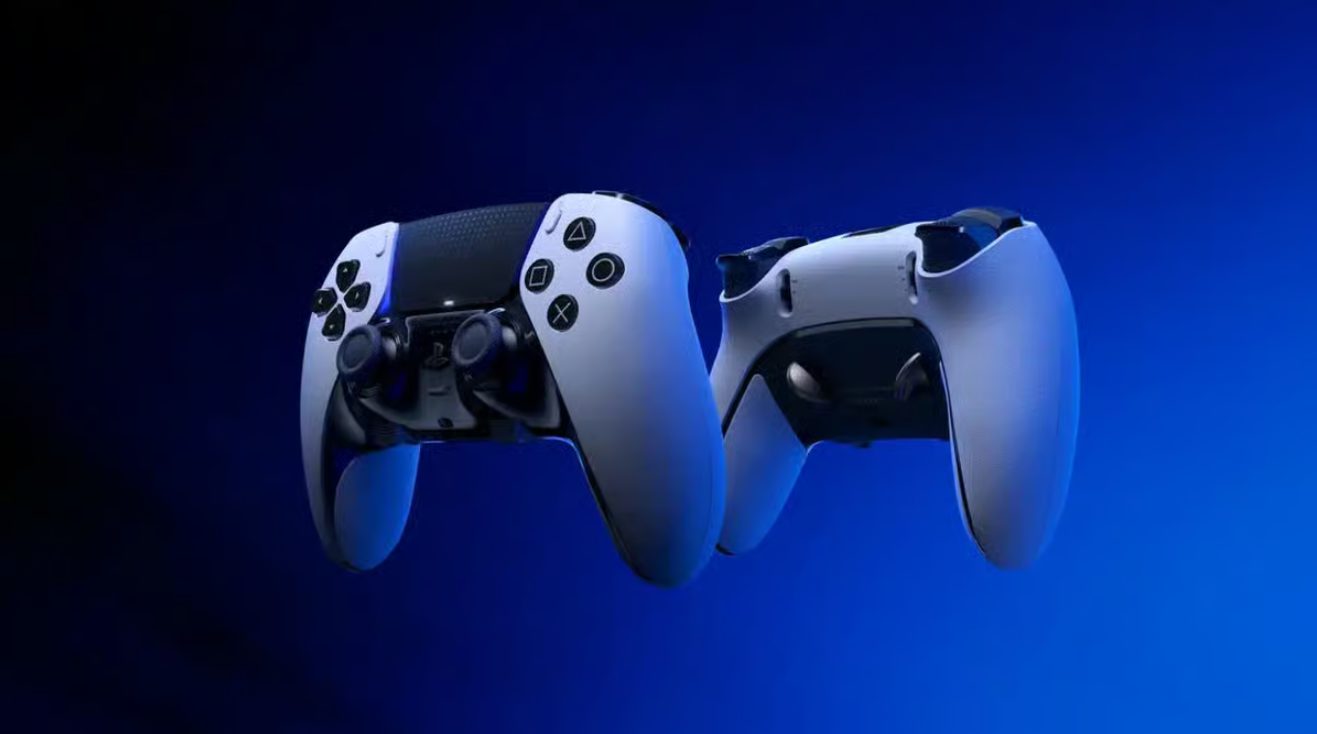
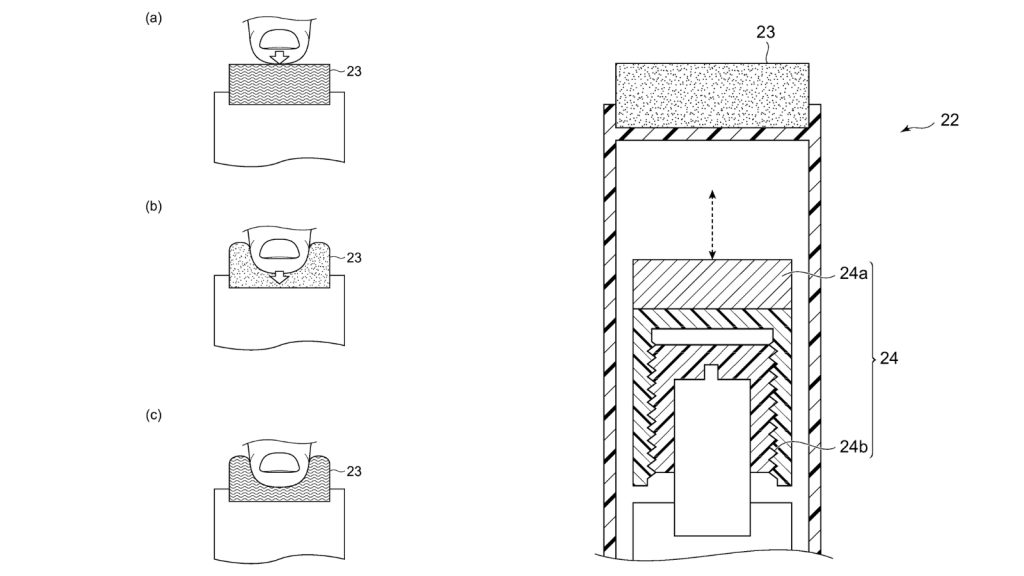
Your character gets grabbed by an enemy in a horror game — and the button beneath your thumb softens, lets your finger sink in, then hardens around it. You’re physically stuck until you wrench free. That’s the experience described in a Sony Interactive Entertainment patent filed with the World Intellectual Property Organization in late 2024 and published this year. Originally reported by Cheathappens, the technology centers on buttons made from magneto-viscoelastic elastomer, a material whose rigidity shifts when exposed to a magnetic field. Think of it as DualSense adaptive triggers, but applied to every surface your fingers touch.
Inside the controller, a “hardness control unit” takes real-time commands from the console and modulates that magnetic field on the fly. Scenarios include:
- Swamp traversal — buttons going mushy and resistant
- A jammed reload that forces a harder push against the mechanism itself
As MP1st summarizes, buttons could go “softer when moving through a swamp or climbing a mountain, and harder when a game wants to create a more challenging or realistic feeling.”
The finger-grab effect is the headline detail, but the accessibility angle deserves equal attention. The patent explicitly describes contact surfaces adapting to palms, elbows, and other body parts — not just fingertips. Variable hardness could offer softer, more forgiving inputs for users who need them. That’s where this stops being a parlor trick and starts carrying real stakes.
DualSense already does something adjacent with triggers — motors and gearing create resistance when you draw a bowstring or fire under load. This patent extends that logic to face buttons, sticks, and every contact surface. Sony has also recently patented a buttonless capacitive touch controller, squeezable designs, and sticks with fluid-based resistance, signaling a sustained, multi-year R&D push around what a controller can physically become — part of a broader arc of today’s tech that traces back decades of gadget innovation.
Don’t Pre-Order This Controller Yet
Patents are blueprints for possibilities, not product announcements — and Sony’s history includes plenty of experimental ideas that never left the lab.
None of this is confirmed for PS6 or any shipping product. Forum reactions on ResetEra and NeoGAF split predictably: some see logical DualSense evolution, others question whether whole-button haptics add lasting value beyond novelty. Real engineering challenges — durability under thousands of hardness cycles, pinch safety, material degradation — remain unsolved in any public sense (no materials testing data has been published by Sony or independent researchers).
Still, the online reaction to “a controller that grabs you” tells its own story. Like the first time Resident Evil 4 made you mash a button to survive a QTE, physical resistance from your hardware hits a nerve. Whether this ships or stays in a patent drawer, it maps where Sony thinks immersion is headed: not just pixels and sound, but plastic that pushes back. Readers who follow video games pushing boundaries know that hardware and software provocation often go hand in hand.