Miniature audio recorders strapped to gannets and shearwaters detected vessel encounters that never appeared in public tracking databases, raising questions about how much vessel activity goes unmonitored near seabird foraging zones.
Wings, Microphones, and a Gap in the Data
Three seabird species logged vessel encounters that official ship-tracking systems could not account for.
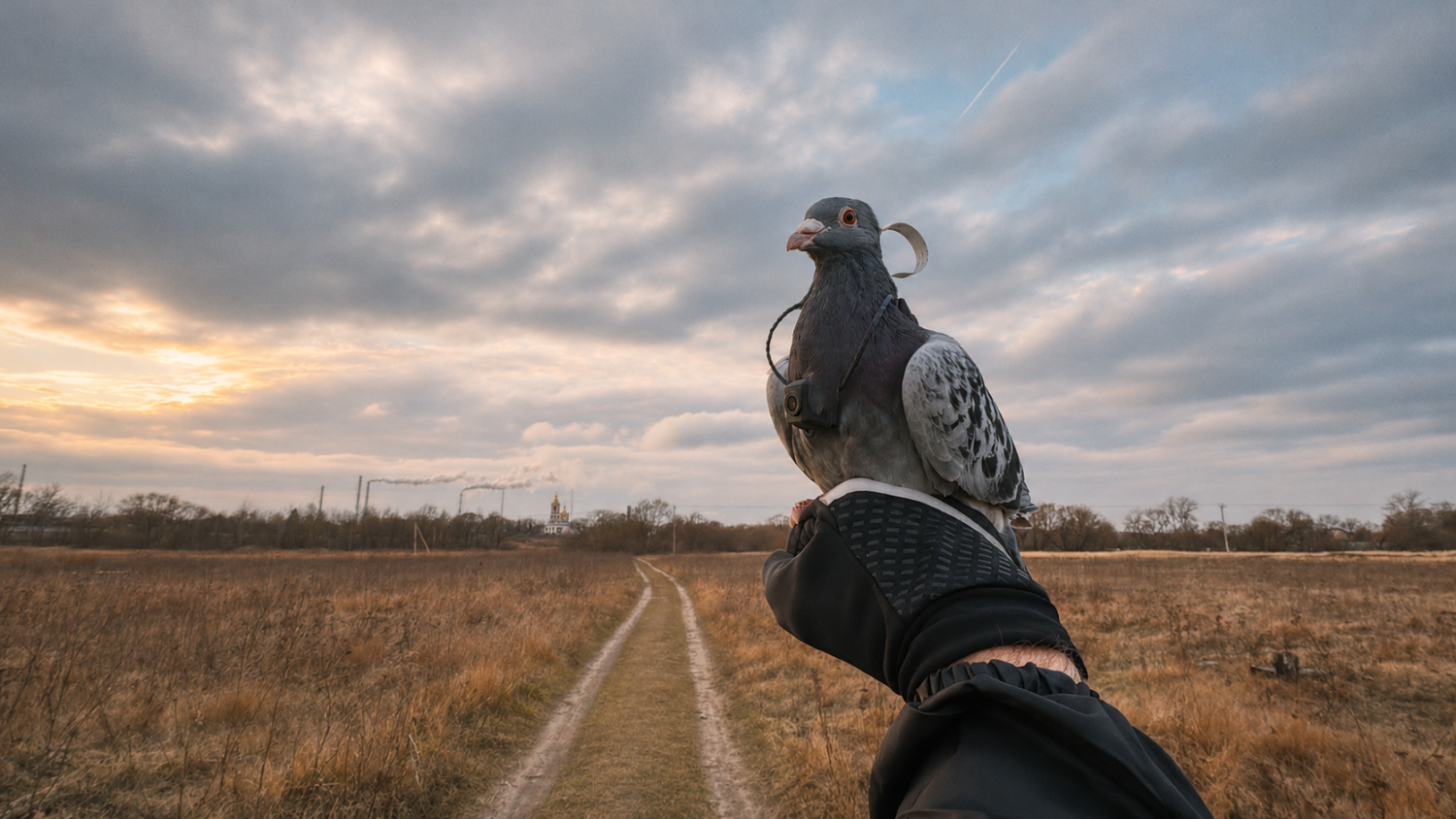
Jonathan Rutter and colleagues at the University of Oxford fitted northern gannets, Balearic shearwaters, and a Westland petrel with miniature audio recorders and GPS devices. The team cross-referenced what the birds heard and where they flew against Automatic Identification System (AIS) data, the publicly broadcast position feed that most commercial vessels are required to transmit.
AIS records can be absent for several reasons: poor satellite coverage, equipment malfunctions, legal exemptions for smaller vessels, or deliberate disabling.
What the Numbers Actually Say
At least 32% of gannet vessel audio detections had no matching AIS record; the researchers estimated the proportion could reach 57%.
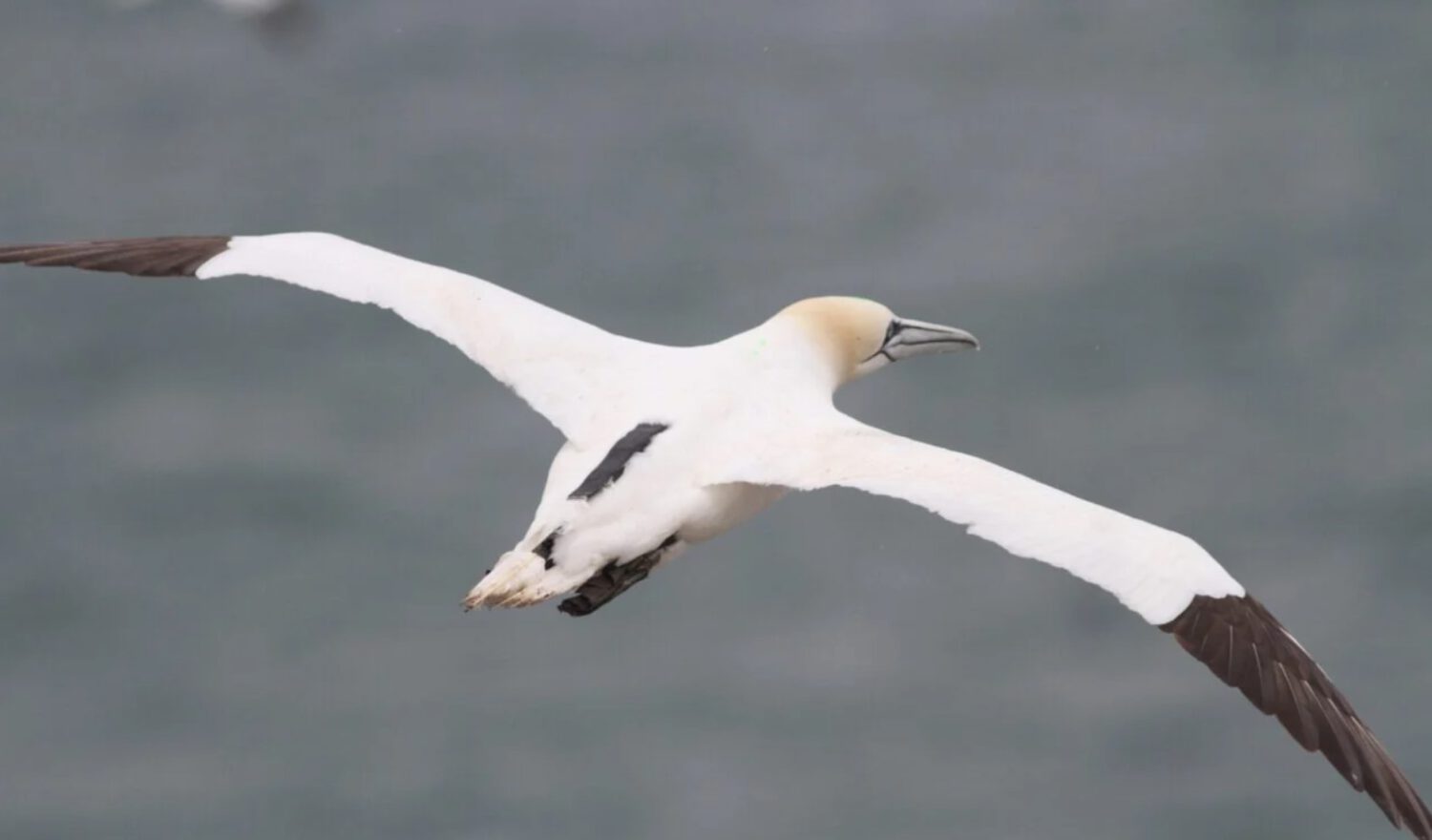
Seven northern gannets in the North Atlantic produced the most striking results. At least 32% of their vessel audio detections could not be matched to any AIS-tracked ship, and after accounting for detection limits, researchers estimated that proportion could reach 57%. Conservatively, vessels without matching AIS records accounted for roughly 22 minutes of a daily 68-minute vessel-interaction period for the gannets.
Four Balearic shearwaters in the Mediterranean showed a lower rate: at least 12% of detections unmatched, with an estimated proportion around 20%. Smaller Mediterranean fishing boats often carry no AIS requirement, which may partly explain the difference. The gannet result is more notable because those birds typically encounter larger commercial vessels that are generally expected to keep AIS active.
A Westland petrel in the South Pacific also interacted with vessels, but damage to its geolocation device prevented the researchers from calculating a comparable proportion.
Read the Fine Print Before Drawing Conclusions
The study’s lead researcher drew a careful line between detection rates and fleet-wide claims.
Rutter, speaking to 404 Media, clarified what the numbers do and do not mean: “This is not the same thing as saying that half of vessels are unseen; it’s half of the time that gannets go to vessels, those vessels are unseen.” He added that the gap carries significance regardless of cause: “Unseen vessel activity is concerning, or at least important, regardless of whether it’s legal or illegal.” The study did not identify individual vessels or establish any illegal conduct.
The Conservation Stakes
When AIS-based research misses a substantial share of seabird-vessel encounters, bycatch risk assessments may be systematically understated.
Seabirds approach fishing vessels to feed on discarded catch, and each encounter also creates a bycatch risk. Birds can become entangled in fishing gear or snagged on baited hooks. Because unmatched vessel encounters represent real interactions that AIS-only analyses cannot capture, risk assessments built on those analyses may undercount the true exposure.
The study, published in Science Advances under the title “Unseen but not unheard: Animal-borne audio recorders reveal missing interactions between seabirds and untracked vessels,” suggests that acoustic detections from birds could sharpen future risk assessments. The authors also propose it could help identify areas where conservation measures are most needed.
A Tool With Ethical Limits
The researchers cautioned against treating wildlife as a covert fisheries surveillance system.
Rutter and colleagues were explicit on this point. Repurposing seabirds as monitoring instruments risks eroding trust between scientists, fishing communities, and conservation groups; the study frames the technique as a research tool rather than a law-enforcement mechanism.
The broader implication stands on its own. Animals navigating the ocean are now recording human activity that does not appear in AIS records. Their repeated vessel visits also suggest that fishing operations have become a regular, if hazardous, feature of seabird foraging life.