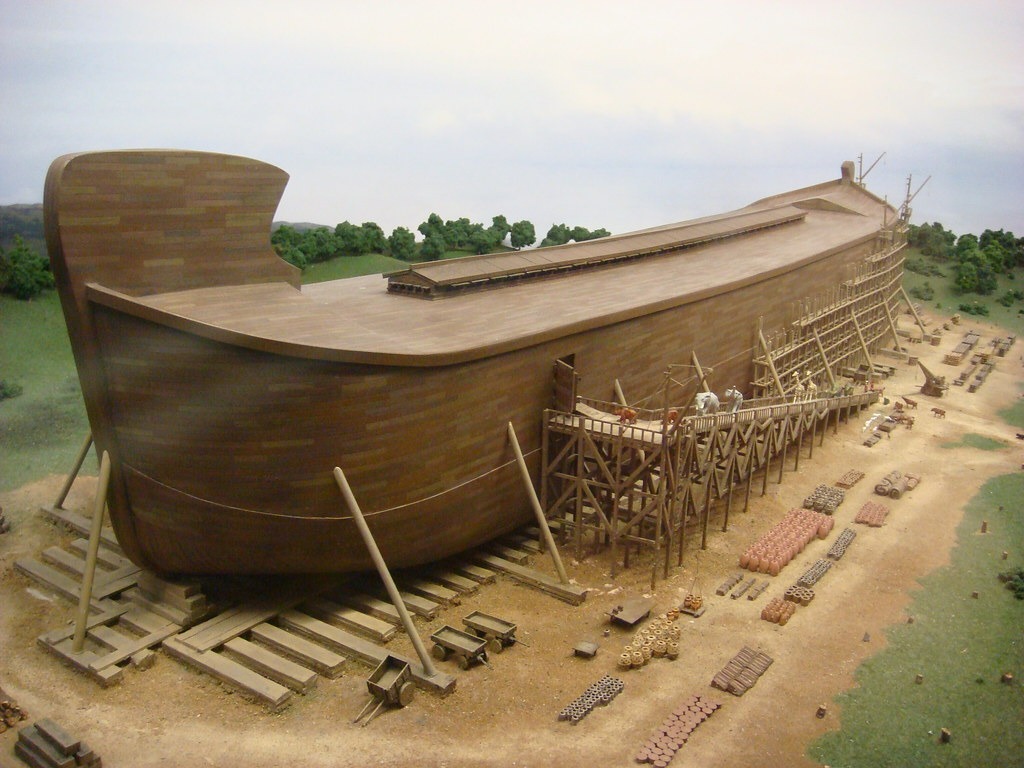
Ground-penetrating radar has detected what researchers describe as artificial internal structures at Turkey’s Durupınar Formation—the boat-shaped geological feature that’s sparked decades of Noah’s Ark speculation. The findings include a 13-foot central corridor, layered interiors suggesting three decks, and internal voids reaching six meters deep, matching biblical dimensions with unsettling precision.
High-Tech Archaeology Meets Ancient Claims
Modern scanning technology reveals unexpected subsurface features at the controversial Turkish site.
You know that feeling when your phone’s ultrasound app reveals something unexpected behind a wall? That’s essentially what happened here, but with military-grade ground-penetrating radar. Noah’s Ark Scans, working with Turkish universities, found sharp-angled walls and systematic internal chambers where geologists expected solid rock formation.
The technology works like underground X-ray vision, bouncing electromagnetic waves off buried structures to create detailed subsurface maps. These aren’t the fuzzy blobs you’d expect from natural geological processes—the radar detected angular structures and organized patterns that suggest human construction.
Soil Chemistry Tells a Different Story
Laboratory analysis reveals elevated organic matter and chemical signatures consistent with decomposed wood.
Soil samples from 22 locations show something intriguing: potassium levels and organic matter double that of surrounding areas, plus pH changes throughout the formation’s interior. “If this was a wooden vessel, we would expect increased potassium levels and higher organic content—and that’s exactly what we find,” explains soil scientist William Crabtree.
Even the grass above appears discolored, suggesting whatever’s below continues affecting surface conditions thousands of years later. The chemical signature extends throughout the boat-shaped formation, creating a subsurface fingerprint that matches what decomposed timber would leave behind.
Ancient Pottery Adds Timeline Evidence
Recent ceramic discoveries align with traditional Noah flood chronology estimates.
Construction crews recently uncovered pottery fragments dating 5,000-7,000 years old near the site—perfectly matching the Chalcolithic period when biblical chronologists place the flood narrative. Dr. Faruk Kaya from Agri Ibrahim Cecen University calls this evidence of early human activity in an area that should have been uninhabited if purely geological.
The timing couldn’t be more precise for believers: these artifacts place human civilization at the exact location during the window when ancient texts describe the great flood.
Skeptics Point to Natural Explanations
Geologists maintain the formation results from ordinary mudflow and erosion processes.
Not everyone’s convinced by the digital treasure hunt. Geologists like Lorence Collins classify Durupınar as natural limonite formation created by mudflow and erosion. Early 1960s excavations found only soil and rocks, while critics note the site sits in a valley—contradicting Genesis 8:4’s description of the ark landing on “mountains of Ararat.”
The debate continues as Turkish authorities plan core drilling that could definitively settle whether faith and science converge at this windswept Turkish hillside.