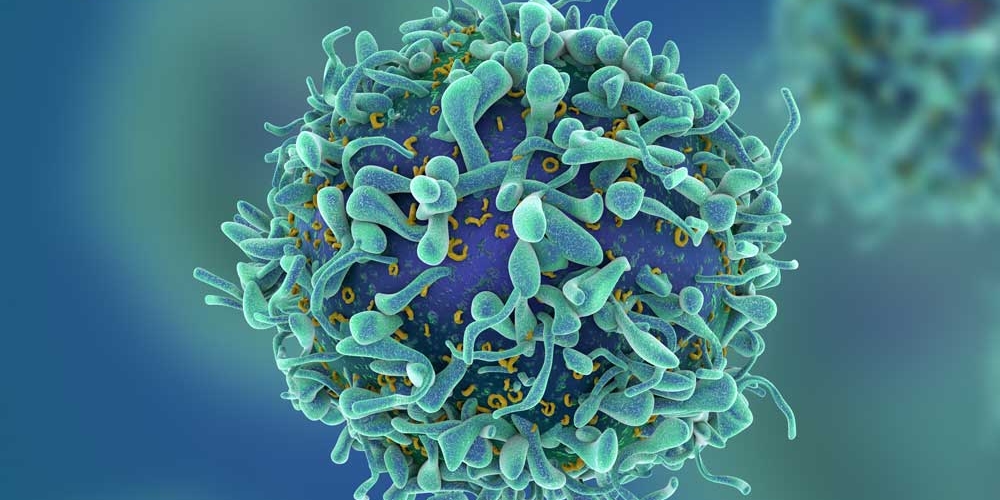
Chemotherapy and radiation struggle to penetrate the oxygen-starved cores of solid tumors, leaving cancer cells in these dead zones essentially untouchable. University of Waterloo researchers have engineered a solution that sounds like science fiction: bacteria programmed to colonize and destroy tumors from within.
The Bacterial Solution to an Old Problem
Genetically modified Clostridium sporogenes thrives where traditional treatments fail.
The team’s approach exploits a fundamental weakness in solid cancers. As tumors grow rapidly, their centers become oxygen-depleted dead zones—perfect environments for anaerobic bacteria like Clostridium sporogenes. “Bacteria spores enter the tumor, finding an environment where there are lots of nutrients and no oxygen,” explains Marc Aucoin, the study’s lead researcher. “We are now colonizing that central space, and the bacterium is essentially ridding the body of the tumor.”
But previous attempts hit a critical limitation: these bacteria died when they reached tumor edges, where oxygen levels increased slightly. Your cancer treatment became incomplete, leaving dangerous cells behind.
Engineering Survival with Smart Safety Controls
New genetic modifications allow bacteria to survive at tumor borders while preventing dangerous activation.
The breakthrough came through adding an oxygen-tolerance gene from a related bacterium, letting Clostridium sporogenes survive longer as it moves toward tumor peripheries. Yet this created a terrifying possibility—bacteria that could survive in oxygen-rich environments like your bloodstream.
The team’s ingenious solution: quorum sensing. This natural bacterial communication system acts like a molecular headcount, activating the oxygen-tolerance gene only after large populations establish themselves safely inside tumors. Think of it as a biological safety lock that prevents premature activation in healthy tissue.
Testing confirmed their control system works—bacteria engineered with fluorescent markers showed gene activation occurred only at proper population thresholds within tumor tissue.
Building on Decades of Research
Modern genetic tools finally unlocked bacterial therapy’s potential from 1960s clinical trials.
This isn’t entirely new territory. Clinical trials using Clostridium bacteria began in the 1960s and 1970s, where patients generally tolerated intravenous bacterial injections well. Tumors frequently liquified, proving the concept worked—but destruction remained elusive due to the oxygen-limitation problem the Waterloo team just solved.
Their next step involves combining both innovations—oxygen tolerance and quorum-sensing controls—into a single engineered organism for pre-clinical testing. If successful, this approach could offer hope for patients with chemotherapy-resistant solid tumors, particularly colorectal and brain cancers, where traditional treatments show limited efficacy.
The research transforms bacteria from infection agents into precision therapeutic allies, potentially revolutionizing how medicine approaches cancer’s most stubborn strongholds.