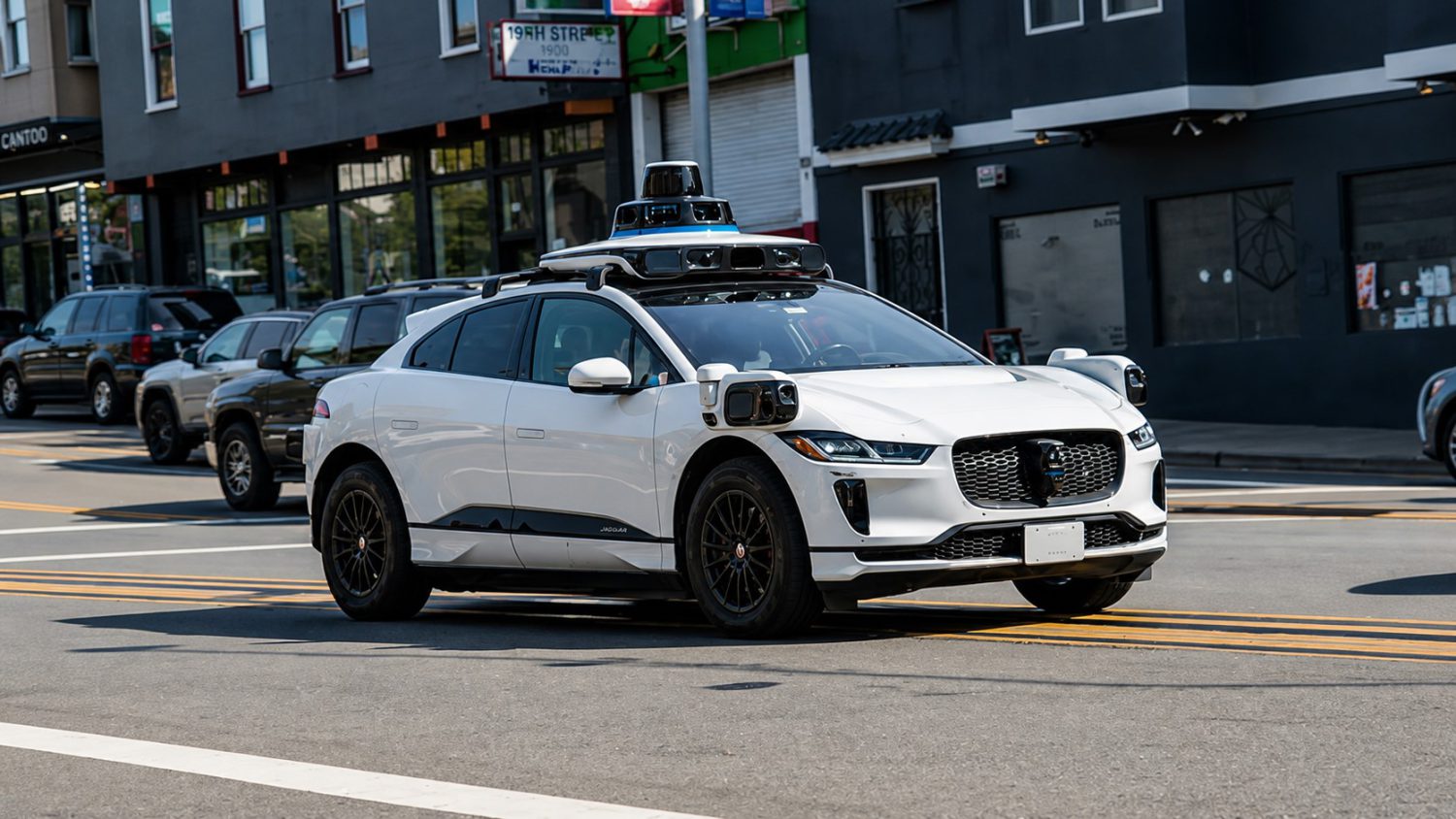
A Zoox test vehicle rolls through San Francisco at 45 mph. No crash. No close call. Then the autonomous system detects something — real debris, phantom debris, it’s impossible to know — and triggers a “nogo”: a full system shutdown that slams the brakes instantly. A contractor’s shoulder pays the price for weeks.
This is the hidden tax of the robotaxi boom. Not crashes. Whiplash.
The Safety Story Nobody’s Telling
OSHA records reveal a pattern of non-collision injuries that the industry’s safety narrative largely ignores.
OSHA injury records analyzed by TechCrunch show more than two dozen injuries to test drivers and in-vehicle workers at Waymo and Zoox between 2024 and 2025 — almost all caused by hard braking or abrupt automated maneuvers, not collisions.
Here’s what the records show:
- Transdev, which manages Waymo’s test drivers, reported 16 injuries across San Francisco, Los Angeles, and Phoenix linked to the autonomous software braking hard or swerving suddenly.
- Waymo’s reported incidents jumped from five in 2024 to eleven in 2025. One Phoenix case involved “exaggerated” braking with no obstruction — result: 157 days off work.
- Zoox logged up to eight injuries tied to “brake jabs” (abrupt hard braking) and “nogos” (system shutdowns that trigger immediate full stops). Workers report these occurring multiple times per shift.
- A January 2025 Zoox incident in San Francisco left a contractor with shoulder and upper-arm injuries after an abrupt stop, putting them on restricted duty for 16 days.
- NHTSA opened an investigation into Zoox’s braking behavior near cyclists, leading to a recall covering 258 vehicles. The agency closed the probe in April 2025 after a software fix resolved the issue.
Waymo told TechCrunch that safety “is of paramount importance” — then declined to answer specific questions about the OSHA reports. Zoox called the injuries “a small fraction of millions of test miles” and similarly declined to address individual incidents on the record. Neither company engaged with the specific OSHA filings.
The Blind Spot Keeps Growing
Regulatory reporting lags and coverage gaps mean the true injury count may be significantly higher than what’s publicly visible.
These test drivers are absorbing the physical cost of software that’s still learning how hard to brake — functioning, in effect, as human crash-test dummies for someone else’s algorithm. Meanwhile, Waymo’s fleet grew from roughly 1,500 vehicles in May 2025 to more than 3,500 by mid-2026, and the injury counts tracked that scaling upward.
The regulatory picture compounds the concern. OSHA’s public reporting only covers certain higher-hazard industries with 100-plus employees, meaning smaller or differently classified AV operations may never surface in public data. Injuries from 2026 won’t appear in OSHA’s system until 2027. The fleet keeps expanding into new cities. The gap between what’s happening and what’s reported grows alongside it.