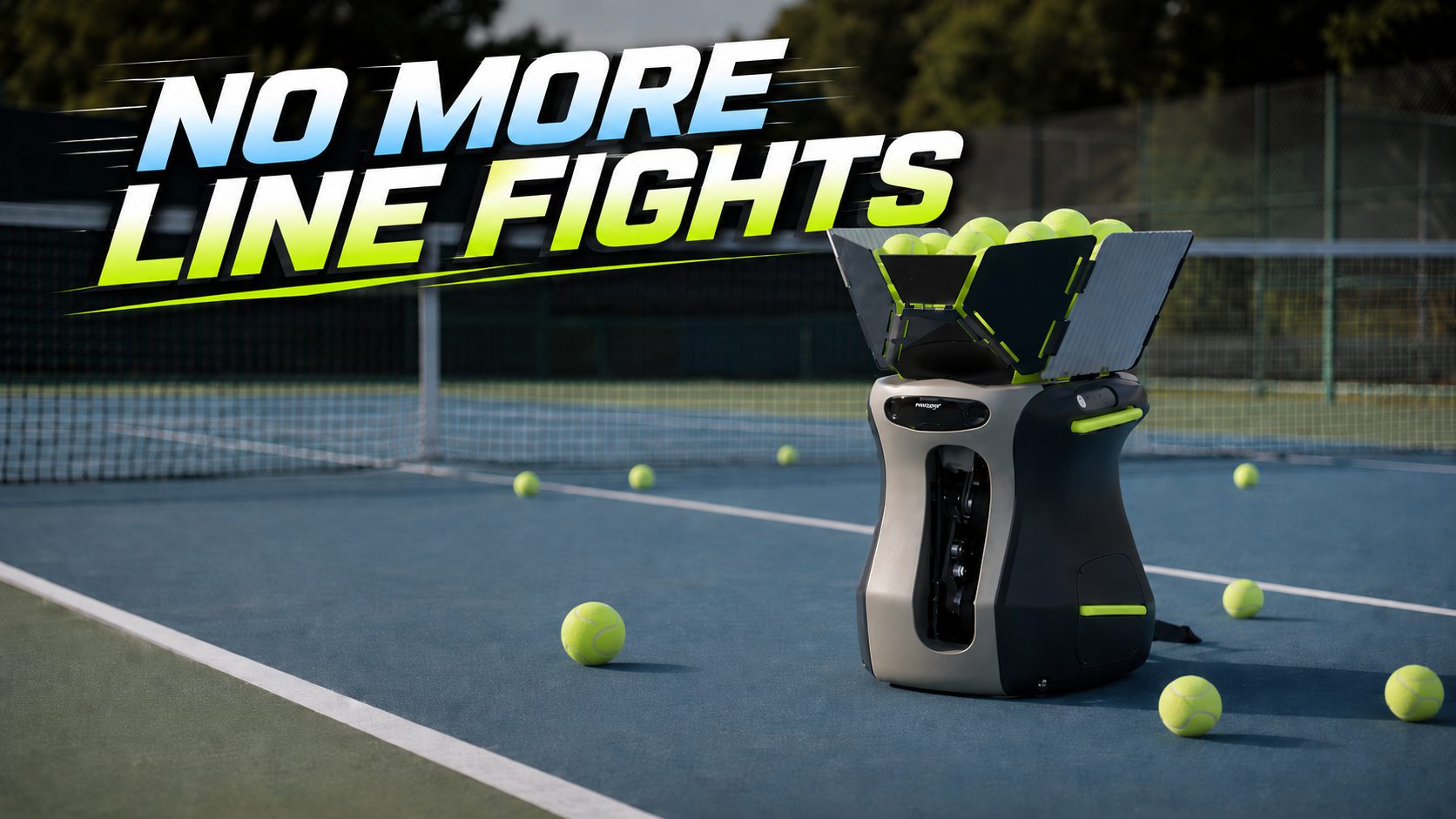
The ball was out. Your opponent says it was in. You’ve been playing club tennis together for three years, and now a three-inch patch of clay is about to end a friendship.
PONGBOT, the company behind the most-funded tennis ball machine in Kickstarter history, just built the fix into their new machine. The Aura is a next-generation AI training robot for tennis, pickleball, and padel. And the coolest part isn’t the multi-sport capability or the AI coaching. It’s a modular camera system called the Spotter that pops off the top of the machine and turns into a fully automated referee.
It Pops Out. Points at the Court. Calls the Lines.
The Spotter sits on top of the Aura during training, and when you want to play a match against a friend, you pull it out and set it courtside in seconds. That’s the whole setup process.
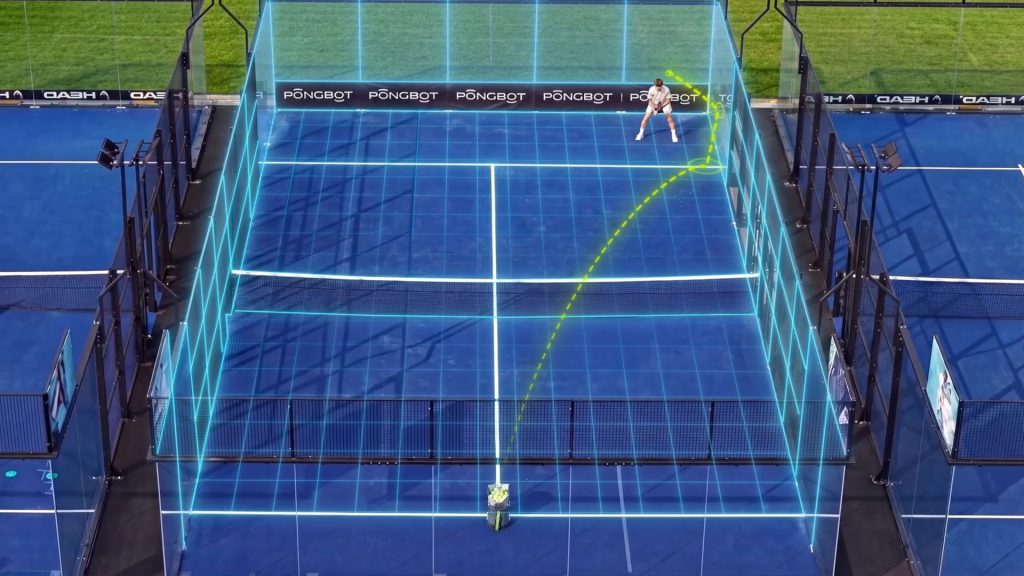
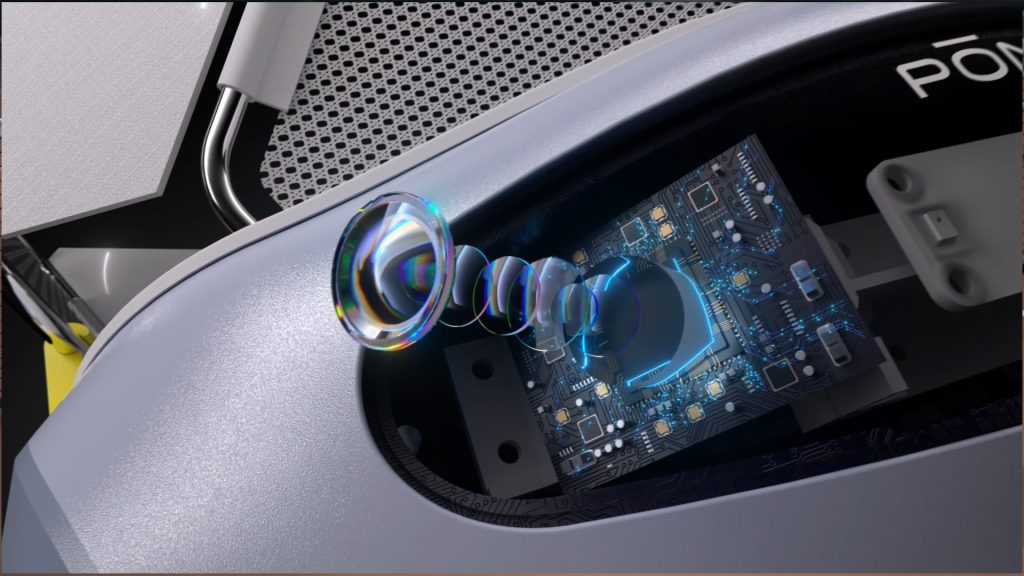
From there, the Spotter takes over. Its dual-camera system shoots at 120 frames per second with a 180-degree wide-angle lens that covers the entire court. It tracks every ball in real time, logs where each shot lands, and calls the lines. Close calls get hawk-eye replay. The challenge system lets either player contest a call. The score updates automatically throughout the match.
No chair umpire. No line judges. No arguments.
What You Get After the Match
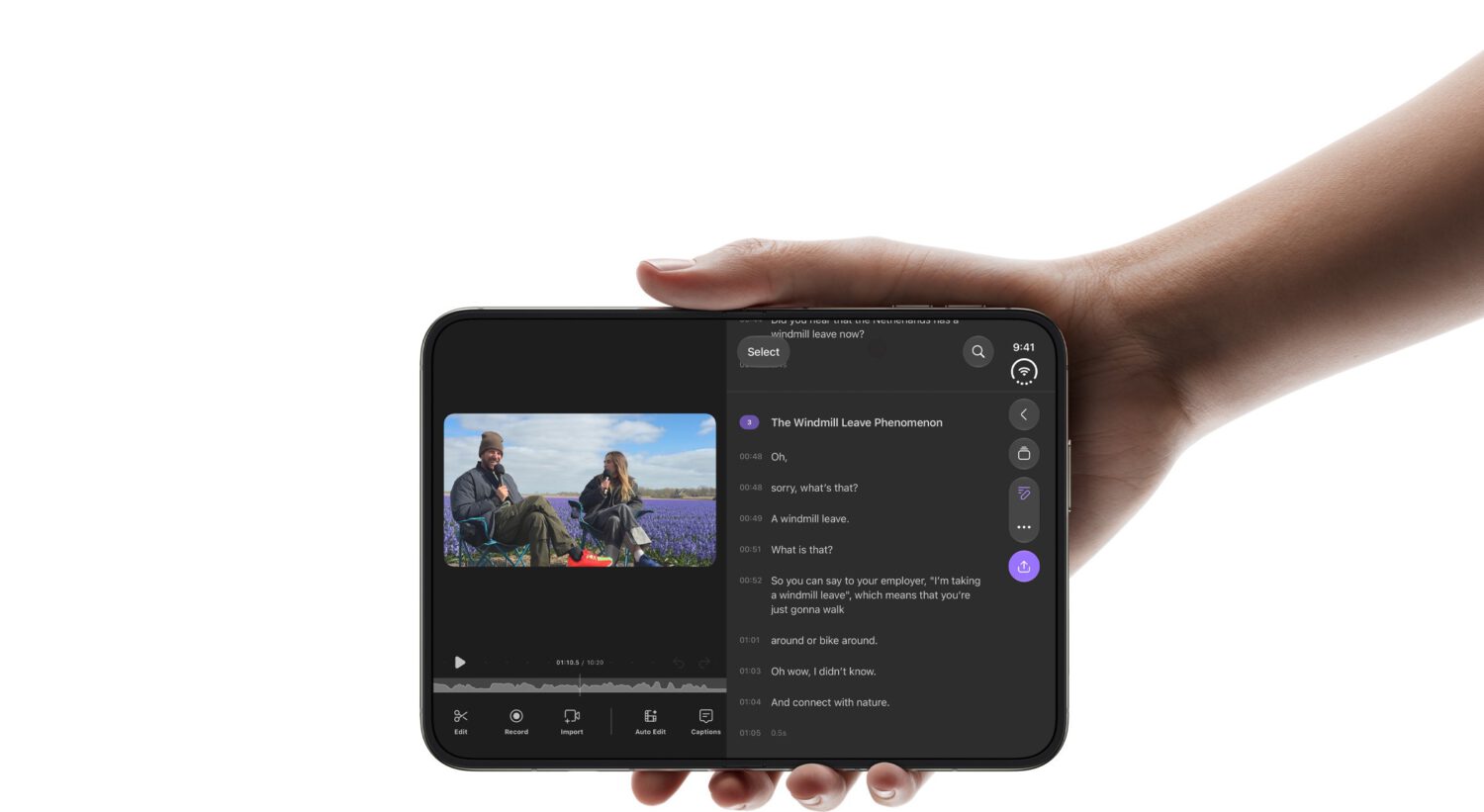
The Spotter doesn’t stop working when the last point ends. After the match, it generates a full performance breakdown for both players, including aces, winners, and unforced errors, shot distribution mapped across the court, rally tracking with point-by-point breakdowns, and a highlight reel it edits automatically from the 120fps footage.
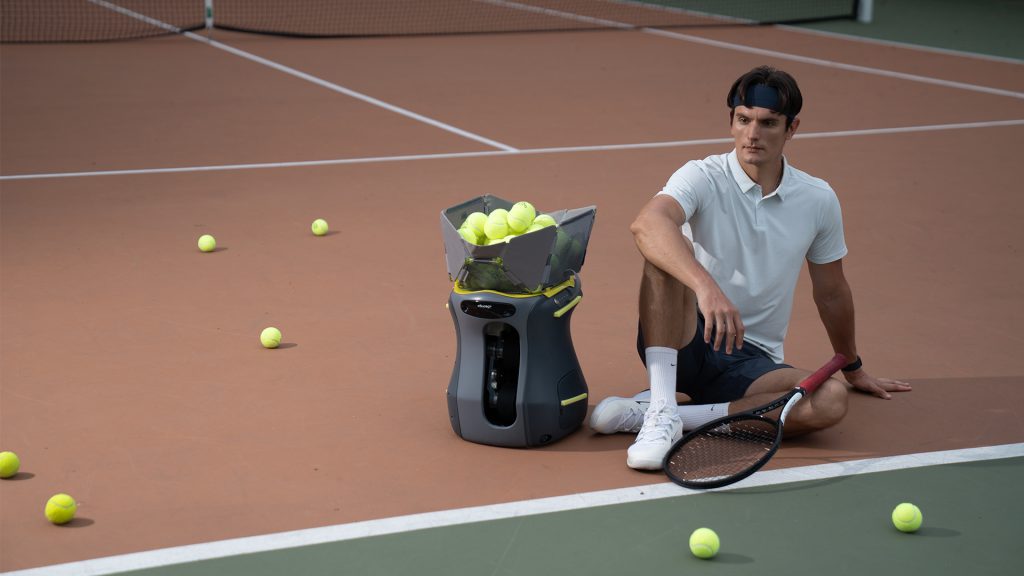
If you want to review only the points you lost, you can filter for that. If you want to live stream the match while it’s happening, that’s one tap. The content it produces is ready to share directly from the app.
For club players who have never had access to this kind of data outside of a coached session, the post-match report alone changes how you think about your game. Most players have no idea where their unforced errors actually cluster on the court until they see it mapped out. The Spotter shows you exactly where your game breaks down under match pressure.
What the Data Actually Tells You
The shot distribution map is the part that tends to surprise players most. You might think your backhand cross-court is a reliable shot. The Spotter’s landing zone data might show it drifts long under pressure, or that you’re hitting it six inches shorter than you think, and opponents are teeing off on it. That gap between perceived and actual shot quality is where most recreational improvement gets stuck. You can’t fix a pattern you can’t see.
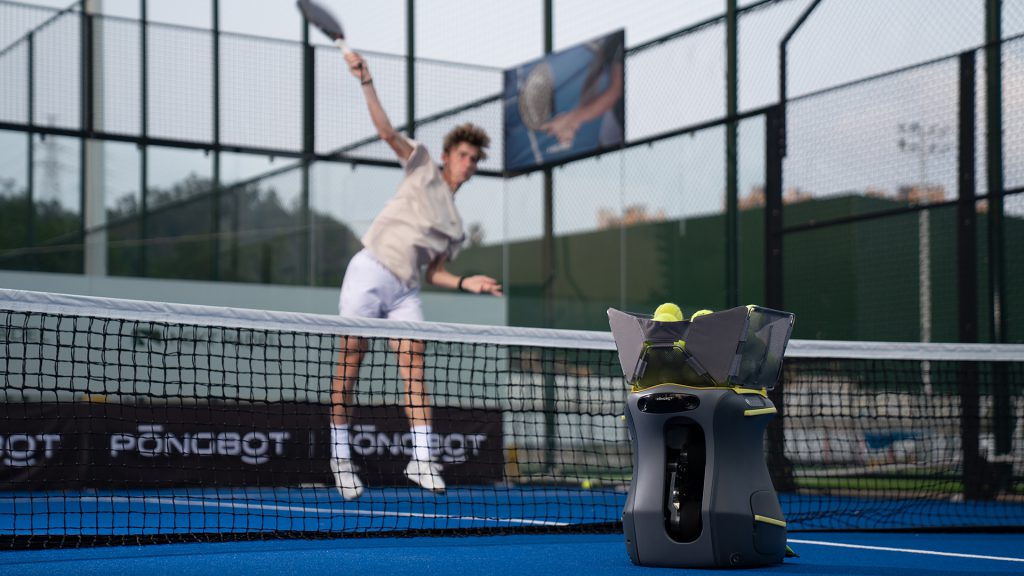
The rally tracking goes a layer deeper. It breaks down how points unfold, how many shots the average rally in your matches lasts, where in the rally you tend to lose the point, whether you’re winning short points and losing long ones, or the reverse. That kind of structural data is what coaches use to identify tactical tendencies. The Spotter generates it automatically from the match footage without anyone needing to chart it manually.
The unforced error breakdown is similarly granular. It logs the shot type, the court position you were in when the error happened, and the score situation. Over time, across multiple matches, patterns emerge that are genuinely difficult to identify any other way. Maybe you double-fault more at 30-40 than at any other score. Maybe your forehand breaks down when you’re pulled wide and running. The report gives you something specific to bring into your next training session.
The highlight reel serves a different purpose but is just as useful. Watching yourself play back at 120fps slows the game down enough to see mechanical details that disappear at real speed. Your racket head position at contact, your split step timing, and how far your shoulder turns on a backhand. Most players have never seen themselves play in that kind of detail. It changes what you work on.
The Ball Machine Side Is Just as Serious
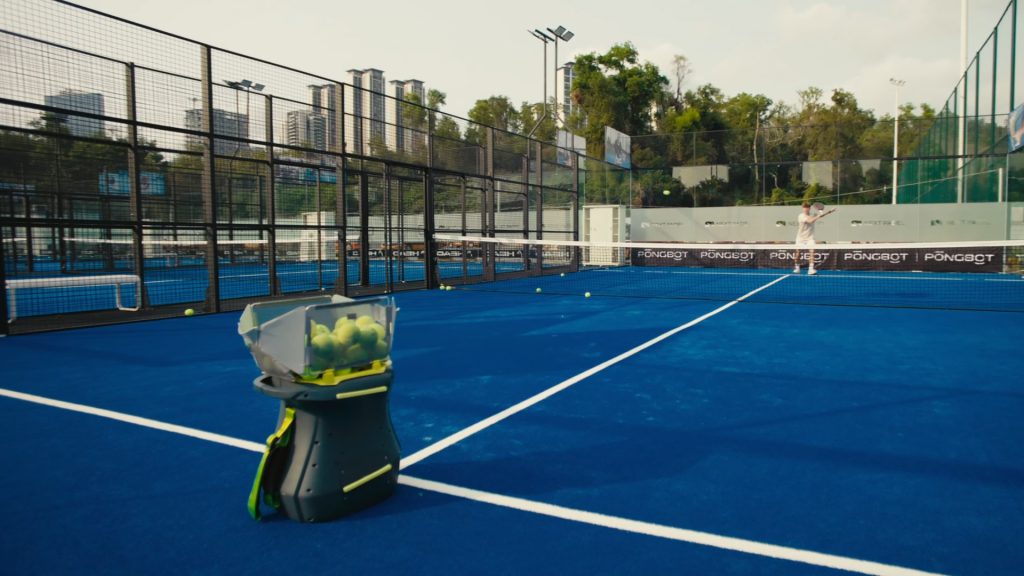
The referee and analytics functions are built on top of a machine that would be worth buying on its own merits. The Aura is the first ball machine to support tennis, pickleball, and padel from a single device, with a patented adaptive wheel track that physically reconfigures for each sport at the hardware level. It handles balls from 40 to 80mm without any manual adjustment beyond switching modes in the app.
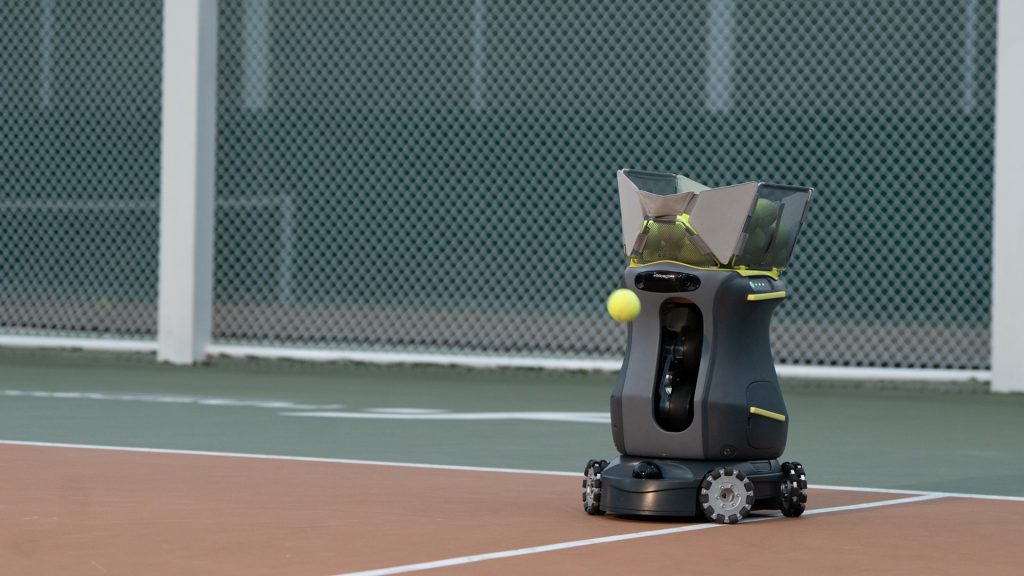
During training sessions with the Spotter docked, the system tracks your position on court and holds fire until you’ve recovered to your preset zone before releasing the next ball. That’s the Recovery Trigger, the same feature that defined the Pace S Pro, now paired with full-body motion analysis. The Spotter maps skeletal keypoints across five phases of your swing, from preparation through follow-through, and flags breakdowns in real time via voice feedback through your earpiece or Apple Watch. You don’t have to wait for the session to end to find out your follow-through collapsed under pressure. It tells you during the rally.
Natural language voice control runs through the whole system. You can say, “Give me a fast cross-court with heavy topspin,” and the machine executes it. No app navigation mid-session, no stopping to adjust settings. It works the same way across tennis, pickleball, and padel, so if you play all three, you’re not learning three different control systems. You’re just talking to the machine in plain language, and it responds.
The match replication feature is worth calling out here, too. If you have footage of the player you’re facing next week, you can upload the clip and the Aura will analyze their shot patterns, landing zones, spin tendencies, and rally rhythm, then program itself to replicate those sequences in your next training session. You show up to that match having already practiced against the specific patterns you’re going to face. No other consumer ball machine offers that.
The drill library has over 10,000 preset sequences across all three sports. You can build your own using a visual court interface, drag and drop shot placement, set speed, spin, and timing for each individual ball, and share the finished drill with a global community of over 200,000 players. At 7kg with a hot-swappable five-hour battery, it fits in a car boot and runs a full day of sessions without a recharge.
What It Costs Right Now
The PONGBOT Aura is on PONGBOT’s site and on their Kickstarter right now, with the Spotter included.
If you’ve ever lost a match point to a disputed line call and had no way to settle it, that’s the version of the problem this machine was built to eliminate.