The U.S. Central Command just confirmed what privacy advocates have been screaming about for years: your phone’s location data isn’t just selling you targeted ads anymore—it’s being weaponized against American troops. USCENTCOM acknowledged receiving “multiple threat reports“ concerning adversary exploitation of commercial location data to target or surveil US personnel in theater, according to a letter shared by Senator Ron Wyden with Reuters. This isn’t theoretical anymore. Hostile actors are buying the same data that follows you from Starbucks to Target and using it to track soldiers in active war zones.
How Your Apps Feed the War Machine
The path from smartphone to battlefield runs through an unregulated data marketplace most users never see.
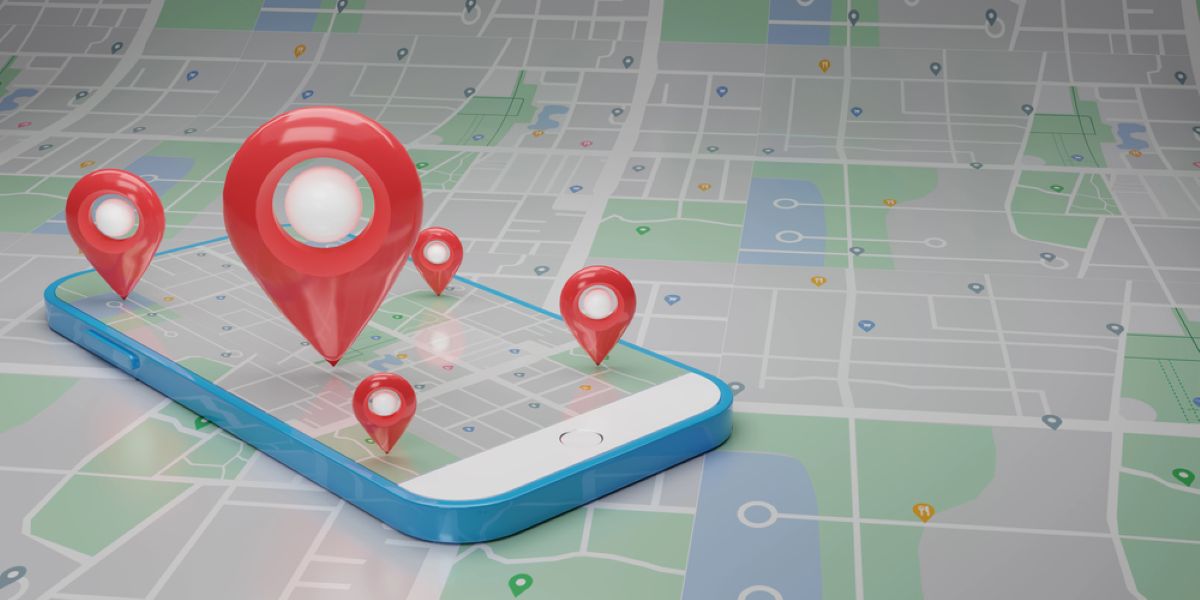
Your phone constantly broadcasts location data to advertising networks embedded in seemingly innocent apps. Those networks feed data brokers who aggregate precise movement histories and sell them on largely unregulated markets. Foreign intelligence services can purchase this data just as easily as marketing companies—no hacking required, no warrants needed. It’s surveillance app meeting actual warfare, and the Pentagon finally admits it’s happening.
“National Security Threat” Gets Real
Senator Wyden says it’s time to treat adtech like the security vulnerability it’s become.
“Start treating the adtech industry as a national security threat,” Wyden told Reuters, and suddenly that statement carries the weight of confirmed battlefield intelligence. With roughly 40,000 U.S. servicemembers deployed across 19 Middle Eastern facilities, the scale of potential exposure is staggering. The same infrastructure that powers Instagram ads is now providing foreign adversaries with a scalable tool to monitor American forces. It’s like having a tracking device in every pocket, except the tracker was installed by companies you’ve never heard of.
Ad Blockers as Digital Armor
The FBI’s consumer advice now doubles as force protection guidance.
The FBI has been quietly recommending ad blockers to consumers, but their guidance takes on new urgency when commercial tracking users becomes a military vulnerability. Blocking third-party ads and trackers can materially reduce the data volume flowing to brokers, though it won’t eliminate all collection. Your app permissions, location settings, and browser choices suddenly matter beyond personal privacy—they’re part of a broader digital hygiene that has national security implications.
The Pentagon’s confirmation signals incoming regulatory pressure on data brokers and location-tracking practices. Expect restrictions on selling precise geolocation data to foreign entities and enhanced device hardening policies for deployed forces. For civilian users, this validates what privacy advocates have long argued: the surveillance economy’s chickens are coming home to roost, and they’re armed with more than targeted shoe ads.