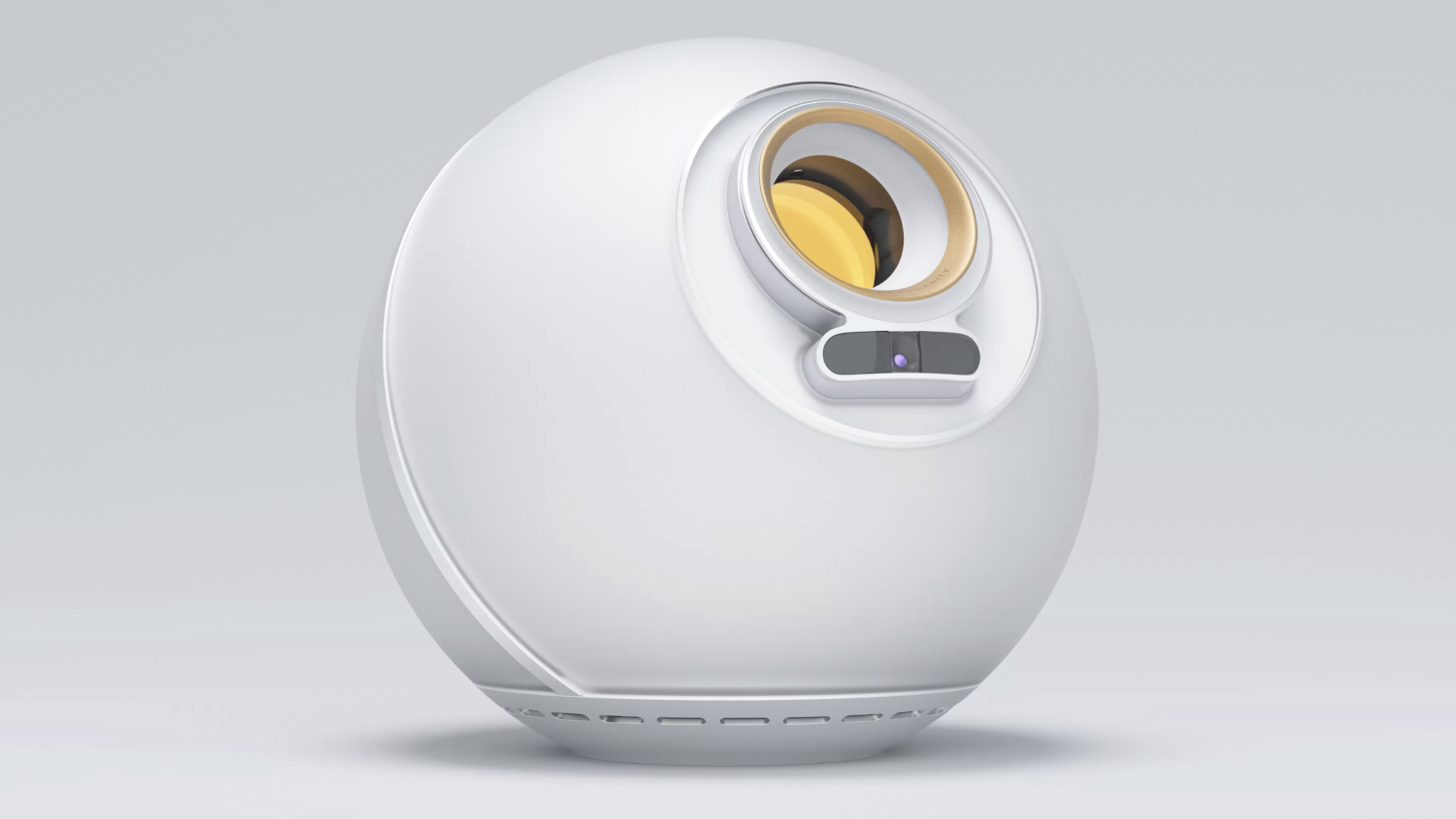
Your smart home assistant might be getting smarter than you bargained for. OpenAI is developing an AI-powered speaker that doesn’t just listen—it watches, armed with an integrated camera that monitors your living room like a digital security guard with ChatGPT’s brain.
The Always-Watching Assistant
OpenAI’s $200-$300 speaker combines cameras with ChatGPT for unprecedented home monitoring.
The device, targeting a February 2027 launch at the earliest, represents OpenAI’s first major hardware play beyond software. Unlike Amazon’s Echo or Apple’s HomePod, this speaker uses visual intelligence to observe your environment constantly. It can spot objects on your kitchen counter, recognize faces for purchase authentication, and even remind you to pack for early flights based on calendar analysis—all through passive observation of your daily routines.
Jony Ive’s LoveFrom design firm is leading the aesthetic development, suggesting Apple-level industrial design polish. With Foxconn handling manufacturing, the hardware pipeline mirrors successful consumer electronics launches.
Beyond Voice Commands
Proactive AI suggestions replace reactive voice control in OpenAI’s home assistant vision.
Traditional smart speakers wait for your commands like digital servants. OpenAI’s approach flips that dynamic entirely. The device proactively generates grocery lists by recognizing items you’re running low on, suggests optimal bedtimes based on your schedule, and offers contextual advice without prompting.
Think of it as having a hyperattentive roommate who never forgets anything and reads your calendar obsessively. This represents a fundamental shift from command-response interactions to anticipatory assistance—the difference between asking Siri for weather updates versus having someone who automatically suggests bringing an umbrella.
Privacy vs. Convenience Trade-offs
Always-on cameras raise surveillance concerns that could limit mainstream adoption.
Here’s where things get complicated. Continuous visual and audio monitoring creates privacy concerns that make even tech enthusiasts uncomfortable. Development delays have already emerged from technical challenges in optimizing AI models for hardware constraints and addressing privacy protection mechanisms.
Reports indicate consumer resistance toward always-watching devices, despite feature innovations. Your data becomes the product powering these conveniences—a transaction many households may reject regardless of functionality benefits.
Smart Home Market Disruption
OpenAI enters crowded assistant market with broader hardware ambitions beyond speakers.
The speaker represents just the opening move in OpenAI’s hardware expansion. Smart glasses are planned for 2028, competing directly with Meta’s Ray-Ban collaboration. Additional prototypes include smart lamps and audio wearables, suggesting an ecosystem play rather than single-product experiment.
This positions OpenAI against entrenched competitors in a market where Amazon and Apple already command significant mindshare. Success depends on delivering demonstrable daily utility that justifies both premium pricing and privacy compromises.
Whether you’re ready for an AI that watches while it listens remains the defining question for smart home evolution.