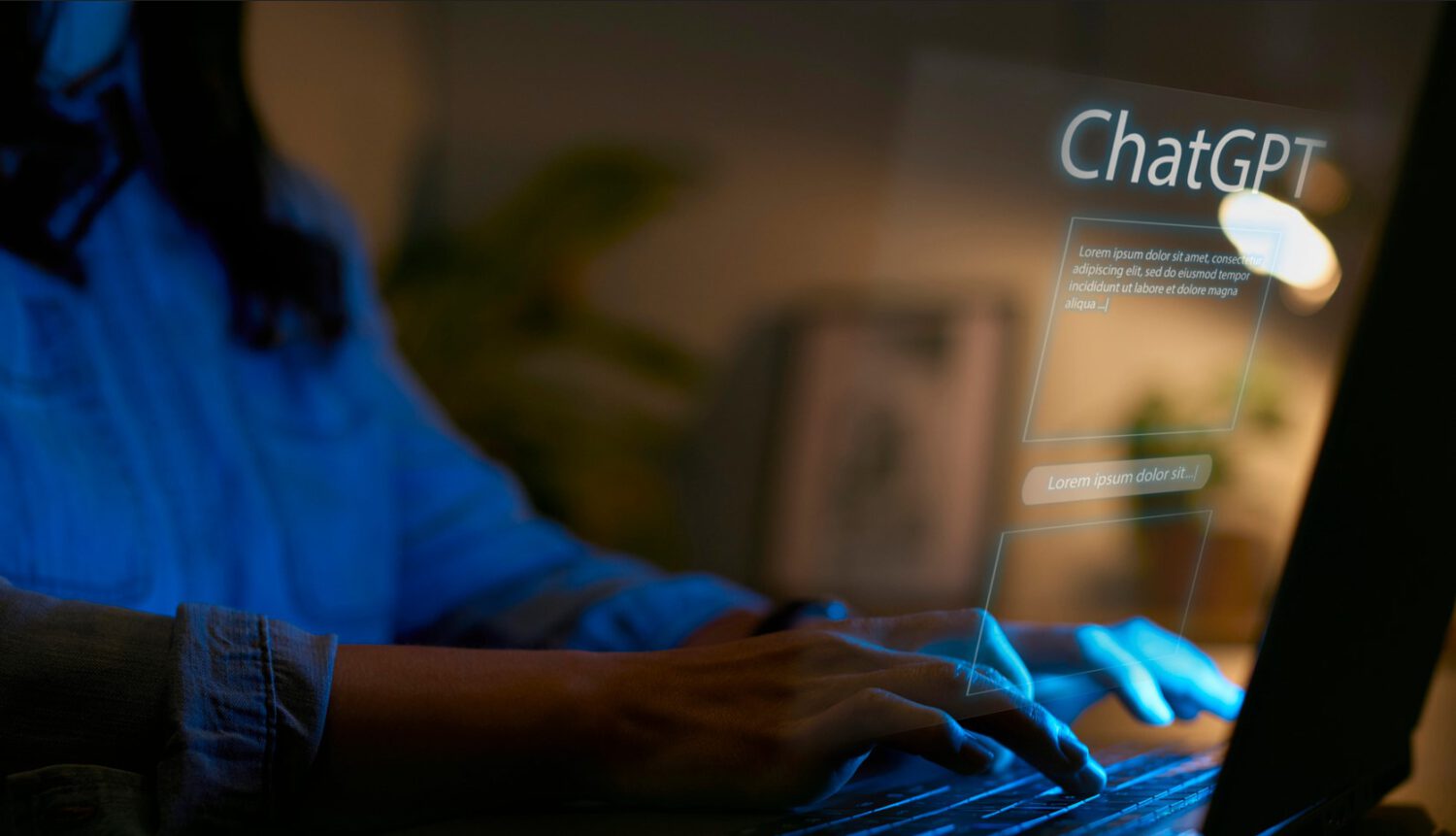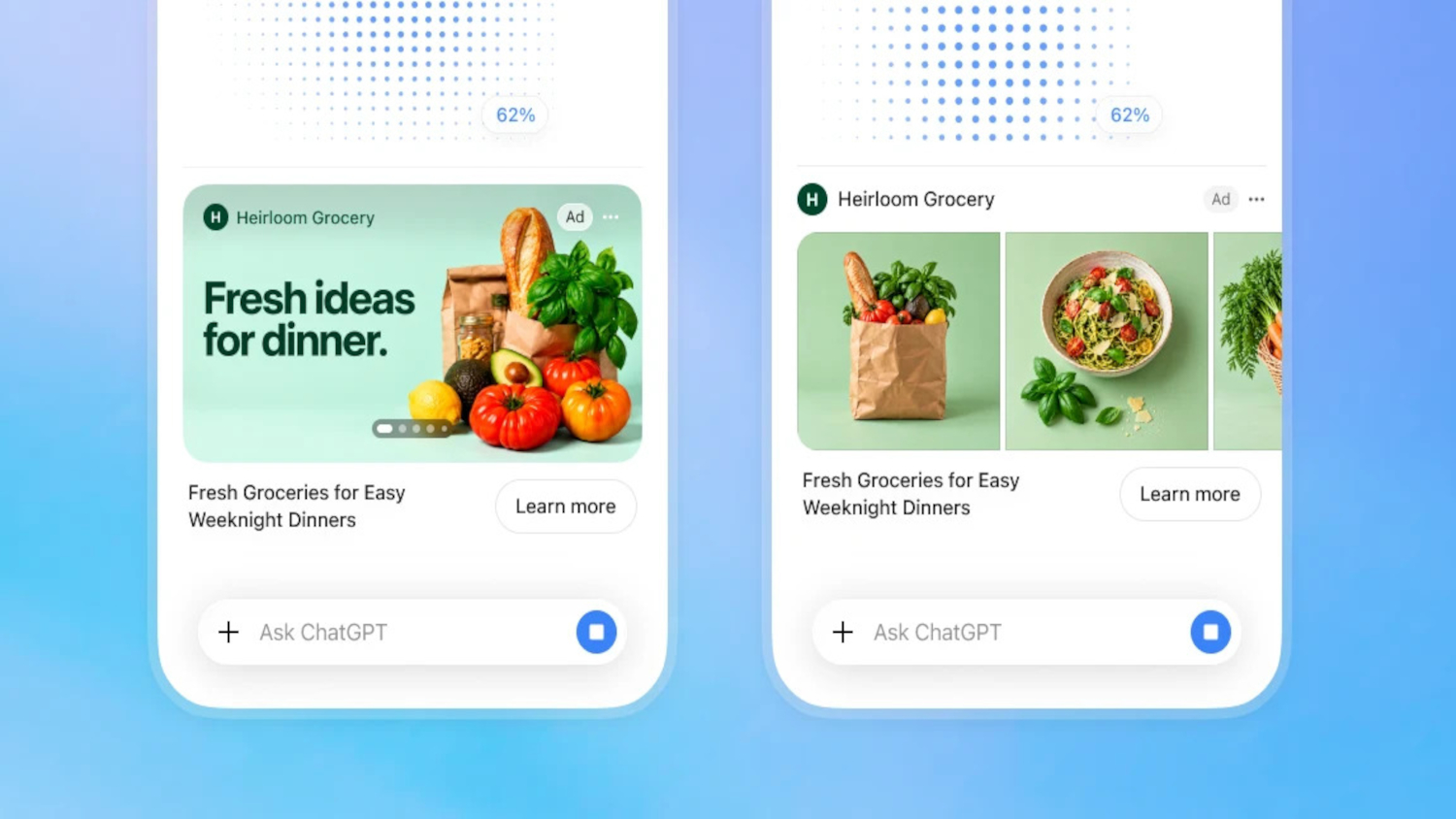
You ask ChatGPT to generate a mood board for your living room refresh. The image appears. So does an ad.
That is the new reality OpenAI is testing. Starting later in October 2026, a limited group of U.S. advertisers will begin placing visual display ads alongside ChatGPT image generation results, marking the platform’s most direct move yet from AI assistant to advertising channel.
What Changes When You Generate an Image
The format keeps ads beside your creation, not inside it, but the practical effect on your workflow remains to be seen.
The ads appear next to your generated image, not inside it. According to OpenAI, the advertisements will remain separate from the image being created and will not influence ChatGPT’s answers.
Each ad will carry a clear label. The format is designed to show product inspiration, product use, or experiences connected to a service.
Think of it like Spotify dropping a sponsored track into your carefully curated playlist: the music you chose is still there, but something else just landed beside it. Whether that disrupts the creative flow depends entirely on what shows up and how often.
The test is limited to the United States for now, with no global rollout date announced by OpenAI.
The Measurement Infrastructure Already in Place
A mature advertising stack is already operating behind this single new format.
OpenAI says it is expanding its measurement system to include conversion signals, attribution, and incrementality testing. That infrastructure is more developed than the modest scope of the initial test might suggest.
Third-party attribution partners named in OpenAI’s announcement include AppsFlyer, Triple Whale, Adjust, DV Rockerbox, Northbeam, Branch, Singular, Kochava, Airbridge, and Tenjin. Data integrations through Hightouch, Tealium, and LiveRamp are designed to let advertisers send existing conversion data directly into ChatGPT Ads.
For deeper performance analysis, OpenAI lists Fospha, Measured, and INCRMNTAL as full-funnel measurement partners. Geo-based incrementality experiments with Haus, Measured, and WorkMagic are also underway, though OpenAI describes that work as exploratory.
Brand-suitability pilots with DoubleVerify and Integral Ad Science are in development. OpenAI’s announcement frames these as early-stage pilots, with no finalized standards or independent validation results published yet.
What This Means for the People Using It
The separation and labeling commitments are clear on paper, but the user experience will depend on details OpenAI has not yet disclosed.
If you use ChatGPT for creative tasks, the practical impact remains unclear. OpenAI has not detailed the ads’ size, placement frequency, or relevance to what you are generating. Exploring AI-Powered Websites can help users understand how AI tools are reshaping creative workflows beyond a single platform.
The separation and labeling commitments address the most obvious concern: that ads could influence the creative output. Those promises are meaningful, but they are untested in a live product at scale.
According to OpenAI’s announcement, the visual format is positioned toward brands whose products benefit from imagery and inspiration-based presentation. For those advertisers, a user mid-image-generation represents a potentially valuable creative moment.
What this October test actually represents is larger than one ad placement. ChatGPT is assembling the components of a conventional digital advertising business: measurement partners, attribution tools, brand-safety vendors, and now a visual format. The announcement confirms a test and an expanding partner ecosystem; it does not establish the program’s commercial endpoint or long-term revenue strategy. This shift reflects a broader evolution in how every AI assistant is being repositioned across the industry.
Watch for three things as this rolls out: how frequently ads appear relative to generation sessions, whether targeting eventually draws on conversation context, and how OpenAI independently verifies that its brand-suitability systems work as described. The last question is the most concrete one, since OpenAI has not yet said when or whether it will publish independent audit results before expanding beyond the U.S. test.