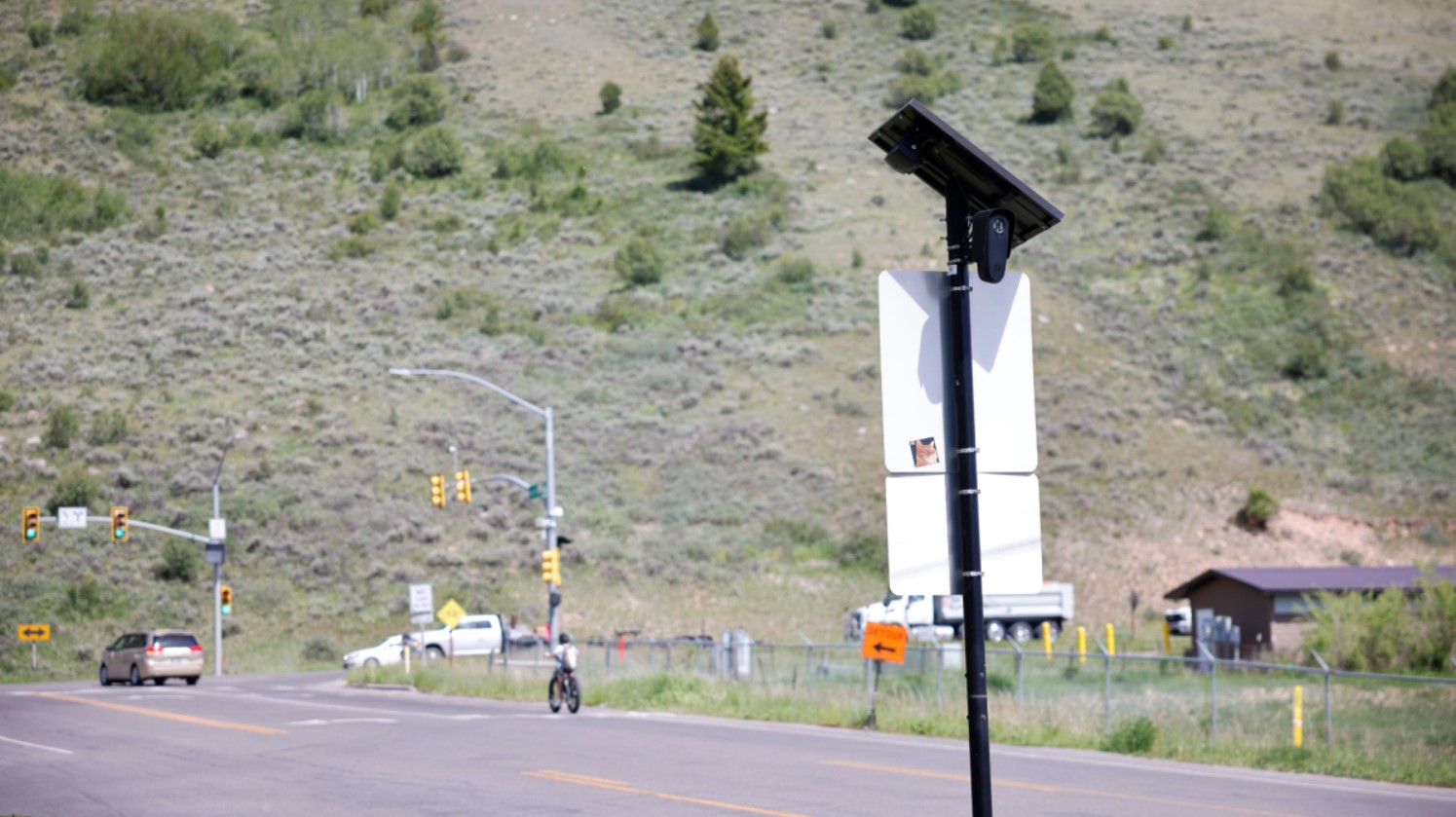
More than 5,000 U.S. cities have Flock Safety cameras quietly scanning license plates on their streets. Most residents never voted on it. Now, a growing number of those cities are ripping up the contracts. According to NPR, at least 30 localities deactivated cameras or ended deals since early 2025. That number keeps climbing — one tally puts it at roughly 54 municipalities acting this year alone, with a broader count reaching 82 terminated contracts across 28 states, according to the Washington Examiner.
The reasons aren’t abstract. They’re specific, documented, and ugly.
The Numbers Don’t Lie
The scale of contract losses spans coast to coast, and the data behind them is difficult to ignore.
Contract cancellations or rejections have now hit 28 states, with California and Wisconsin leading at seven each, followed by New York, Washington, and Massachusetts with four each, per the Washington Examiner. The LAPD declined to renew its Flock contract after an internal audit found 161 false stolen-vehicle alerts in just two months — a 32.3% false-positive rate. LAPD’s chief information officer Dean Gialamas quoted “This contract is not being renewed because of serious concerns around civil liberties and civil rights issues, particularly around privacy and the data that is being collected from these cameras.” Central objections across cities include:
- Data retention policies
- Lack of oversight
- Fears that plate-reader data could be accessed by federal immigration authorities
One in three alerts being wrong is the kind of accuracy rate that would get a weather app deleted. For a system that can trigger police stops, the stakes are considerably higher.
This Is Bigger Than One Company
City councils — not just activists — are pulling the plug, and some residents aren’t waiting for a vote.
Supporters argue ALPRs help solve crimes and recover stolen vehicles. That’s true. But critics counter that the cameras normalize always-on surveillance and create data pipelines stretching far beyond local policing. Neither side is entirely wrong, which is exactly why city councils are now making the calls instead of leaving it to advocacy groups and press releases.
Organized opposition has sharpened the fight. Tracking projects like DeFlock map camera locations and funnel public pressure toward council meetings. In some cities, residents have gone further — damaging, obscuring, or stealing cameras outright. That’s not symbolic protest. That’s people making their position physical.
Flock still counts more than 12,000 clients, so nobody’s writing an obituary just yet. But the audit trail is growing, state privacy rules are tightening, and the federal-access question refuses to disappear. Cities bought a crime-fighting tool. What some got instead was a surveillance liability they never budgeted for.