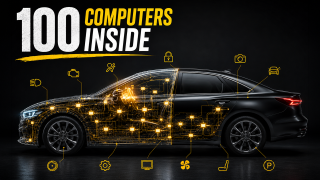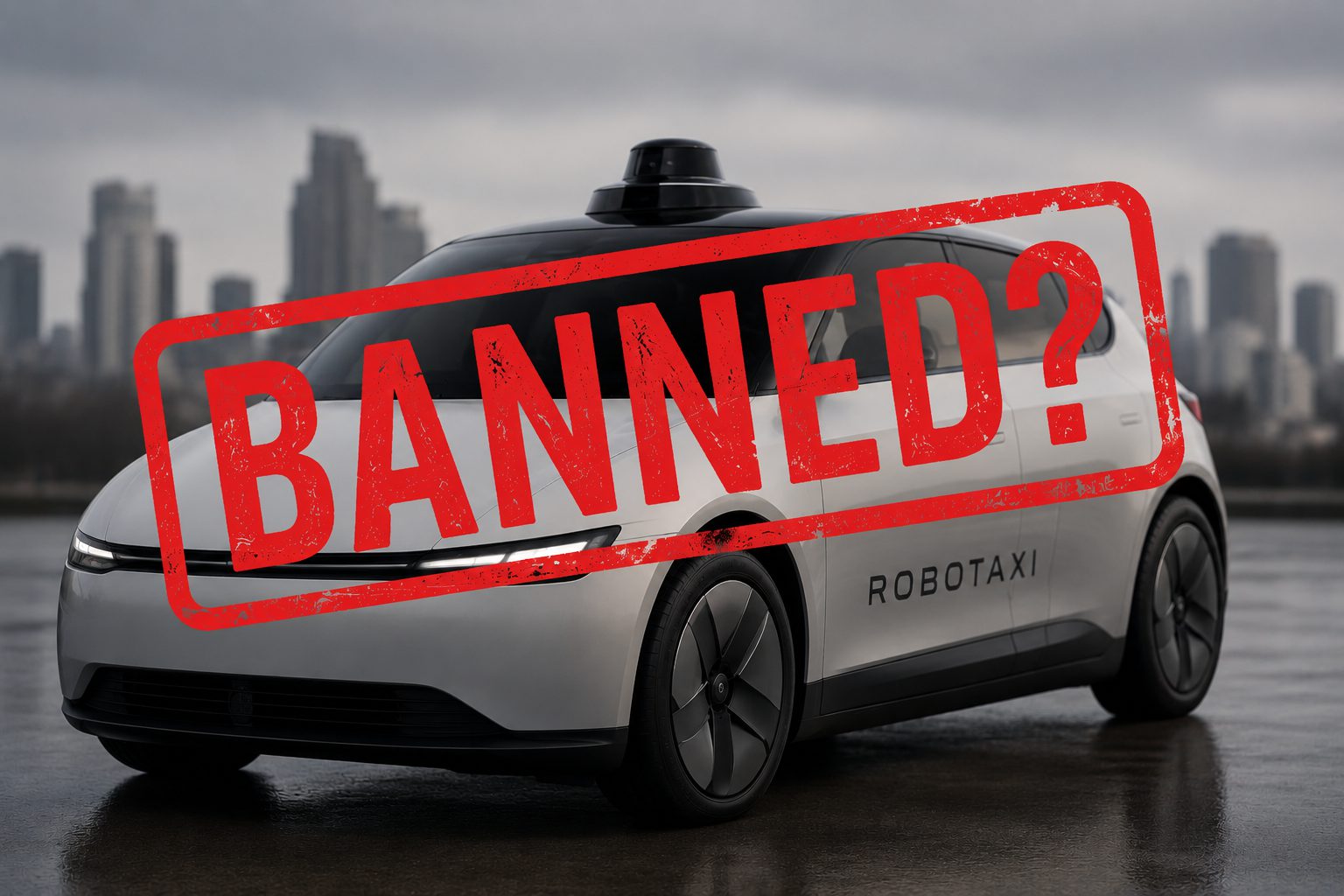
Bill S1677/A3968 would create the state’s first fully autonomous vehicle pilot program, a three-year trial overseen by the NJ Motor Vehicle Commission. The critical clause requires any driverless robotaxi to carry cameras plus two additional, distinct sensor types capable of detecting obstacles even if cameras fail. Tesla’s current hardware stack — cameras and nothing else — doesn’t qualify. Worth noting: a Tesla running FSD Supervised remains untouched. This targets only vehicles operating without a human driver.
What the Bill Actually Does
New Jersey’s pilot demands 50,000 supervised miles and triple-sensor hardware before any robotaxi goes fully driverless.
The requirements stack up fast. Operators must complete 50,000 miles of supervised in-state testing without a major safety incident before going fully driverless. The following are all mandatory:
- Insurance
- Crash reporting
- Cybersecurity plans
- Law-enforcement interaction protocols
Waymo successfully lobbied to remove an earlier provision requiring a human in the vehicle during driverless phases. The multi-sensor clause survived intact.
“At this point, I don’t think the evidence is sufficient that a single sensor with software can handle situations that humans can.” — Sen. Andrew Zwicker, bill sponsor, according to letsdatascience.com
Zwicker — a physicist at Princeton Plasma Physics Laboratory who became an AV believer after riding a Waymo in Phoenix — frames this as safety-first governance for America’s most densely populated state, not an anti-Tesla crusade. Tesla disagrees. Its Engage portal warns the bill would mean its AV technology “couldn’t legally operate in New Jersey,” according to engage.tesla.com. Zwicker’s office reportedly received roughly 4,000 emails in a single day — many defending Autopilot, a feature the bill doesn’t regulate.
One Sensor Type vs. the Real World
The camera-only versus multi-sensor debate is a genuine engineering disagreement, not just corporate positioning.
Tesla’s logic sounds intuitive: humans drive with vision alone, so sufficiently advanced cameras plus AI should work. Waymo and Zoox counter that cameras struggle in glare and fog, while radar penetrates weather and lidar maps 3D space with surgical precision. Redundancy isn’t overhead — it’s the point. Phil Koopman, a Carnegie Mellon AV safety expert, told letsdatascience.com that camera-only technology “is not up to the challenge” for 24/7 operation across most New Jersey roads today — and that at fleet scale, rare edge cases stop being rare.
“Tesla is trying to solve the problem with one arm tied behind their back.” — Shua Sanchez, SAVE-US national campaign director, according to letsdatascience.com
Tesla’s counter isn’t crazy — it’s just unproven at the scale and density New Jersey represents.
S1677 hasn’t passed yet, and a similar bill is pending in New York. If both become law, the Northeast corridor effectively closes to camera-only robotaxis — think streaming services discovering that different countries require entirely different content libraries. For anyone tracking how autonomous vehicles actually reach your street, this fight over sensor architecture in Trenton may matter more than any splashy product launch elsewhere.