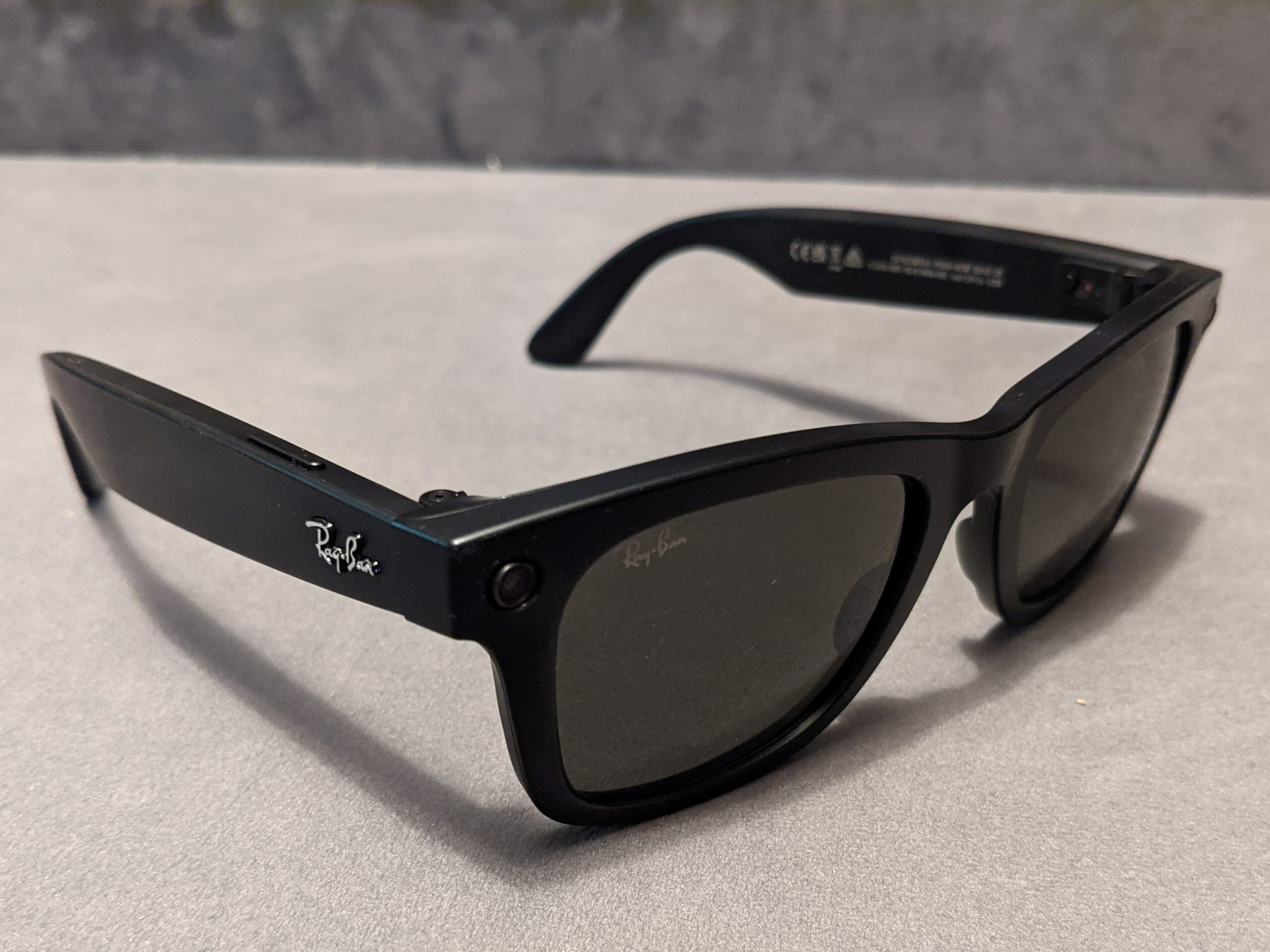
Swedish investigators just revealed what Meta’s “privacy-designed” smart glasses actually do with your most intimate moments. Workers in Nairobi review user footage that includes nudity, sex, undressing, toilet use, and personal financial information — all from the 7 million Ray-Ban Meta AI glasses sold in 2025. So much for “controlled by you.”
Gina Bartone of New Jersey and Mateo Canu of California aren’t buying Meta’s privacy promises anymore. Their class-action lawsuit, filed March 5th in federal court, claims Meta’s marketing materials explicitly promise that users control their data while hiding an inescapable offshore review pipeline. The glasses were marketed as “designed for privacy” and “built for your privacy” — language that now sounds like a cruel joke.
The Investigation Exposes Offshore Data Processing
Contractors in Kenya view sensitive user content without consistent privacy safeguards.
The Swedish investigation revealed that Meta hires contractors in Nairobi to review footage captured by the glasses’ AI recording features. These reviewers see content users never intended to share publicly, with inconsistent face blurring and no meaningful opt-out mechanism.
Once you activate the AI features, your data enters a pipeline where foreign contractors analyze your most private moments to “improve experiences” — Meta’s euphemism for training their algorithms on your life. The investigation found no reliable way for users to prevent this review process once they engage with the AI functionality.
Meta’s Defense Meets Growing Scrutiny
Company maintains content stays local unless shared, but investigations tell different story.
Meta insists that media remains on-device unless users explicitly share it with Meta AI, pointing to privacy policies that mention potential human review. Yet the Swedish findings suggest this distinction means little when AI activation triggers automatic data transmission.
The U.K.’s Information Commissioner’s Office has launched its own investigation, while a California court recently forced Meta’s legal team to delete recordings after they wore the glasses during a social media trial — because even judges recognize these devices as privacy risks.
The smart glasses market exploded 210% in 2024, with Meta leading consumer adoption through their Ray-Ban partnership. But this lawsuit highlights the collision between flashy wearable tech and basic privacy expectations. Your bathroom mirror shouldn’t become a training dataset for Silicon Valley’s AI ambitions, no matter how sleek the frames look.