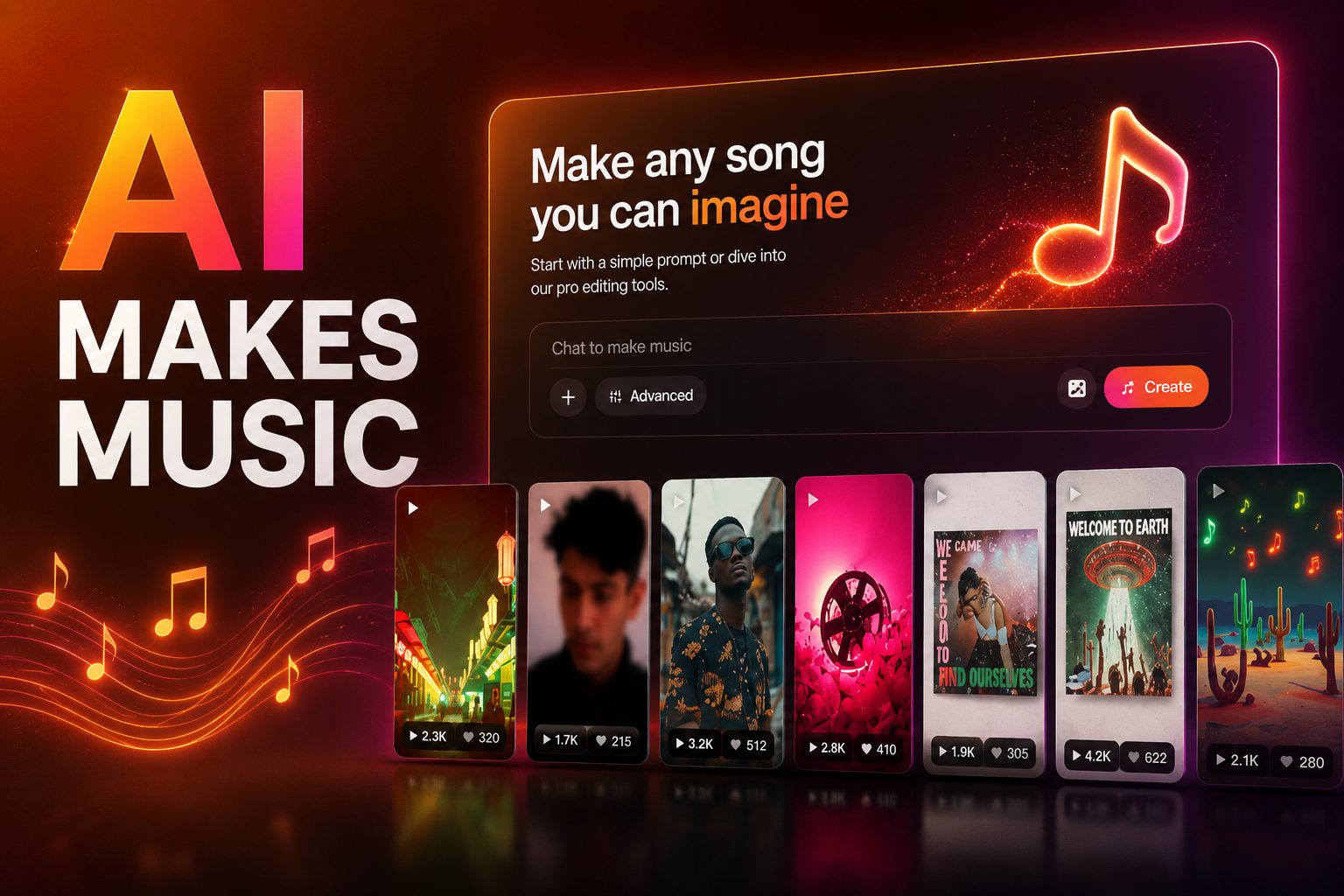
Someone walked into 404 Media’s inbox with a trove of internal Suno documents. What those files allegedly reveal is less a smoking gun than a smoking armory: the AI music startup reportedly scraped millions of songs and lyrics from YouTube Music, Deezer, and Genius, alongside stock-music libraries like Pond5, Jamendo, Freesound, the International Music Score Library Project, and even podcasts via RSS feeds, according to 404 Media’s reporting. OpenAI and other major AI developers face similar scrutiny over training data sourcing as regulators worldwide sharpen their focus.
The documents purportedly label distinct “training libraries” tied to specific platforms — not the fingerprints of casual data collection, but what looks like deliberate, organized ingestion.
Genius as a lyrics source is particularly notable. Lyrics are copyrighted text. That widens the legal exposure from sound recordings into written composition territory, significantly broadening the circle of rights-holders with a potential claim.
Here’s what the available evidence points to:
- Suno allegedly scraped YouTube Music, Deezer, Genius, Pond5, Jamendo, Freesound, and podcast RSS feeds for training data
- The RIAA accuses Suno of “stream ripping” — using code to bypass YouTube’s rolling cipher encryption, according to The Verge
- Suno’s own court filing acknowledges training on “essentially all music files of reasonable quality that are accessible on the open internet,” as reported by Engadget
- The company argues this mass scraping constitutes fair use; Universal, Sony, and Warner call it infringement
- Genius’s inclusion means lyrics — copyrighted text — were also allegedly ingested without permission
That court filing deserves a second read. Suno stated that “the tens of millions of recordings that Suno’s model was trained on presumably included recordings whose rights are owned by the Plaintiffs,” according to Engadget. The company confirmed the scale in court while arguing it shouldn’t matter legally. Think Napster’s defense, but with a venture-capital deck attached.
What This Means If You Use Suno
The court’s fair-use ruling won’t just affect one startup — it could reshape access to every AI music tool on the market.
If courts reject Suno’s fair-use argument, AI music platforms face mandatory licensing deals. Costs spike. The market thins. Your $10-a-month AI songwriting habit gets expensive or disappears entirely. Platforms like YouTube and Deezer may also tighten anti-scraping measures and API access across the board, affecting developers and casual users well beyond music generation. Exploring other AI music tool alternatives may become increasingly important as this landscape shifts.
The deeper tension stays unresolved. These tools genuinely democratize music creation — you can hum a melody and get a finished track back in seconds. But that capability was reportedly built by consuming decades of other people’s work without asking.
However the court rules on fair use, the decision won’t just set the terms for Suno. It will draw the line for every generative AI tool that ever touched a copyrighted file.