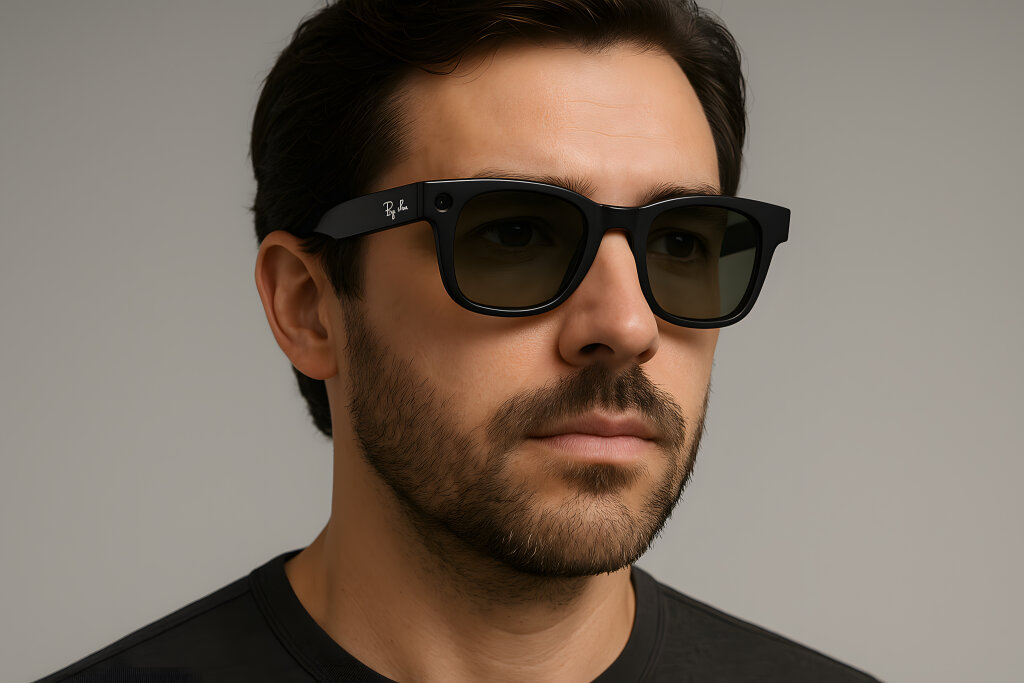
Racing to a high-stakes courtroom with wearable cameras might sound like a cyberpunk fever dream, but it just became very real for Mark Zuckerberg’s team. Judge Carolyn Kuhl delivered a blunt warning to smart glasses wearers during the Meta CEO’s testimony in Los Angeles Superior Court: delete any recordings or face contempt charges. If you’re among the growing crowd sporting Ray-Ban Metas—with Zuckerberg testifying that sales tripled in 2025—this courtroom drama reveals the legal minefields ahead.
When Fashion Tech Meets Court Orders
The collision between wearable cameras and traditional courtroom protocol exposes broader challenges for smart glasses adoption.
The scene unfolded as Zuckerberg arrived for his testimony in the K.G.M. v. Meta addiction trial, flanked by team members wearing the company’s AI-equipped eyewear. Judge Kuhl immediately spotted the glasses and delivered her ultimatum with courtroom gravity: “This is very serious.” The glasses came off instantly.
California Superior Courtrooms prohibit all recording and photography, with penalties including sanctions and ejection—no exceptions for trendy tech accessories.
Your Stylish Spy Gadget Problem
Smart glasses‘ greatest asset—their inconspicuous design—becomes their biggest liability in sensitive environments.
The Ray-Ban Meta glasses pack serious recording capabilities:
- 12MP photos
- 1080p video
- Up to an hour of continuous capture
They signal recording with a blinking LED indicator, but here’s the kicker—that light can be modified or disabled. Courts aren’t taking chances with devices that look like regular sunglasses but function as surveillance equipment.
This isn’t just a courtroom curiosity. You’re witnessing the collision between ubiquitous recording technology and society’s comfort zones. Beyond courts, expect similar restrictions in schools, medical facilities, locker rooms, and high-security venues. The glasses’ sleek Ray-Ban design—their biggest selling point—becomes their liability in sensitive spaces.
Smart glasses represent the new frontier of always-on technology, like smartphones were fifteen years ago. But unlike phones, these devices record without obvious visual cues. As adoption accelerates, you’ll need to navigate an evolving patchwork of restrictions and social expectations around wearable cameras.
The Zuckerberg incident perfectly captures our awkward transition period. You can buy advanced recording technology disguised as fashionable eyewear, but society hasn’t caught up with the implications. Until clear norms emerge, smart glasses users face a simple choice: know your surroundings or risk serious consequences. Some spaces will always demand you leave the future at the door.