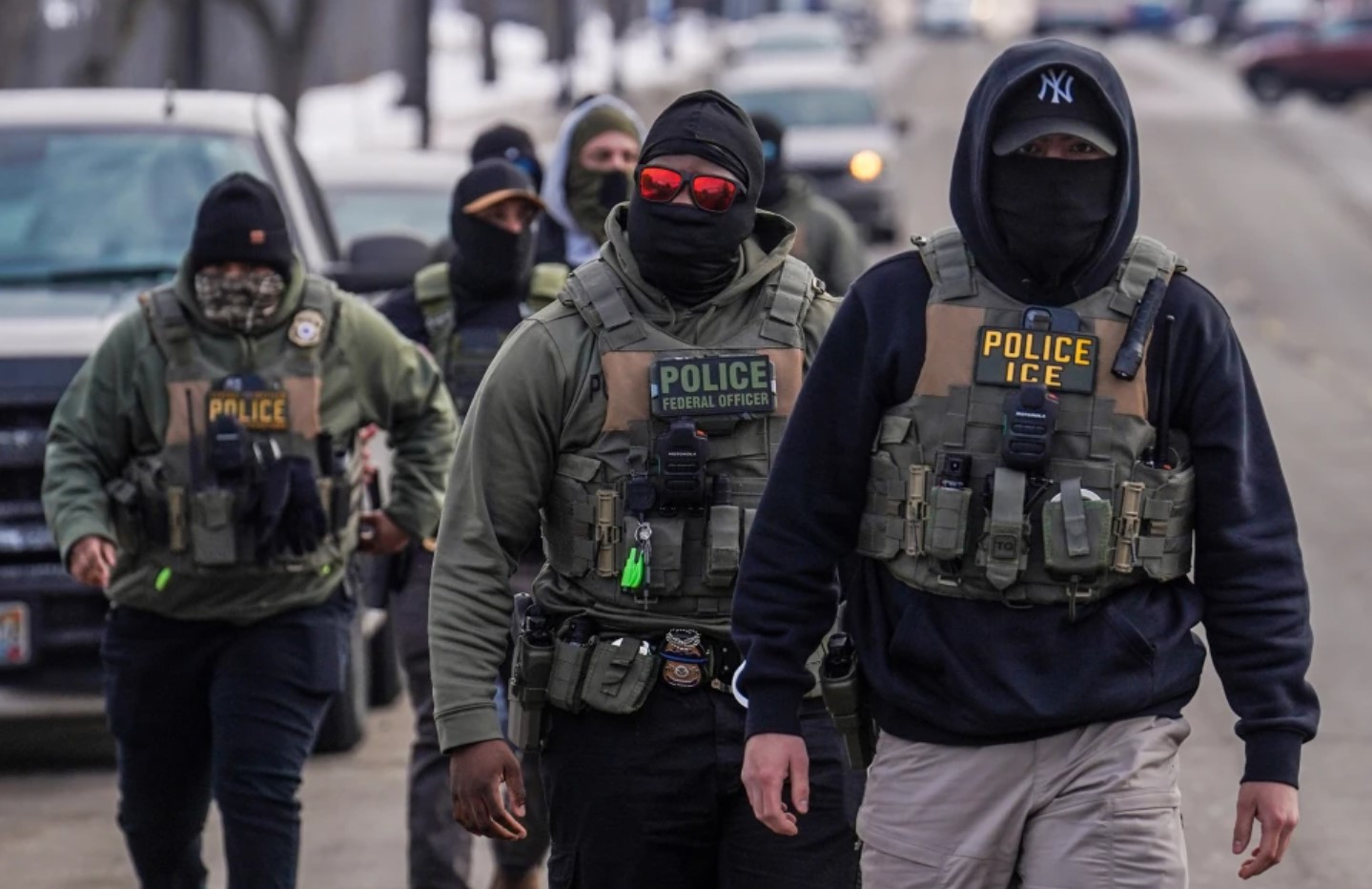
They look like regular patrol gloves. That’s the point. Flip a switch, and they reportedly deliver up to 380 volts directly through skin contact. According to a DHS procurement notice, ICE is planning to spend up to $20 million on thousands of these devices — known as the G.L.O.V.E., or Generated Low Output Voltage Emitter — with distribution targeted for March 2027. Proponents call it de-escalation technology. Critics call it a hidden pain machine. The gap between those two descriptions is where this story lives.
What the G.L.O.V.E. Actually Does
The device looks ordinary — until it isn’t.
Made by Compliant Technologies LLC out of Lexington, Kentucky, the G.L.O.V.E. functions as standard patrol gear until an officer activates it via switch. It requires direct skin contact to work and reportedly does not penetrate clothing or hair. The procurement is structured as a no-bid contract, which raises oversight questions before a single glove ships.
Key specs, according to reporting:
- Delivers up to 380 volts via direct skin contact
- Ineffective through clothing or hair
- Manufacturer restricts use: prohibited on children, pregnant women, elderly, or disabled individuals
- Officers must complete training and recertify every two years
- Distribution targeted for March 2027
The devices have already seen use in some jails and police departments — typically in controlled settings, not open-field patrol. John Peters, describing the effect, called it “like a bee sting” and framed it as an effective tool when subjects resist. That’s the controlled-environment case: fast compliance, minimal lasting injury, officers maintaining safe distance.
That framing shifts considerably when the environment isn’t controlled — and immigration enforcement rarely is.
The Accountability Question
Civil enforcement and concealed pain create a combination critics say is already overdue for scrutiny.
ICE operates in civil immigration enforcement, not criminal prosecution. That distinction matters. ACLU attorney Jenn Rolnick Borchetta called the plan “a recipe for harm to the public,” citing existing force and accountability concerns within the agency. A tool that inflicts pain without leaving visible marks — deployed in an enforcement context already under scrutiny — creates monitoring problems that biennial recertification alone doesn’t resolve. Compliant Technologies declined to comment on ICE’s plans specifically, according to AP-linked reporting.
If this procurement finalizes, it would represent a significant expansion of wearable electrical compliance devices into federal immigration enforcement — and could set a precedent for how “less-lethal” tools migrate from controlled jail settings into open-field operations across U.S. law enforcement.