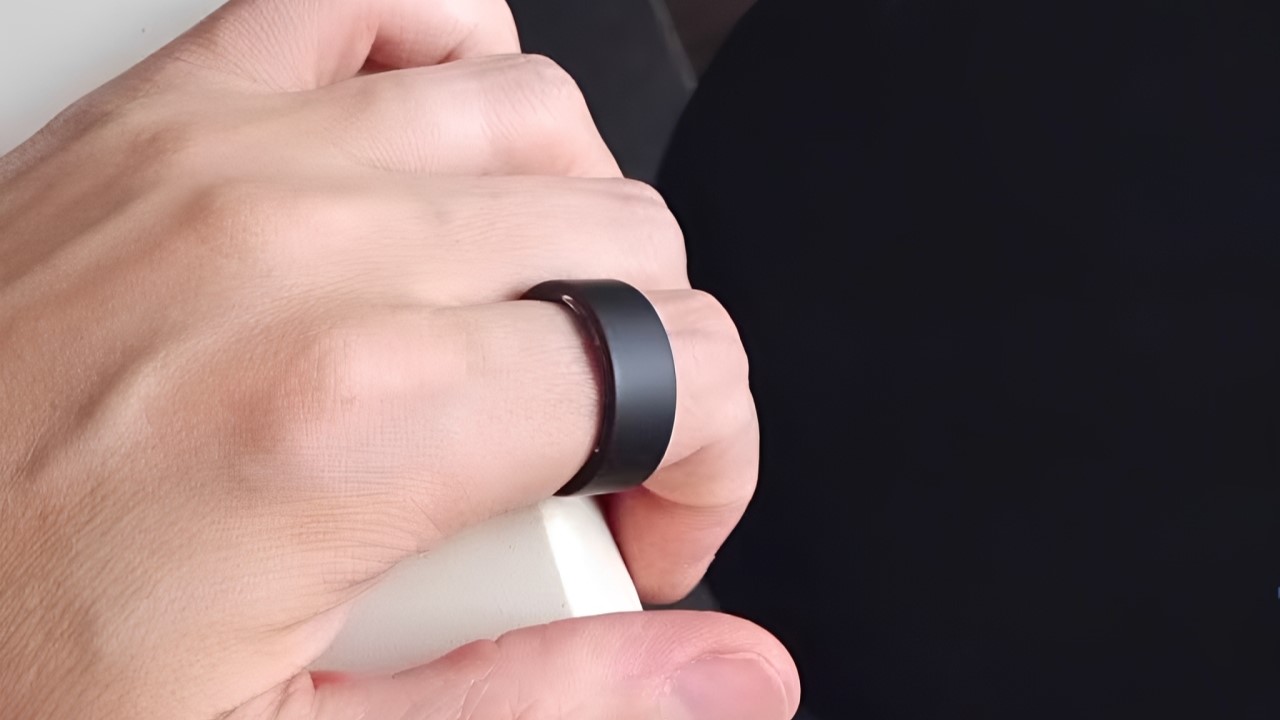
Your sleep patterns, recovery metrics, and daily activity rhythms aren’t just numbers on your phone. They’re digital breadcrumbs that reveal everything from work stress to relationship health—and hackers know it. Ultrahuman’s recent security breach, affecting roughly 700 customers, shows how easily this intimate data becomes vulnerable when companies centralize wellness tracking in cloud analytics systems.
Stolen Credentials Open Analytics Vault
The March 27 attack followed a depressingly familiar script. Hackers infected an Ultrahuman employee’s laptop with malware, stole their credentials, then used those login details to access an internal analytics system containing user wellness data. The company’s security alerts caught the intrusion within hours, but damage was done.
This credential theft playbook drives 61% of all data breaches, according to Verizon’s latest research—making it the Netflix password sharing of cybercrime. Ultrahuman claims attackers gained only “read-only” access and that passwords, payment info, and ring devices themselves stayed secure. Yet the company won’t specify whether data was actually copied out or simply viewed, leaving users to wonder if their sleep disorder patterns or workout schedules are now circulating on dark web forums.
“Wellness Data” Remains Mysteriously Vague
Here’s what makes this breach particularly unsettling: Ultrahuman won’t define “wellness data.” Does it include your 3 a.m. stress spikes? Recovery scores that reveal weekend drinking habits? Activity gaps that suggest health issues? Smart rings track extraordinarily personal behavioral patterns—the kind that insurance companies or employers might find fascinating.
The $103 million startup joins a growing list of health-adjacent companies losing user data to similar attacks. Over 144 million Americans’ medical records were compromised in recent breaches, with most incidents tracing back to poor credential security rather than sophisticated technical exploits.
Internal Tools Become High-Value Targets
Ultrahuman’s internal analytics platform—likely used for product insights and user behavior analysis—became a one-stop shop for accessing hundreds of users’ data once hackers had valid credentials. These centralized tools, essential for modern health-tech operations, create exactly the kind of honeypot that makes credential theft so lucrative.
The company says it’s notifying regulators but hasn’t clarified which authorities or whether any demanded changes to its data practices. For users wondering whether to keep sharing their most intimate biometric data, those answers matter more than corporate reassurances about “swift responses.” Smart ring adoption keeps accelerating, but incidents like these suggest the industry’s security practices haven’t caught up to the sensitivity of data they’re collecting.