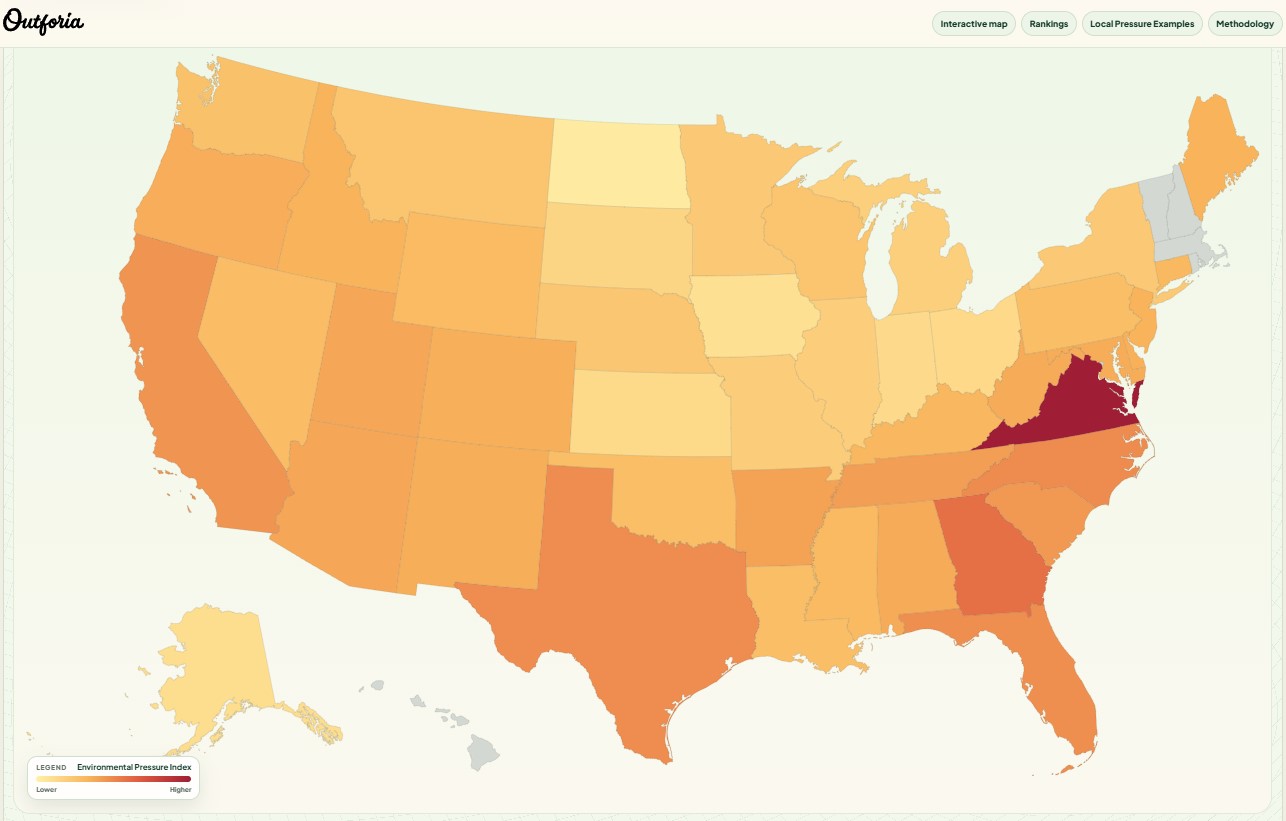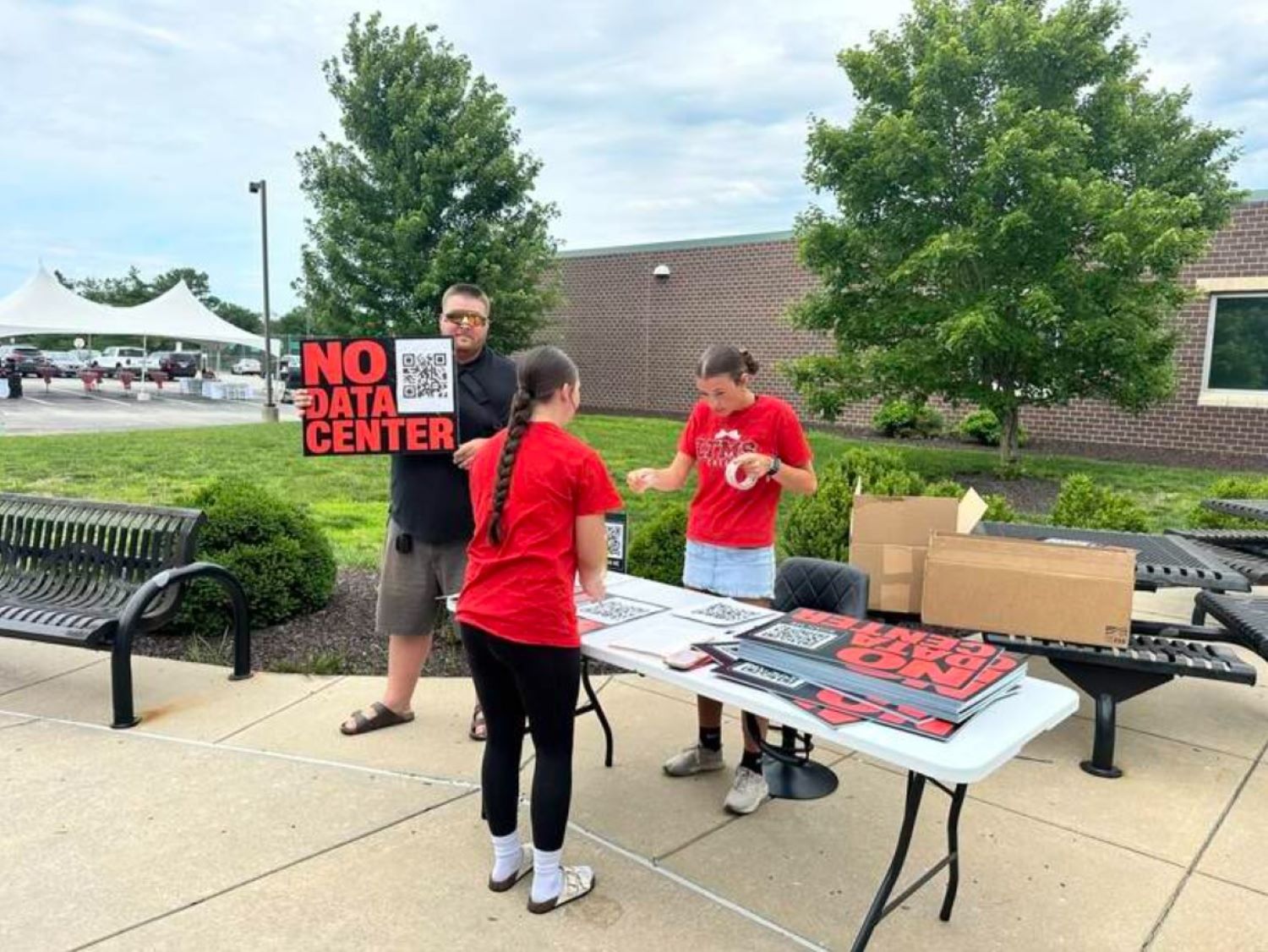
Across 42 states last weekend, 142 separate protests targeted AI data centers in the first synchronized, nationwide action against the physical machinery powering artificial intelligence. This wasn’t a fringe environmental skirmish. It was bipartisan, coordinated, and loud — a collective declaration that AI isn’t just software floating in the ether. It runs on residents’ water, household electricity, and increasingly, community patience. Organizers branded the current buildout “unaccountable” and called it an “unacceptable infringement on our liberty,” according to Reuters and Tom’s Hardware.
The NIMBY Coalition Nobody Predicted
Bipartisan opposition has turned data center siting into one of the rare tech issues uniting Americans across ideological lines.
While Democrats and Republicans can’t agree on much these days, opposition to local AI data centers has united them like a shared hatred of surge pricing. A Gallup poll cited by Fortune found over 70% of Americans oppose having one built nearby — roughly 75% of Democrats and 63% of Republicans, according to Grist. The striking part? Only about 8% of Americans actually live near a data center. This backlash runs on perceived risk and national debate, not direct neighborhood experience.
The grievances fueling the movement are concrete:
- Electricity demand straining local grids and raising household utility bills
- Heavy freshwater consumption in already water-stressed regions
- Noise, light pollution, and emissions degrading daily life
- Secretive, NDA-laden deals between tech companies and local governments
- Job promises that rarely materialize — data centers employ shockingly few people relative to their footprint
“Unaccountable buildouts are an unacceptable infringement on our liberty.” — Protest organizers, according to Reuters and Tom’s Hardware
The policy fallout is already material. More than 60 local bans or moratoriums now restrict data center development nationwide, according to Grist. Seattle and New York each imposed one-year moratoriums. Madison, Wisconsin passed its own in January 2026, according to TechCrunch. At least 20 proposed data centers were canceled in Q1 2026 alone. Some developers are already pivoting to remote rural sites and building private power supplies — a tacit admission that community consent has become as scarce a bottleneck as GPUs.
The bigger picture sharpens the stakes considerably. Harvard Gazette reporting warns that electricity bills for residents near data centers can double when grid upgrade costs pass through to ratepayers. U.S. data centers already consume power equivalent to roughly one million households. Projections suggest they could demand 10–15% of national electricity within a few years. This movement isn’t anti-tech. It’s anti-externality — benefits concentrate in Silicon Valley boardrooms while costs land on local utility statements and municipal water supplies.
Community consent has become a strategic variable alongside chips, energy, and capital. That negotiation isn’t happening in a server rack. It’s happening at local city councils right now.