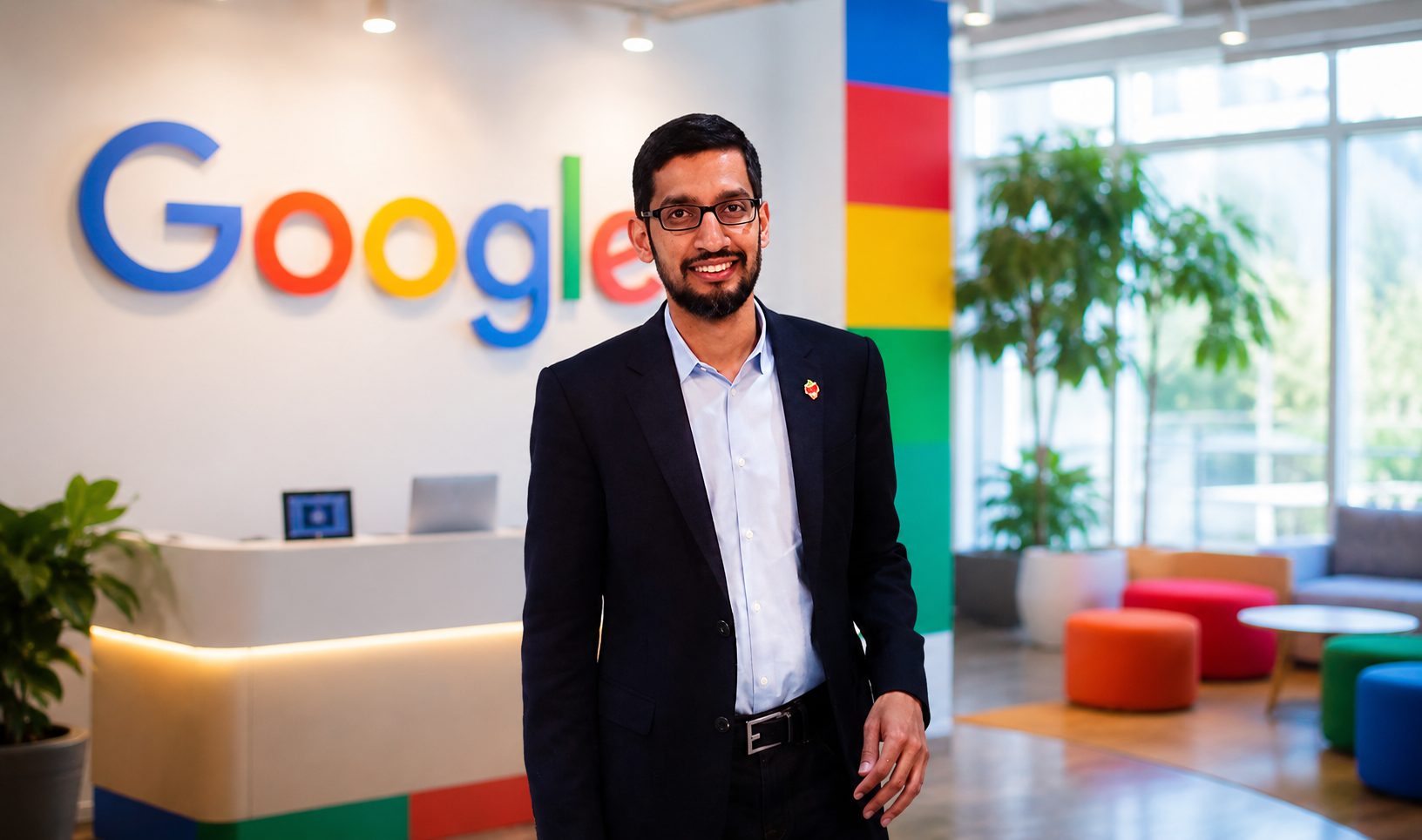
Google has never processed more searches. Sundar Pichai says query volume is at an “all-time high,” according to recent earnings remarks. Yet ChatGPT has reportedly surpassed 1 billion monthly active users, and DuckDuckGo is seeing surging installs for a feature that does the exact opposite of AI — it strips artificial intelligence out of search entirely. Google is simultaneously too slow for the future and too fast for the present.
Caught Between Two Rebellions
Some users want smarter answers; others want Google to stop being so relentlessly smart.
Type a question into Google today and you’ll notice the AI Mode button sitting right in the search box, pushing AI-generated summaries front and center on mobile. That’s the company betting its future on conversational answers. Meanwhile, DuckDuckGo launched no-ai.duckduckgo.com and browser extensions that strip AI features entirely. Microsoft built a Bing extension doing the same thing. The backlash now has its own product category — which should tell you something.
Here’s what the scoreboard looks like:
- Google holds roughly 90% of the search market — dominant, but static
- ChatGPT reportedly surpassed 1 billion monthly active users
- DuckDuckGo’s No-AI Search install rates have spiked sharply
- Google acknowledged in a court filing that the open web is “already in rapid decline”
- Google’s own Gemini app trails leading consumer AI products in multiple rankings
The Money Problem Nobody Wants to Say Out Loud
Every AI answer that satisfies a user is an ad click that never happens.
This is Google’s Succession-level dilemma. AI overviews reduce the need to click through to websites. Research from firms including SparkToro confirms a growing share of searches end without a single external click. Publishers are watching their traffic quietly evaporate.
Talent is also moving. Noam Shazeer, co-lead of Gemini, left for OpenAI. John Jumper departed DeepMind for Anthropic. Analysts at Jefferies frame these exits as an industry-wide talent war rather than a Google-specific retreat. Fair enough. But losing top AI minds while executing an AI pivot is, at minimum, bad timing.
Google’s financial muscle remains enormous — the company can absorb disruption longer than any competitor. That buys time. For the average person running dozens of searches daily without a second thought, the ground beneath that familiar search box is shifting faster than the results load.