Flock Safety tells communities its cameras watch cars, not people. No facial recognition. Vehicle details only. That framing is doing enormous work — because the company’s own tools tell a different story. Its AI search feature, FreeForm, and its Condor pan-tilt-zoom cameras let officers type natural-language descriptions of human beings and get results across hundreds of networked feeds simultaneously. The result functions less like a traffic camera and more like a dragnet — one that follows clothing descriptions, not just license plates.
According to watchdog project HaveIBeenFlocked, police ran 6,736 FreeForm searches in 2025 across 121 agencies. Plenty weren’t looking for cars.
FreeForm Searches for Bodies, Not Just Bumpers
Flock’s own blog distinguishes between “Vehicle FreeForm” and “People FreeForm” — then publicly claims its cameras aren’t designed to track individuals.
Flock’s testing blog quietly acknowledges that video cameras support People FreeForm, allowing searches like “man wearing a cowboy hat.” Meanwhile, the company’s FAQ insists cameras “are not designed to search for people, scan faces, or track individuals.” Both claims live on the same website.
HaveIBeenFlocked‘s audit of more than 3,200 search prompts found the moderation system approved over 3,100 searches while blocking just 19 and issuing 14 warnings. Real prompts from those logs include:
- “person in orange vest” set as a real-time alert
- “tweaker on bike”
- references to “Marine Corps”
Some searches embedding race proxies or political symbols passed through filters Flock claims would catch them.
Cross-agency access compounds the concern. One officer can query dozens of camera networks simultaneously. Federal agencies including ICE, CBP, and DEA have accessed Flock data through local partnerships, according to the ACLU and reporting by Truthout. A Texas officer reportedly used the system to secretly tracking users search nationally for a woman who had self-managed an abortion.
“A significant increase in surveillance capability,” is how ACLU senior policy analyst Jay Stanley describes it — the equivalent of officers on every corner noting where you are and what you’re wearing, except automated and at massive scale.
The Camera That Follows You Down the Sidewalk
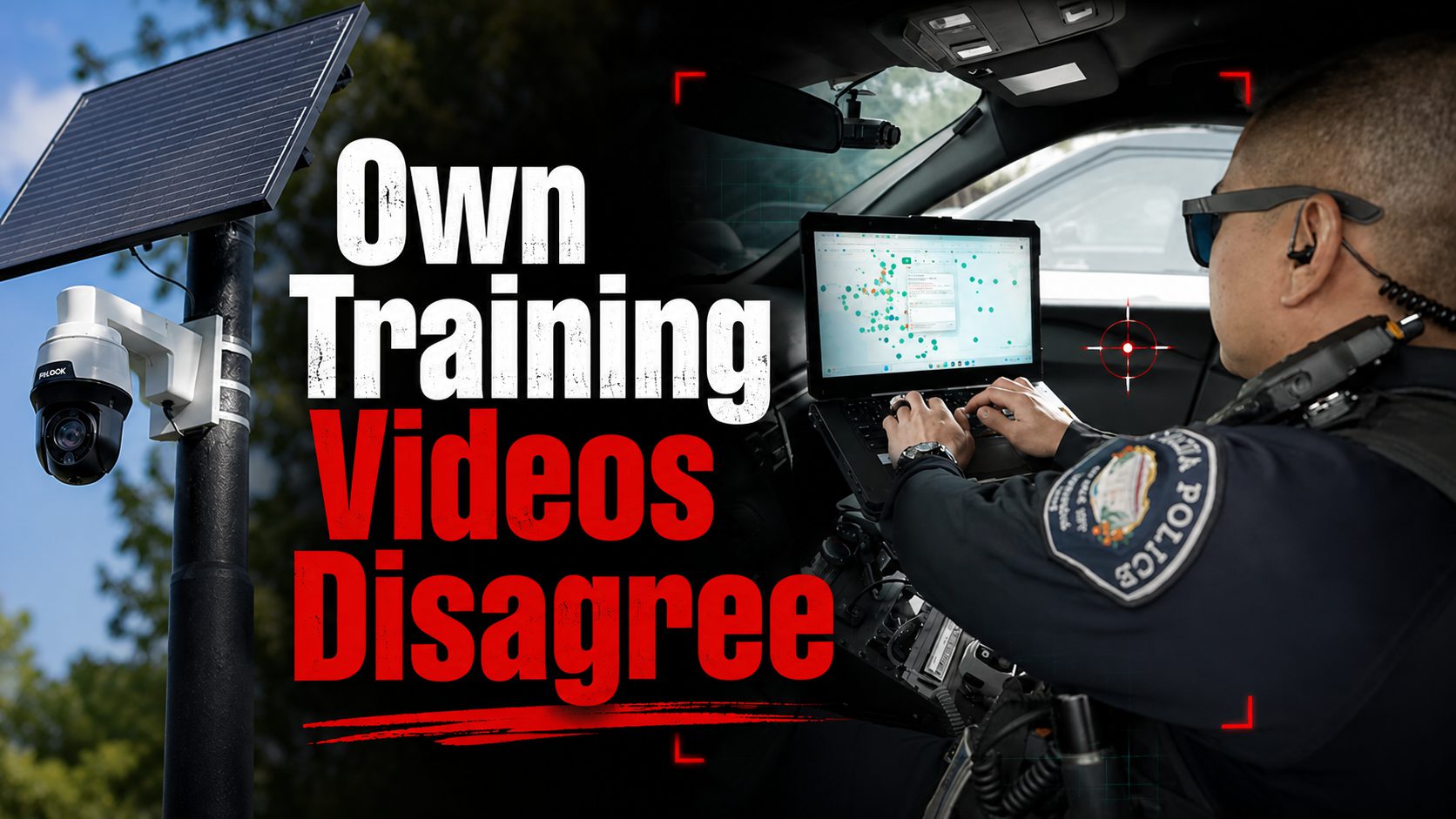
Sixty Condor units were left exposed to the open internet in December 2025 — viewable by anyone — while internal Flock training videos show the cameras automatically acquiring and following pedestrians in real time.
Per InvestigateTV’s June 2026 report, those training materials show Condor cameras physically acquiring a person and tracking them as they walk, streaming live footage back to the department. Flock publicly maintains its cameras do not track individuals. The training videos suggest otherwise.
After cities restricted facial recognition following the Clearview AI backlash, vendors pivoted toward attribute-based tracking as the workaround. Your morning commute, your protest attendance, your walk to the coffee shop in a red backpack — all potentially searchable. No federal statute currently covers systems like this. Local ordinances remain the only meaningful check, and they are not keeping pace with the deployments. Readers interested in consensual, transparent monitoring may want to explore home security systems as an alternative framework for understanding what accountable surveillance can look like.