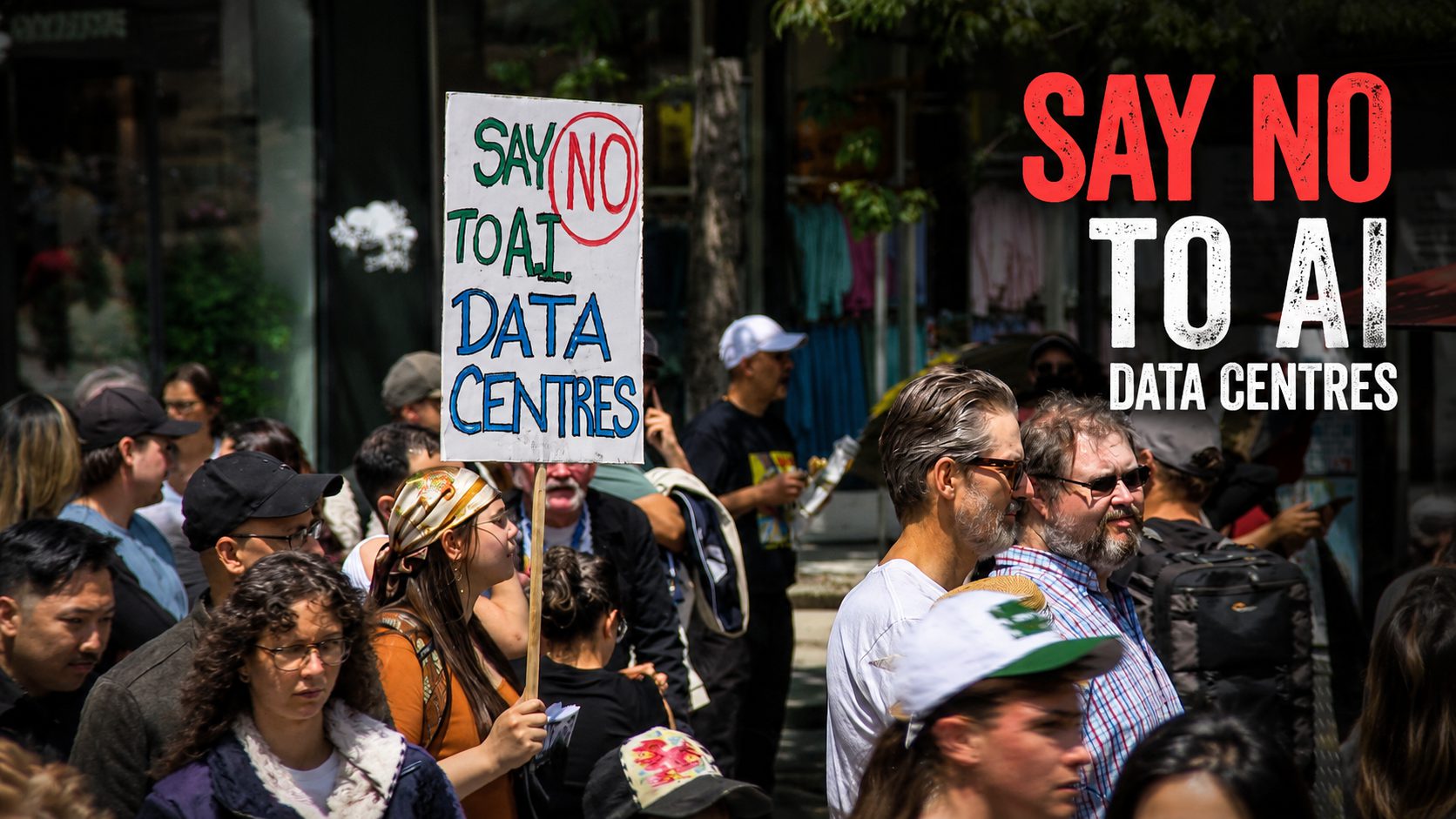
A vacant lot near Interstate 10 in New Orleans East. A company called MS Solar Grid Data wanted to build a data center there, steps from homes in a residential neighborhood with deep roots in the city’s African American and Vietnamese American communities. The City Council didn’t deliberate long. In late January 2026, every member voted unanimously to impose a one-year moratorium on new AI infrastructure citywide. Hours later, the developer pulled his zoning permit. That fast.
Here’s what drove the vote. The term “data center” doesn’t exist in New Orleans’ Comprehensive Zoning Ordinance — meaning companies could classify server farms as “office space with computers” and slip through without proper review. The City Planning Commission must now formally define data centers, decide where — if anywhere — they belong across the city’s zoning districts, and draft enforceable standards for noise levels, density, and safety. Council President JP Morrell framed the urgency plainly: “Until we figure out what the hell a data center is in the law… data centers are not permitted.” Mayor Helena Moreno publicly opposed the project on social media, signaling that the pause had support across city government. Community advocates stressed that New Orleans East has long shouldered a disproportionate share of industrial and environmental burden — and that adding a high-energy, high-water-consumption facility without robust safeguards wasn’t a trade the neighborhood should be forced to accept.
This Isn’t Just a New Orleans Problem
Across 40 states, at least 188 opposition groups are forcing the AI industry to answer a question it’s been quietly avoiding — who actually pays for all this?
The moratorium landed inside a national revolt. In the first quarter of 2026 alone, local opposition blocked or delayed 75 data-center projects worth roughly $130 billion in planned construction, according to Data Center Watch — roughly matching the entire previous year’s disruptions. Cities including Minneapolis, Denver, and Baltimore have drawn similar lines, and Smithfield, Rhode Island banned data centers outright. A Gallup poll found 70% of Americans oppose an AI data center in their local area, with 48% strongly opposed. That’s not a fringe position. That’s a supermajority.
Critics have framed the moratorium as anti-technology — a characterization the broader Louisiana data-center pipeline directly contradicts. The state still has more than 20 projects moving forward elsewhere, including Meta’s massive Hyperion facility in the northern part of the state. Industry voices argue moratoriums cost jobs and slow growth, and that tension deserves honest weight. But New Orleans knows what happens when powerful interests treat vulnerable neighborhoods as convenient sites for untested infrastructure. Post-Katrina redevelopment delivered that lesson in concrete and floodwater.
The math signals where this is heading. Polling by Milltown Partners shows 49% of Americans support temporary moratoriums on data-center construction, while only 16% oppose them. For an industry accustomed to building first and asking permission never, that gap between public sentiment and corporate ambition is exactly the kind of problem money alone won’t solve — and no amount of lobbying changes the arithmetic when nearly half the country is already on the other side.