Criminal syndicates just learned Bitcoin isn’t the untraceable digital cash they thought it was. The FBI’s Operation Blackout seized over 127,000 bitcoin—worth more than $8 billion—in what officials call the largest asset forfeiture in U.S. history. This wasn’t your typical crypto crime bust. It exposed an industrial-scale fraud machine that turned human trafficking into a cryptocurrency goldmine.
The Human Cost Behind the Headlines
Nearly 2,000 trafficking victims were rescued from what authorities call “digital slave operations.”
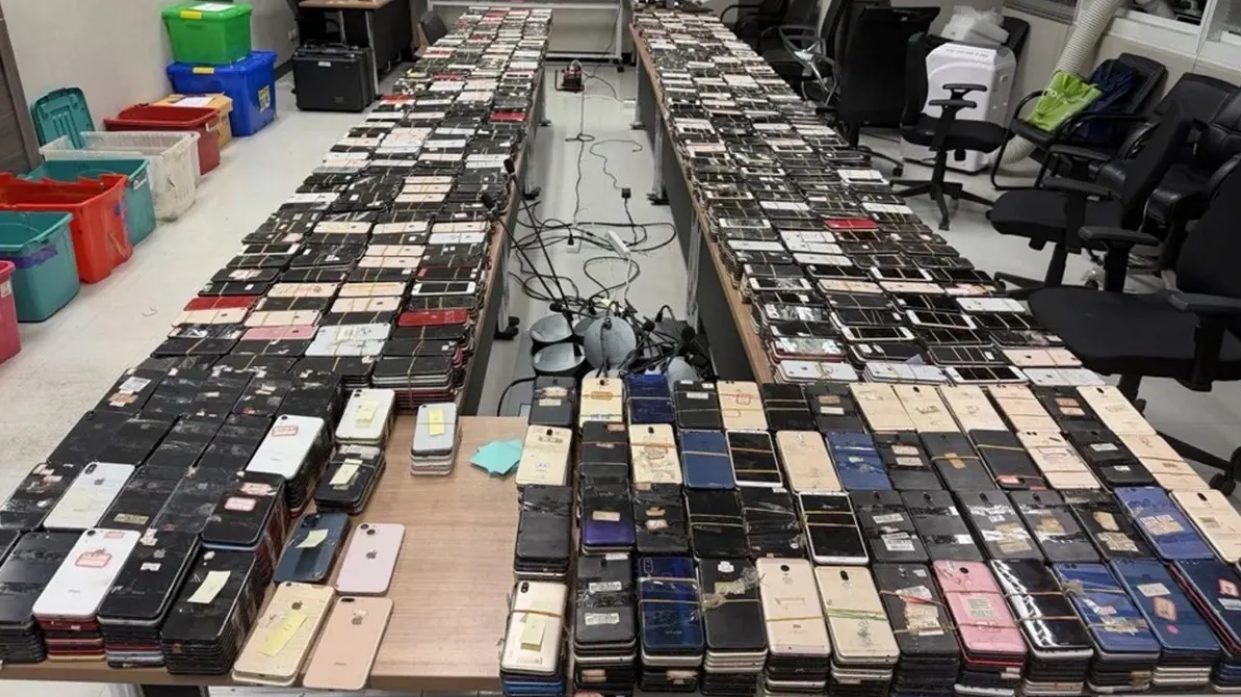
These weren’t basement hackers clicking away at lonely keyboards. The FBI dismantled what it calls “scam compounds”—guarded facilities across Asia, Africa, and the Middle East where trafficked workers operate under threat of violence. Nearly 2,000 people were freed from these digital slave operations, where victims lured with promises of legitimate jobs instead found themselves forced to run romance scams and fake investment schemes targeting Americans.
Think less “Nigerian prince email” and more “organized crime meets Silicon Valley efficiency.”
Following the Money Trail
Chen Zhi’s Prince Holding Group allegedly operated a multi-million dollar fraud network spanning multiple countries.
The operation’s crown jewel came from Chen Zhi, CEO of Cambodia-based Prince Holding Group, whose networks allegedly generated millions annually through these compounds. Each facility could pull in around $6 million per year, according to FBI estimates. Authorities arrested nearly 300 suspects worldwide, including 275 in Dubai alone, with six heading back to face federal charges in the U.S.
The scope resembles something from a Netflix crime series, except the victims lost real money—sometimes $3 million per person.
When Tech Giants Join the Fight
Starlink’s cooperation helped disrupt scam operations while FBI outreach prevented hundreds of millions in additional losses.
Even Elon Musk’s Starlink played a role, suspending over 7,000 satellite terminals the FBI identified as powering Myanmar scam operations. Meanwhile, the bureau’s proactive victim notification program—Operation Level Up—contacted 8,935 people actively being scammed, preventing an additional $562 million in losses. Here’s the kicker: 77% of those contacted had no idea they were being conned.
The seizure sounds massive until you consider the broader picture. Criminal syndicates steal roughly $64 billion annually from scam victims worldwide, according to the United States Institute of Peace. This record-breaking bust represents about 12% of one year’s global haul—a significant dent, but hardly the end of crypto-enabled crime.