Brown water filling kitchen taps shouldn’t be the price rural communities pay for America’s AI ambitions. Yet Rep. Alexandria Ocasio-Cortez held up two jars of murky water at a congressional hearing this week, demanding answers from EPA’s top water official about alleged contamination near a massive data center project in Morgan County, Georgia.
Jessica Kramer, EPA’s assistant administrator for water, agreed under oath to investigate the water quality issues. Her commitment puts federal regulators on record as reviewing potential drinking water impacts from AI infrastructure construction—even as the Trump administration fast-tracks data center permits nationwide.
Federal Review Could Signal Broader Scrutiny
EPA oversight marks rare moment where tech acceleration meets environmental justice claims head-on.
Kramer’s pledge represents more than bureaucratic due diligence. It suggests EPA may scrutinize how data centers affect local water systems, despite simultaneously promoting water reuse initiatives and prioritizing chemical approvals for AI projects under Executive Order 14318. The agency’s dual role—accelerating tech acceleration while protecting water quality—now faces real-world testing in rural Georgia.
Rural Residents Report Daily Water Crisis
Morgan County families rely on bottled water as construction blasting allegedly damages local infrastructure.
You probably take turning on the tap for granted. Morgan County residents can’t. They’ve reported appliances failing and wells producing discolored water since explosive blasting began for what locals describe as data center construction. Ocasio-Cortez’s site visit captured their reality in those brown water samples—a stark contrast to Silicon Valley’s gleaming server farms.
Data Centers Demand Staggering Water Resources
Single facilities consume up to 5 million gallons daily while federal policies accelerate approvals.
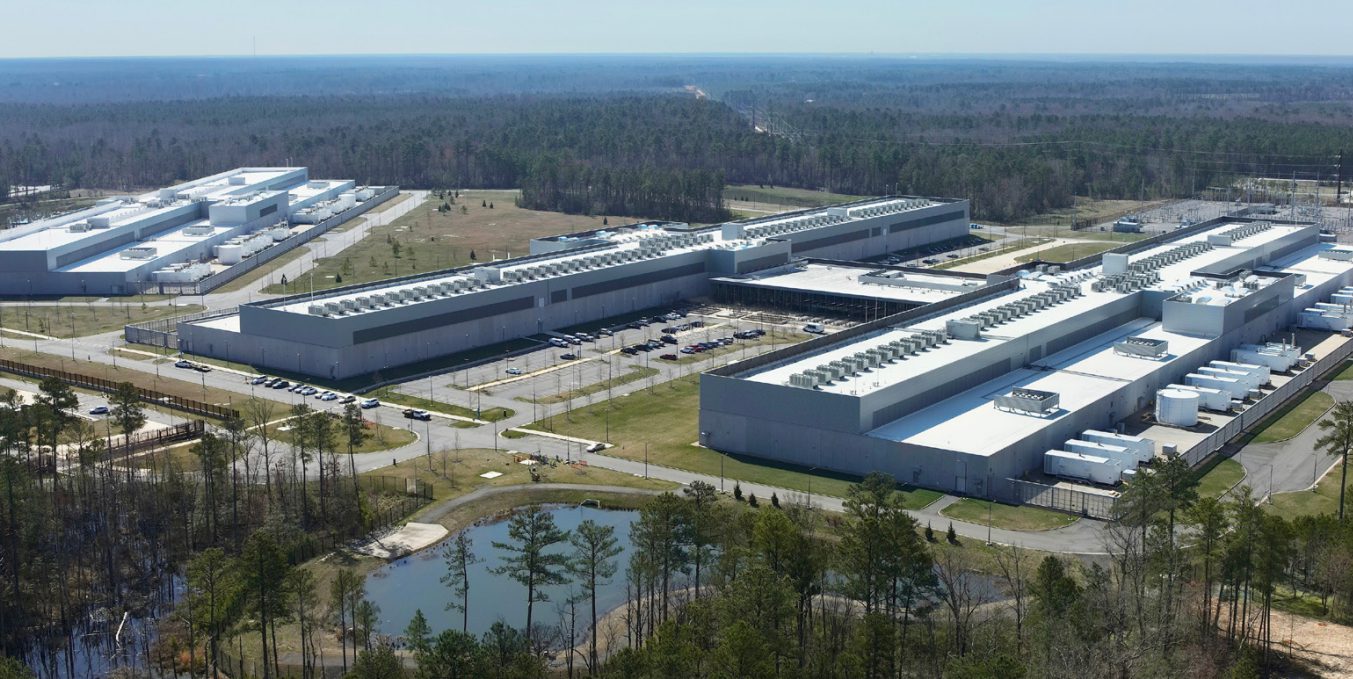
Large AI data centers gulp water like digital dinosaurs—up to 5 million gallons per day for cooling systems. That’s equivalent to more than 16,000 average households. Meta operates the Stanton Springs facility roughly 16 miles from the affected area, though the company hasn’t clarified connections to the construction residents blame for their water woes. Meanwhile, EPA Administrator Lee Zeldin champions data centers as deserving expedited permits.
The scale borders on absurd: Meta’s planned Wyoming data center will consume more electricity than every home in the state combined.
Environmental Justice Collides with Tech Growth
Progressive lawmakers push construction moratorium as communities bear infrastructure costs.
Before the hearing, Ocasio-Cortez and Bernie Sanders introduced legislation to pause new data center construction nationwide—a direct challenge to Washington’s AI-first mentality. Their bill has zero chance of passing, but it signals growing tension between national tech priorities and local environmental impacts. Food & Water Watch and other advocacy groups argue data centers are becoming “resource hogs” that strain vulnerable communities while delivering benefits elsewhere.
Future of AI Infrastructure Hangs in Balance
Morgan County case could reshape how federal agencies balance tech acceleration with water protection.
Will EPA’s review become a template for stricter data center oversight, or will it quietly disappear into regulatory bureaucracy? The answer matters beyond Georgia. As AI workloads explode and water scarcity spreads, communities nationwide face similar trade-offs between digital progress and basic resources.
You’re witnessing the collision between abstract AI promises and concrete environmental realities. The brown water in those congressional hearing jars tells a story no algorithm can optimize away.