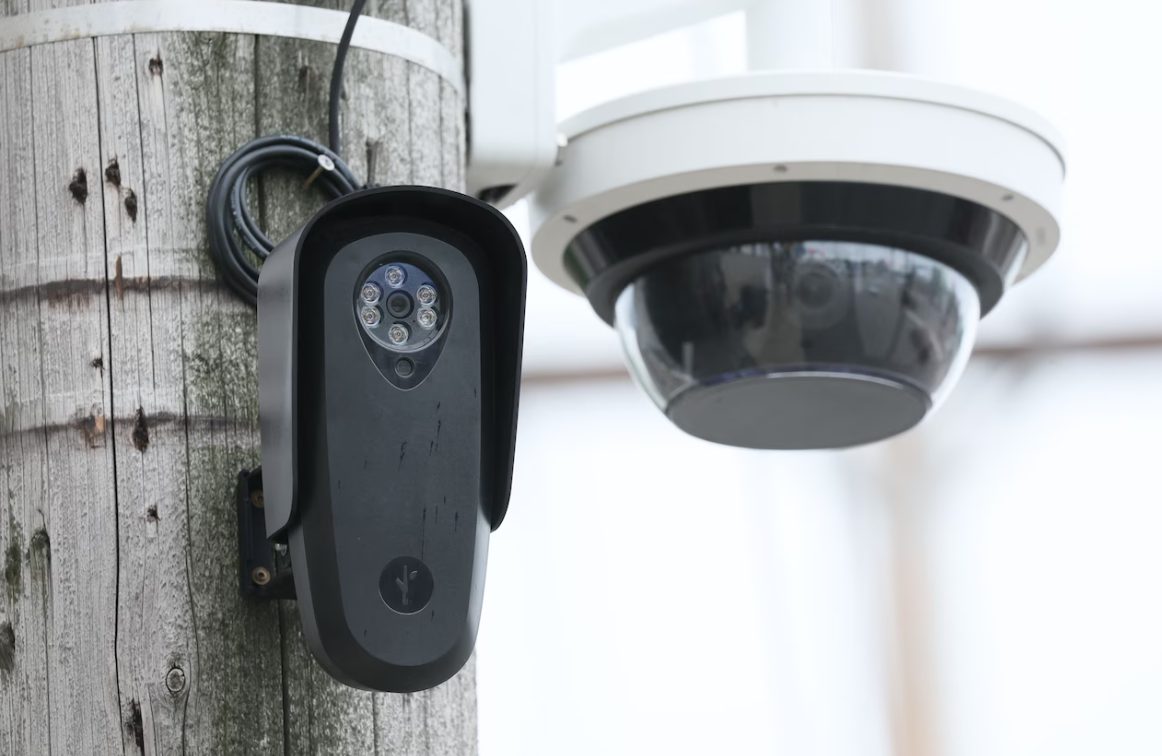
Audit logs don’t lie, but they sure can embarrass. Cleveland officials spent months assuring residents that their Flock cameras network couldn’t be used for immigration enforcement—right up until records revealed 163 immigration-related searches hitting the city’s system between December 28 and January 27. The searches appeared weeks after Cleveland supposedly activated an “immigration filter” designed to block exactly this type of access.
Out-of-State Agencies Accessed Cleveland Network
Texas and Florida agencies with ICE connections ran searches through Cleveland’s cameras despite local protections.
The problematic queries came primarily from agencies outside Ohio, including the Florida Fish & Wildlife Conservation Commission and Texas Department of Public Safety—both participants in the federal 287(g) program that deputizes local officers for immigration enforcement. Some Florida searches explicitly referenced “I.C.E.” in their descriptions. Meanwhile, Cleveland residents were told immigration searches “couldn’t happen” on their city’s cameras.
City Points Fingers at Vendor Configuration Error
Officials claim fire department drones were mistakenly classified as searchable devices in Flock’s national network.
Cleveland now argues these weren’t actual license plate searches but a Flock configuration mistake that temporarily pulled fire and EMS drones into the national search network. Public Safety spokesperson Jamil Hairston called it “a simple mix-up on behalf of Flock” and insisted “unequivocally” that no resident license plate data was exposed. Notably, Flock Safety hasn’t publicly confirmed this explanation, leaving the city’s technical defense hanging like a software update that never downloads.
Pattern Emerges Across Ohio Cities
Shaker Heights and Dayton documented thousands of immigration searches before policy changes and shutdowns.
Cleveland’s controversy isn’t happening in isolation. Shaker Heights discovered hundreds of immigration-related queries after activists obtained records—turns out the city had never activated its immigration filter. Dayton found approximately 7,100 immigration searches and shut down its entire Flock system indefinitely. The pattern suggests these “safeguards” work about as well as social media privacy settings: theoretically protective, practically porous.
Contract Renewal Faces Council Scrutiny
Activists and some council members question whether technical fixes can address structural surveillance concerns.
Activist Bryn Adams of the “Flock No” coalition expressed skepticism about the city’s drone explanation: “I don’t even know if I follow that explanation, let alone buy it.” With Cleveland’s Flock contract expiring June 28, Mayor Bibb has opted to send renewal to City Council rather than approve it administratively. The decision will test whether elected officials prioritize crime-fighting technology or address growing concerns that vendor-managed filters can’t reliably prevent federal immigration enforcement from accessing your neighborhood’s driving patterns.