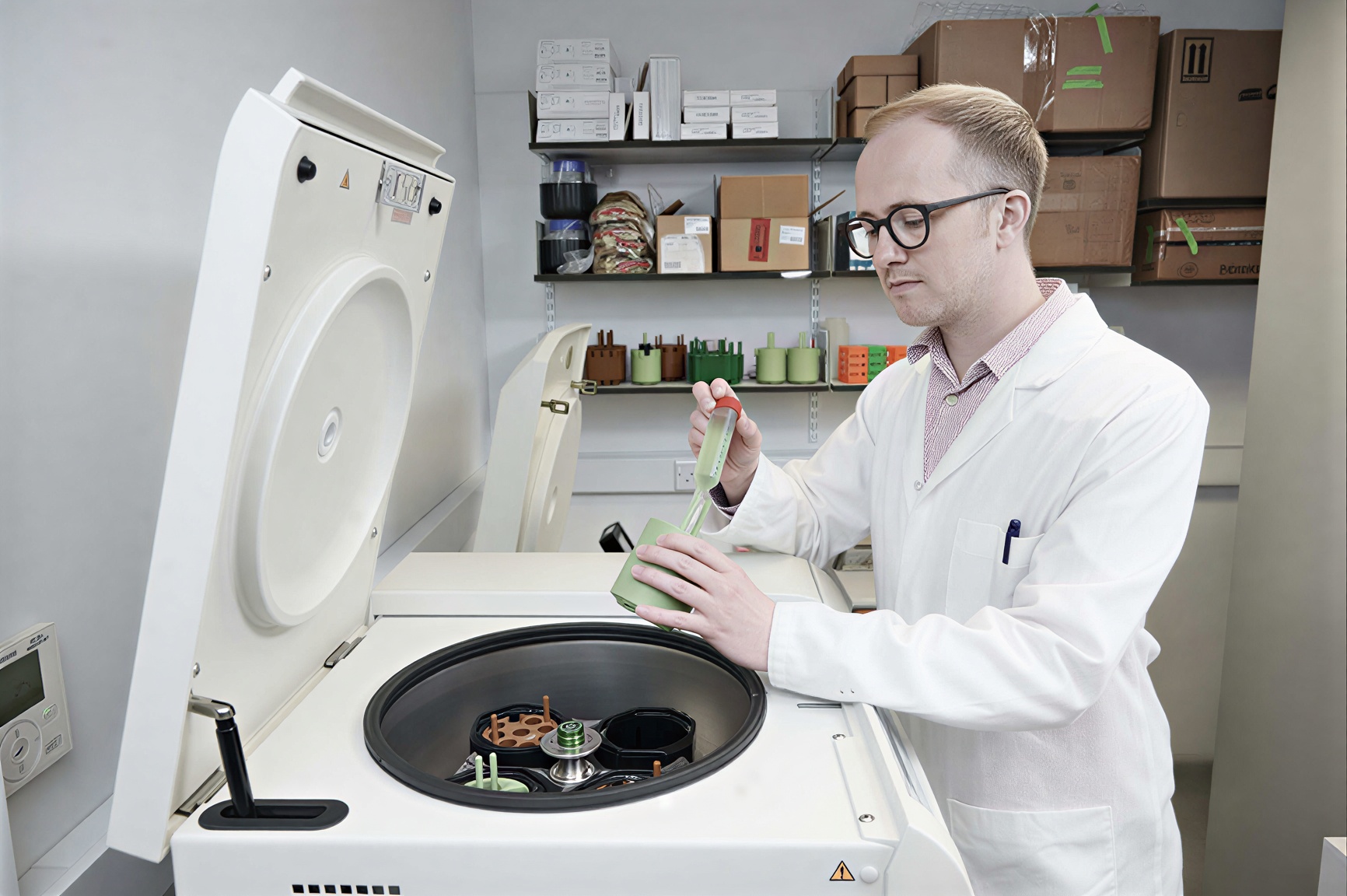
That water bottle you tossed yesterday could theoretically end up treating someone’s Parkinson’s disease. Scientists at the University of Edinburgh have engineered bacteria to convert everyday PET plastic waste into L-DOPA, a crucial medication for neurological conditions. Think of it as the ultimate recycling upgrade—instead of your trash becoming a park bench, it becomes life-saving medicine.
Bacterial Alchemy Transforms Waste Into Wonder Drug
Genetically modified E. coli bacteria break down plastic molecules and reassemble them into pharmaceutical compounds.
The process combines cutting-edge biotechnology with environmental innovation. Researchers genetically modified E. coli bacteria to first break down PET plastic into terephthalic acid, then rearrange those carbon molecules into L-DOPA (levodopa). This compound treats Parkinson’s disease and restless leg syndrome by replacing depleted dopamine in the brain. Your discarded beverage containers contain the exact molecular building blocks needed for this essential medication.
First-Ever Plastic-to-Brain Medicine Pipeline
This breakthrough marks the inaugural biological process converting waste plastic into neurological treatment.
Traditional pharmaceutical manufacturing relies heavily on fossil fuels and complex chemical synthesis. This Edinburgh innovation represents the first engineered biological system transforming plastic waste directly into medicine for brain disorders. With 50 million tonnes of PET produced annually—much ending up in landfills despite recycling efforts—the potential feedstock supply appears virtually limitless. Previous work by the same team successfully produced paracetamol from plastic waste.
From Environmental Problem to Medical Solution
Lead researcher explains how waste materials become valuable healthcare resources.
“Plastic waste is often seen as an environmental problem, but it also represents a vast, untapped source of carbon,” explains Professor Stephen Wallace, who led the research published in Nature Sustainability. “By engineering biology to transform plastic into an essential medicine, we show how waste materials can be reimagined as valuable resources that support human health.” The work emerged from the £14 million Carbon-Loop Sustainable Biomanufacturing Hub, funded by UK Research and Innovation.
Lab Success Faces Real-World Scaling Challenges
Researchers must optimize yields and costs before industrial pharmaceutical production becomes viable.
Currently demonstrated at laboratory scale, the technology faces typical biotech hurdles before reaching pharmacy shelves. The team needs to optimize bacterial efficiency, reduce production costs, and scale operations to industrial levels. Dr. Liz Fletcher from the Industrial Biotechnology Innovation Centre notes this approach “isn’t just a creative recycling idea, it’s a way of redesigning processes that work with nature.” Success could revolutionize bio-upcycling beyond medicine into cosmetics, fragrances, and industrial chemicals—turning your recycling bin into tomorrow’s medicine cabinet.