Your child’s school WiFi might be doing more than enabling online learning. As 364,000 American kids and teens now battle diabetes—a number that keeps climbing—a McGill University researcher has compiled evidence that electromagnetic radiation from cell towers, wireless devices, and power grids could be driving this metabolic mayhem.
The EMR-Diabetes Connection Gets Scientific Backing
McGill professor’s 280-citation review exposes regulatory blind spots.
Paul Héroux doesn’t mince words about current safety standards. The associate professor and vice chair of the International Commission on Biological Effects of Electromagnetic Fields has assembled over 280 studies. His research reveals how low-level EMR wreaks havoc on blood sugar regulation.
The findings show wireless radiation:
- Suppresses mitochondrial energy production
- Cranks up oxidative stress
- Lowers cellular pH—creating a perfect storm for insulin resistance
“Current EMR safety standards are inadequate for protecting long-term metabolic health,” Héroux states in his forthcoming book chapter. The FCC’s limits focus exclusively on heating effects. They completely ignore non-thermal cellular impacts that occur at everyday exposure levels.
It’s like designing car safety standards based only on explosion risks while ignoring fender-benders.
Kids Face a Perfect Storm of Exposure
Pediatric guidelines address obesity but ignore radiation concerns.
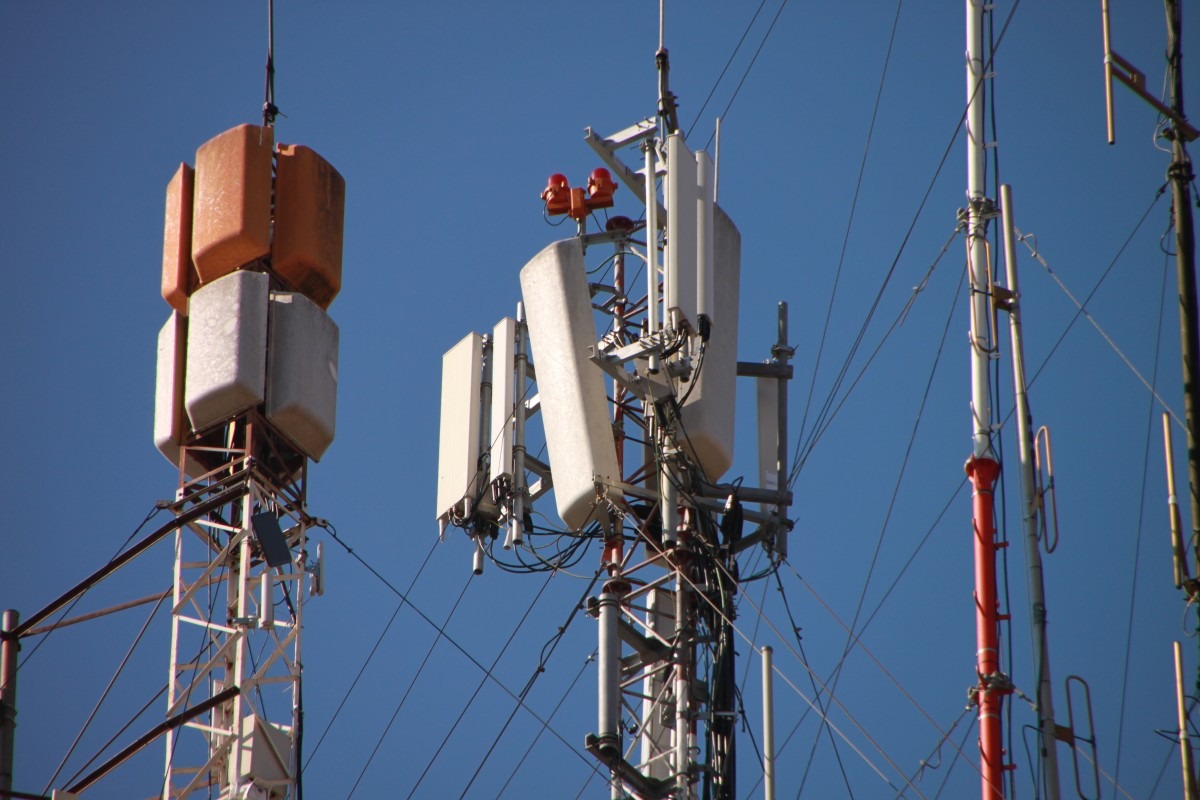
Today’s children swim in electromagnetic fields that would have seemed science-fictional decades ago. Cell towers blanket neighborhoods. Schools pump out WiFi signals. Smart devices accompany kids everywhere.
Meanwhile, the American Academy of Pediatrics readily endorses weight-loss drugs and surgeries for childhood obesity. Yet it hasn’t updated cellphone radiation guidance in roughly a decade.
The disconnect gets more troubling when you consider the biology. Even 5G’s shallow tissue penetration matters because skin tissues use insulin. Lower frequencies reach deeper organs like the pancreas.
Studies show women living within 10 meters of cell towers experience higher rates of headaches and depression. These symptoms mirror metabolic dysfunction patterns.
Héroux’s research suggests this constant exposure disrupts glucose handling. It works through reactive oxygen species that trigger cellular damage linked to diabetes, Alzheimer’s, and metabolic syndrome.
Yet regulatory agencies like IEEE and ICNIRP continue dismissing non-thermal effects as unreplicated. This persists despite mounting epidemiological evidence.
The implications demand serious attention as calls grow for pediatric protections. Our kids deserve safety standards that match the wireless reality they actually inhabit.