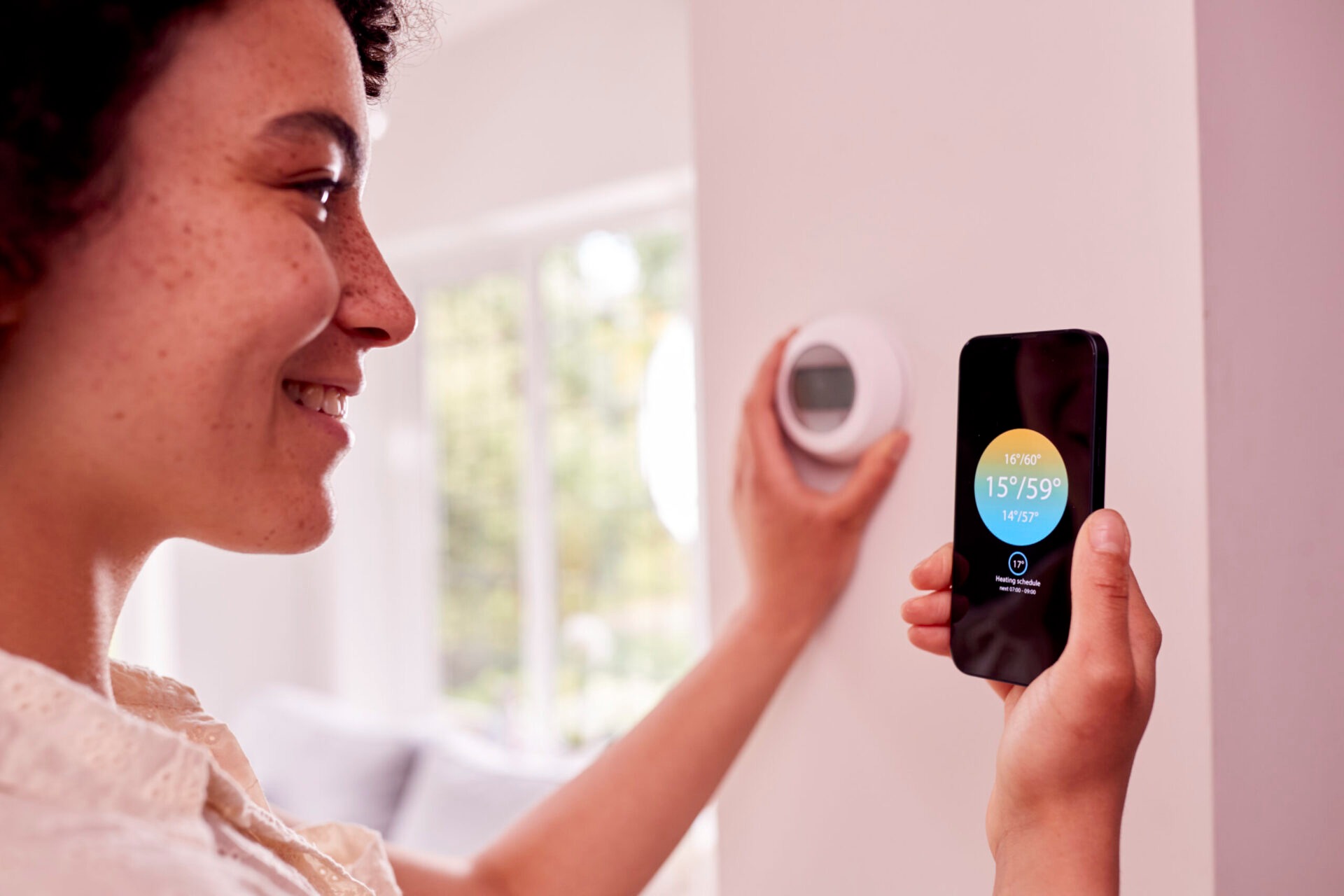
That cozy feeling when your smart thermostat adjusts before you walk through the door? Your device isn’t just reading the room—it’s reading you.
Smart thermostats collect far more data than most homeowners realize. While you’re enjoying the convenience of remote temperature control, devices like ecobee and tado° are logging temperature changes greater than 0.1°C every few seconds, tracking your smartphone’s location through geofencing, and recording motion patterns in five-minute intervals. Your thermostat doesn’t just know when you’re home—it knows your sleep schedule, daily routines, and energy habits plotted at 15-minute intervals.
Beyond Temperature Control
Motion sensors reveal behavioral patterns that extend far beyond climate comfort.
These devices use strategically placed motion sensors to detect occupancy throughout your home, inferring everything from which rooms you frequent to your sleep and wake patterns. Ecobee’s “Donate Your Data“ program takes this further, collecting anonymized motion data for public health surveillance research.
The company can determine house style, square footage, and number of occupants without ever stepping inside. Your thermostat essentially becomes a behavioral scientist, learning your habits better than some family members do.
The Data Economy Behind Your Comfort
Energy companies and researchers benefit from aggregated household patterns at an unprecedented scale.
This information doesn’t stay locked in your basement. Aggregated data support:
- Grid demand balancing enables dynamic pricing strategies by energy providers
- Product improvements by manufacturers using behavior patterns
- Energy efficiency studies by researchers analyzing anonymous datasets
Your home’s data gets retained for 12 months, creating detailed profiles that would make Netflix’s recommendation algorithm jealous. The trade-off feels invisible until you consider how much your daily routine reveals about your life.
Privacy in the Age of Smart Everything
Encryption and opt-in programs address some concerns, but transparency remains inconsistent.
Most manufacturers offer opt-in data sharing programs with encryption, though many hesitate to fully disclose what gets collected or shared. The anonymization process typically withholds specific details like sensor placements, but behavioral patterns remain remarkably identifiable.
Your thermostat’s privacy settings deserve the same attention you’d give social media platforms—perhaps more, since this device monitors your most private space 24/7.
The convenience of smart thermostats isn’t going anywhere, but understanding their data appetite helps you make informed choices about which features to enable and what information you’re comfortable sharing.