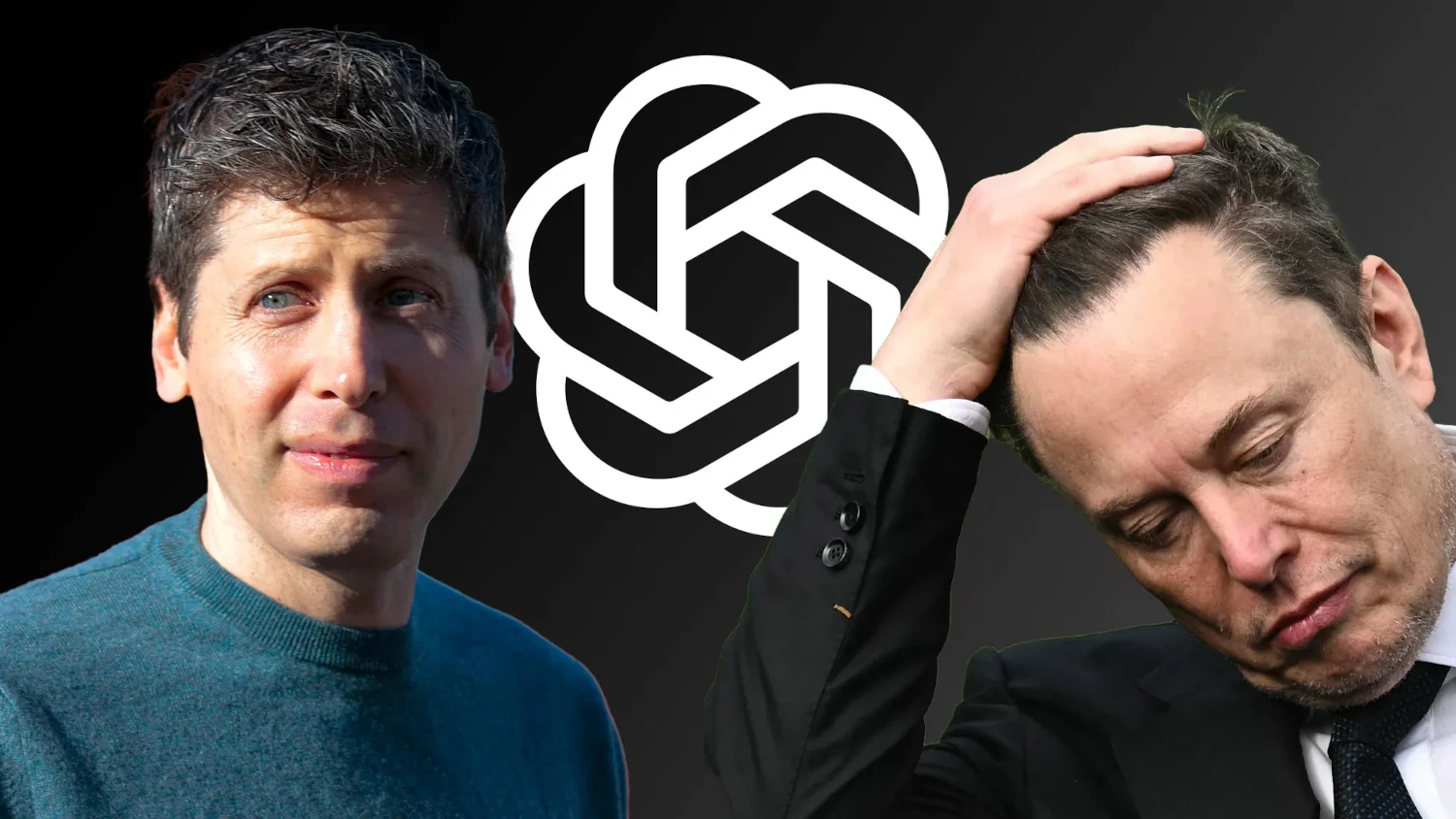
DRAM is under pressure. Data centers are consuming memory at a pace that is pushing up prices and tightening supply for consumer PC components, and two of tech’s most prominent figures now have very public, very opposing views on what to do about it.
OpenAI CEO Sam Altman argued for cloud-first allocation. Elon Musk responded with a Tarantino meme.
What Altman Actually Said
Altman’s comments were an efficiency argument about scarce resources, not a proposal to strip memory from personal computers.
Altman made the remarks during an appearance on Cheeky Pint, a YouTube program hosted by Stripe co-founder John Collison. The conversation centered on local AI inference and whether open-source models should run directly on personal computers.
Altman called it “quite terrible” for large amounts of the world’s limited DRAM to sit in personal computers and be used only 5% of the time. Shared cloud infrastructure, he argued, keeps memory more fully utilized because it serves many users simultaneously rather than remaining largely idle inside a single machine.
No evidence in available reporting indicates he proposed removing RAM from consumer devices. The remarks were a supply-allocation argument, not a policy proposal.
Musk’s Answer, Delivered via Colonel Landa
Musk turned a resource-efficiency argument into a populist punchline with a single post.
On November 1, 2026, Musk posted his response on X. The post featured a meme using Colonel Hans Landa, the German officer played by Christoph Waltz in Quentin Tarantino’s Inglourious Basterds, with the caption: “The people deserve to have their RAM too!”
The framing cast Altman’s cloud-first logic as a threat to ordinary users’ hardware. It was a rhetorical response, not a technical rebuttal.
Why the Exchange Hit a Nerve
The dispute landed because consumers are already feeling the effects of tighter memory supply and higher component prices.
The timing mattered. Consumer PC builders are already dealing with constrained memory availability and higher component prices. Those pressures are partly driven by data-center demand competing with the consumer electronics market for overlapping segments of the DRAM supply.
Against that backdrop, an argument that idle PC memory represents a global inefficiency read to many readers as a rationale for redirecting that supply away from them.
The Substantive Stakes
Both sides of the argument reflect genuine tradeoffs between centralized efficiency and individual ownership.
Altman’s efficiency case has real merit at the infrastructure level. Pooled cloud memory can be shared across customers and updated centrally, supporting far more simultaneous users than a single machine’s RAM can serve.
Consumer ownership of local memory also carries real advantages that utilization rates do not capture. Local hardware provides privacy, offline access, lower latency, resilience during outages, and freedom from recurring subscription costs. Those are not trivial concerns for users who want capable AI tools without permanent dependence on a paid cloud service.
It is also worth noting that OpenAI benefits commercially when users rely on its hosted models rather than running open-source alternatives locally. That observation does not establish that Altman’s remarks were commercially motivated, but it helps explain why many readers received them with skepticism.
The 5% Figure Needs Context
Altman’s utilization figure is his own characterization, and available reporting does not supply a methodology.
Altman’s 5% claim is his own estimate. Available reporting does not establish a methodology, and it is unclear whether the figure measures memory occupancy, time under intensive load, or another metric entirely.
RAM also does considerably more than support AI workloads. It supports the operating system, active applications, caching, and multitasking simultaneously. A utilization figure that strips out those functions is not an obvious measure of whether consumer memory is being wasted, and the broader dispute over who deserves access to the world’s DRAM supply is unlikely to be settled by a single number from a podcast appearance.