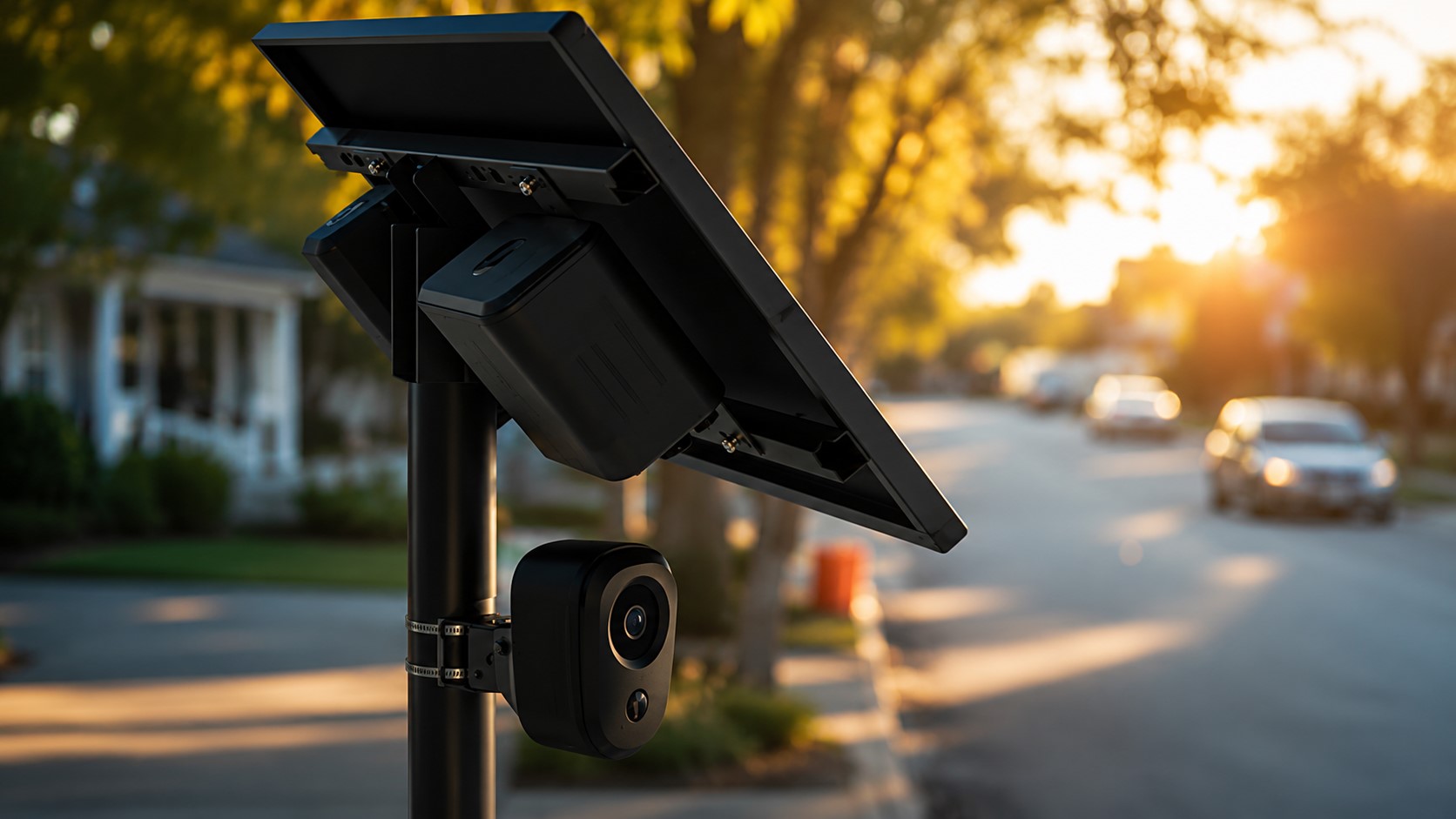
Masked federal agents arrived in unmarked SUVs, wearing balaclavas and bearing out-of-state plates, without notifying Columbus Police. That was the week before Christmas 2025. Columbus Police Deputy Chief Tim Myers responded by running 54 searches on the city’s Flock Safety license plate camera network — not to help ICE, but to track where its agents were operating. That distinction is doing a lot of heavy lifting right now. A July 2026 audit uncovered more than 15,000 possible immigration-related searches of that same system, almost all by outside federal agencies, putting Columbus’ 2017 ban on using city resources for civil immigration enforcement under serious strain.
Watching the Watchers: What Myers Actually Did
Myers ran 54 targeted Flock searches during a single week — the only time he ever personally used the system.
Those searches, logged between December 17 and 22, 2025, were categorized mostly as “other law enforcement purpose.” Several targeted out-of-state plates matching descriptions of unmarked ICE vehicles operating during the surge known as Operation Buckeye.
His rationale is coherent. ICE wasn’t coordinating with Columbus Police, creating real risk that local officers could stumble into armed federal agents in plainclothes — or someone impersonating them. “I was monitoring immigration enforcement occurring within the city, not assisting with it,” Myers told The Columbus Dispatch. He framed the decision as a matter of leadership accountability: “I won’t ask people to do something I’m not willing to do myself.”
Operation Buckeye’s scale helps explain why Myers felt that monitoring was necessary. During that week:
- ICE arrested roughly 240 people across Ohio
- A Dispatch analysis of ICE data found less than 7% had any criminal record, and most of those convictions were for non-violent offenses
- The vast majority of those arrested were from Latin America
- Agents used unmarked vehicles and face coverings throughout
- Protests erupted outside a hotel believed to house ICE personnel
- Immigrant-owned businesses reported declining foot traffic in the aftermath
Notably, overall Columbus Police Flock usage did not spike department-wide — Myers’ cluster of searches stood apart.
The Bigger Problem: 15,000 Searches and a Policy With Holes
The audit revealed that outside federal agencies — not Columbus officers — drove nearly all of the system’s immigration-related queries.
Out of approximately 19.6 million total Flock searches logged since late 2023, auditors flagged 15,577 as possibly immigration-related. Nearly all came from outside agencies. Homeland Security Investigations — technically a directorate within ICE — ran nearly 200 queries that could have pulled Columbus plate data through the statewide network Columbus participates in. ICE itself logged zero direct searches of Columbus data, but the statewide network created an indirect pathway. It’s a bit like discovering that a neighborhood’s shared security camera feed was being accessed by people who never knocked on anyone’s door.
Mayor Andrew Ginther ordered Columbus Police to halt statewide Flock data sharing and stated plainly: “Our data will not be used for the possible purpose of immigration enforcement, by anyone.” The city subsequently cut direct data exchanges with agencies holding formal ICE collaboration agreements. But policy language has limits. As one tech policy source cited by WOSU explained, “What has actually happened is ICE just goes to a friendly local police department and says, ‘hey can you run a search for us.’” That backdoor doesn’t close with a press release. The reach of a surveillance app — or network — rarely stops at the boundaries its creators intend.
Columbus Police say Flock contributed to roughly 60% of homicide arrests last year — they are not abandoning the system. But with more than 1,700 immigration-related searches logged even after new filters were installed, the promise that city resources stay separate from deportation operations is one the technology keeps quietly complicating. Whether other officers used Flock similarly during Operation Buckeye, and what — if anything — Myers’ monitoring actually revealed about agent conduct, remain questions Columbus Police have not publicly answered.