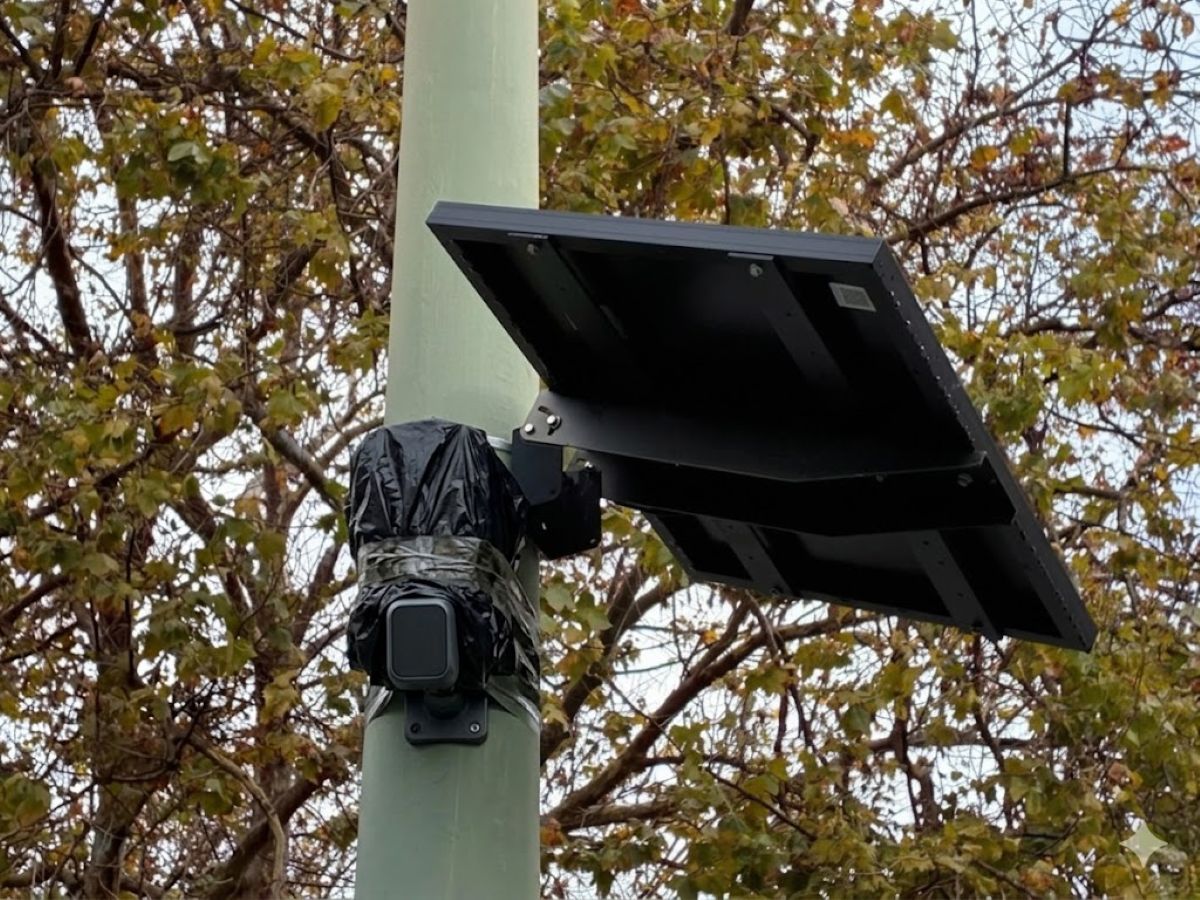
Black trash bags fluttering over sleek surveillance cameras tell you everything about how “smart city” policing went sideways. In Dayton, Ohio, city workers are literally covering license plate readers with garbage bags because that’s the only way officials can guarantee the devices aren’t secretly feeding data to federal immigration enforcement. This isn’t some Luddite rebellion against technology—it’s what happens when cities discover they signed surveillance contracts that give them less control than a Netflix subscription.
The Accidental Data Pipeline to ICE
Dayton’s surveillance scandal exposes how easily local crime-fighting tools become immigration enforcement networks.
Dayton’s nightmare started when police discovered their Flock Safety cameras had been sharing resident vehicle data with Immigration and Customs Enforcement and Homeland Security—supposedly by accident. According to reporting, an officer failed to configure privacy settings that would have blocked federal sharing. The department suspended the cameras after discovering the data flow, but the damage was done.
Think about that for a moment. One misconfigured setting turned local crime-fighting tools into an immigration surveillance network. The same cameras pitched as community safety devices were quietly building profiles that could target your neighbors for deportation.
Trapped by Their Own Contracts
Municipal officials discover they don’t actually control the surveillance hardware on their own streets.
Here’s where the story gets truly dystopian. When Dayton officials tried to shut off the cameras permanently, they hit a wall: Flock owns the hardware. Cities can’t just unplug them or tear them down without potentially breaching contracts filled with penalties and termination clauses.
Deputy City Manager Joe Parlette told commissioners that bagging cameras was a stopgap “until Flock cameras could be removed entirely”—acknowledging the city was still working through the process of getting rid of devices on their own streets. This reveals an uncomfortable truth about municipal technology: cities can become tenants in their own surveillance systems.
The Evanston Precedent
Illinois city’s struggle with unauthorized camera reinstallation shows a broader pattern of vendor control.
Dayton isn’t alone in this digital quicksand. Evanston, Illinois terminated its Flock contract, only to discover the company had allegedly reinstalled cameras without permission. The city issued a cease-and-desist letter and covered cameras with trash bags while waiting for Flock to remove them.
Civil liberties groups like the ACLU argue that Flock is building a “dangerous nationwide mass-surveillance infrastructure” that transforms traditional license plate readers into something far more invasive. Flock counters that cities “control their data” and federal sharing is “default off,” but Dayton’s experience suggests those controls are more fragile than advertised.
The trash bag solution reveals what happens when “smart” infrastructure becomes politically toxic. Sometimes analog solutions are the only escape hatch available when you discover you’re not really in control of the technology deployed on your own streets.