




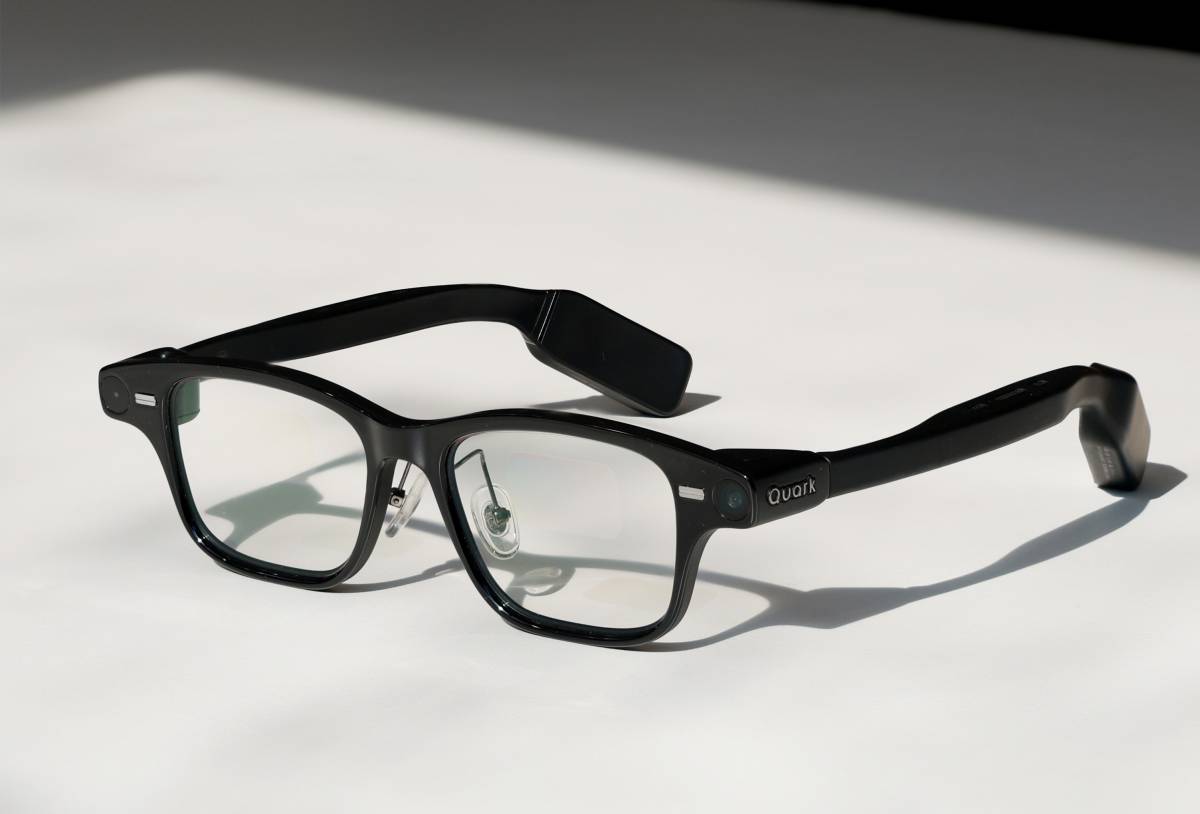
While Meta burns billions chasing metaverse fantasies, Chinese smart glasses are quietly solving problems you actually have. Alibaba’s new Quark AI Glasses don’t just buzz when you get a text—they monitor your posture during long work sessions and remind you to hydrate after that third espresso. This proactive AI approach makes Ray-Ban’s reactive notifications feel like a Nokia compared to an iPhone.
The Ecosystem Advantage Meta Can’t Match
Chinese glasses integrate seamlessly with daily services that Western brands simply can’t access.
Your glasses scanning a QR code to split dinner bills through Alipay, or booking a ride while walking to the subway—that’s the reality Alibaba’s 4,699 yuan ($659) glasses deliver according to Tmall listings. The Qwen AI model powers real-time translation and traffic assessments that adapt to your calendar, something Meta’s $299-$379 Ray-Bans can’t touch in China. When your glasses know you’re running late and automatically suggest faster routes while ordering your usual coffee, you’re experiencing AI that actually anticipates instead of just responding.
A Crowded Race for Smart Glass Supremacy
Multiple Chinese brands are pushing smart glasses beyond Meta’s basic notification model.
Alibaba isn’t alone in this push. Xiaomi offers AI glasses with electrochromic lenses and extended battery life for $280-$420, while Baidu’s Xiaodu glasses launch early 2025 with 16MP cameras and Ernie AI integration as reported by tech industry analysts. Huawei adds health monitoring that detects cervical fatigue—because apparently your neck posture matters more than taking photos of your lunch. This isn’t one company experimenting; it’s an entire ecosystem racing past Western competitors focused on social media integration.
The December Test for Holiday Shoppers
Holiday 2025 shipping puts Chinese smart glasses directly against established Western options.
December 2025 delivery timing according to Alibaba’s announcement positions these glasses as premium holiday gifts, targeting China’s massive wearable market when spending peaks. You’re looking at display-equipped versions competing directly against Meta’s $800 Ray-Ban Display models, but with AI that learns your habits instead of just showing notifications. The real question isn’t whether Chinese consumers will embrace smarter glasses—it’s how long before these features become global standards that make current Western options look primitive.


























