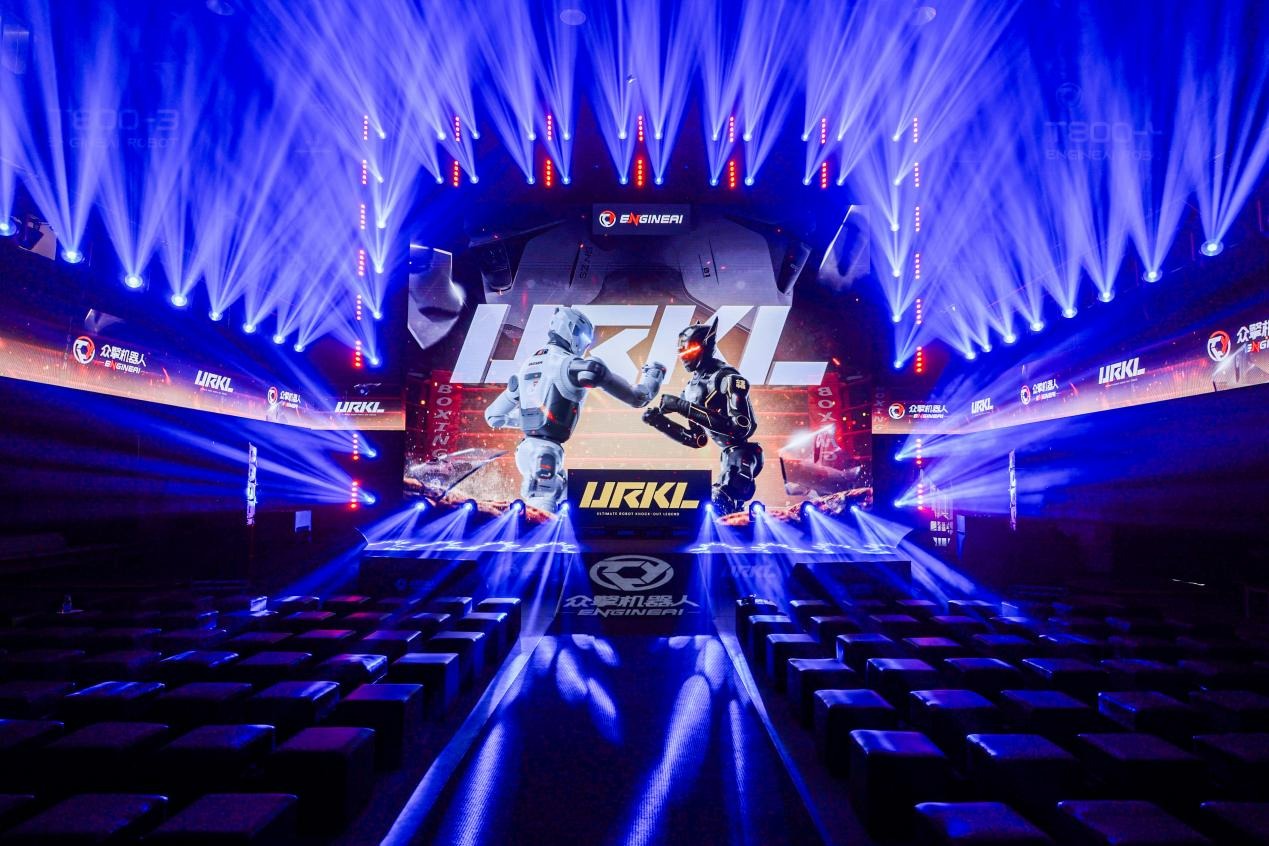
Humanoid robotic throwing flying kicks and capoeira spins while a crowd cheers? This isn’t some Black Mirror fever dream—it’s the Ultimate Robot Knockout Legend, launching February 9, 2026, in Shenzhen. EngineAI is handing out free T800 humanoid robots to 16 teams, then watching them battle for a 10 million yuan championship prize. The twist? This gladiatorial spectacle doubles as the most intense R&D stress test imaginable.
Built Like a Tank, Moves Like Bruce Lee
Aviation-grade materials and 450 Nm torque enable combat-ready industrial applications.
The T800 stands 1.73 meters tall and weighs 75kg—basically a robotic heavyweight fighter with gymnast reflexes. Aviation-grade magnesium-aluminum panels protect 29 degrees of freedom in the body, plus dexterous hands that can manipulate objects or throw devastating punches. Its 450 Nm peak torque motors generate enough force for those viral kung fu moves while 360-degree LiDAR ensures millisecond obstacle avoidance. Four hours of solid-state battery power means these machines can outlast most human athletes.
Combat as Quality Assurance
Extreme stress-testing could accelerate robotics development by decades.
While traditional humanoid development involves careful lab testing, EngineAI chose violence as validation. According to robotics expert Tian Feng, combat stress-testing could cut development cycles by 30%, rapidly exposing weaknesses in balance, durability, and real-time decision-making. When your robot needs to dodge a flying kick while maintaining stability, you discover engineering problems that sterile warehouse simulations miss entirely. It’s like crash-testing cars, but with more spectacular failures.
Industrial Reality Check
Critics worry combat focus may overshadow steady manufacturing applications.
Industry analysts warn that optimizing for combat spectacle might divert attention from boring but profitable applications—like the 10-15kg lifting capacity that makes these robots valuable for logistics and manufacturing. At $25,000 per unit, the T800 targets mass production for industrial automation, not entertainment. The question remains whether robots trained to throw punches will excel at stacking boxes or assembling components with the reliability manufacturers actually need.