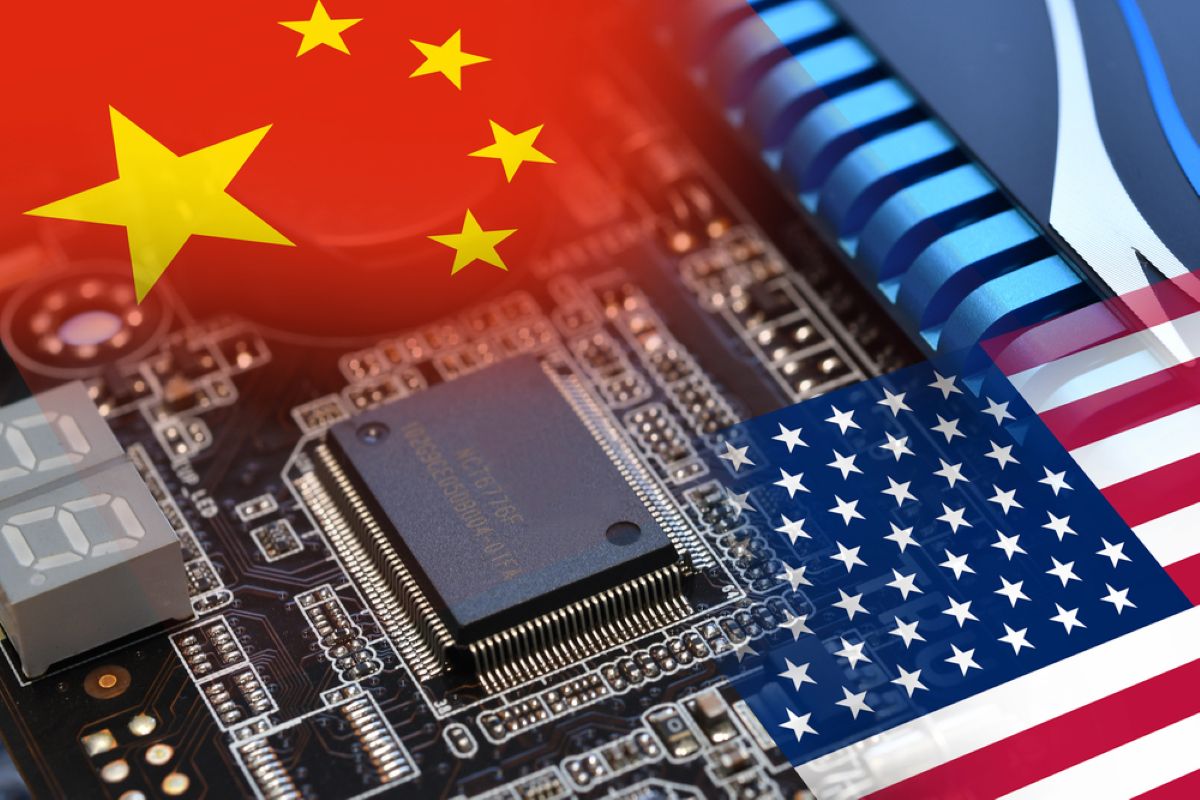
Dead zones in global AI access might become reality if China’s reported $295 billion data center plan moves forward. Bloomberg sources describe a five-year blueprint that would prioritize Chinese chip makers while sidelining Nvidia and AMD from the world’s second-largest economy.
The numbers tell the story of ambition meeting nationalism. Beijing’s National Development and Reform Commission is reportedly drafting plans for 2 trillion yuan ($295 billion) in AI computing infrastructure, with China Mobile and China Telecom handling operations. Think of it as China building its own internet backbone, but exclusively for artificial intelligence.
The 80% Rule Changes Everything
Domestic content requirements could reshape the global chip landscape.
The proposed arrangement demands at least 80% of hardware and software come from Chinese vendors like Huawei Technologies. For context, that threshold would essentially ban Nvidia’s H100 and A100 chips from state-backed projects—the same processors powering ChatGPT and most cutting-edge AI chips consumers use daily.
Nine domestic chip designs earned security clearance last month, including products from:
- Huawei
- Alibaba’s semiconductor division
- Shanghai Biren Technology
- Moore Threads Technology
These alternatives might not match Nvidia’s raw performance, but they’re apparently good enough for Beijing’s infrastructure goals.
Your AI Services Could Feel the Split
Parallel computing ecosystems may limit cross-border AI innovation.
This isn’t just industrial policy—it’s digital balkanization with real consequences for consumers. If China builds AI infrastructure around domestic chips while the West relies on Nvidia, you could see fragmenting in AI services, apps, and capabilities depending on where they’re developed.
Additionally, the plan excludes private spending from giants like Alibaba and Tencent, meaning the actual economic footprint could hit 5 trillion yuan when power grid upgrades and corporate investments get factored in. That’s roughly the entire GDP of Germany dedicated to AI infrastructure over five years.
The Uncertainty Factor
Early-stage discussions leave room for significant changes.
Bloomberg emphasizes these remain early discussions, not finalized policy. The scope, supplier rules, and funding structure could shift before implementation. But the direction of travel seems clear: China wants AI self-reliance, and it’s willing to spend unprecedented amounts to achieve it.
The question isn’t whether this plan makes economic sense—it’s whether the rest of the world can afford to let China build a parallel AI ecosystem without access to the best available technology.