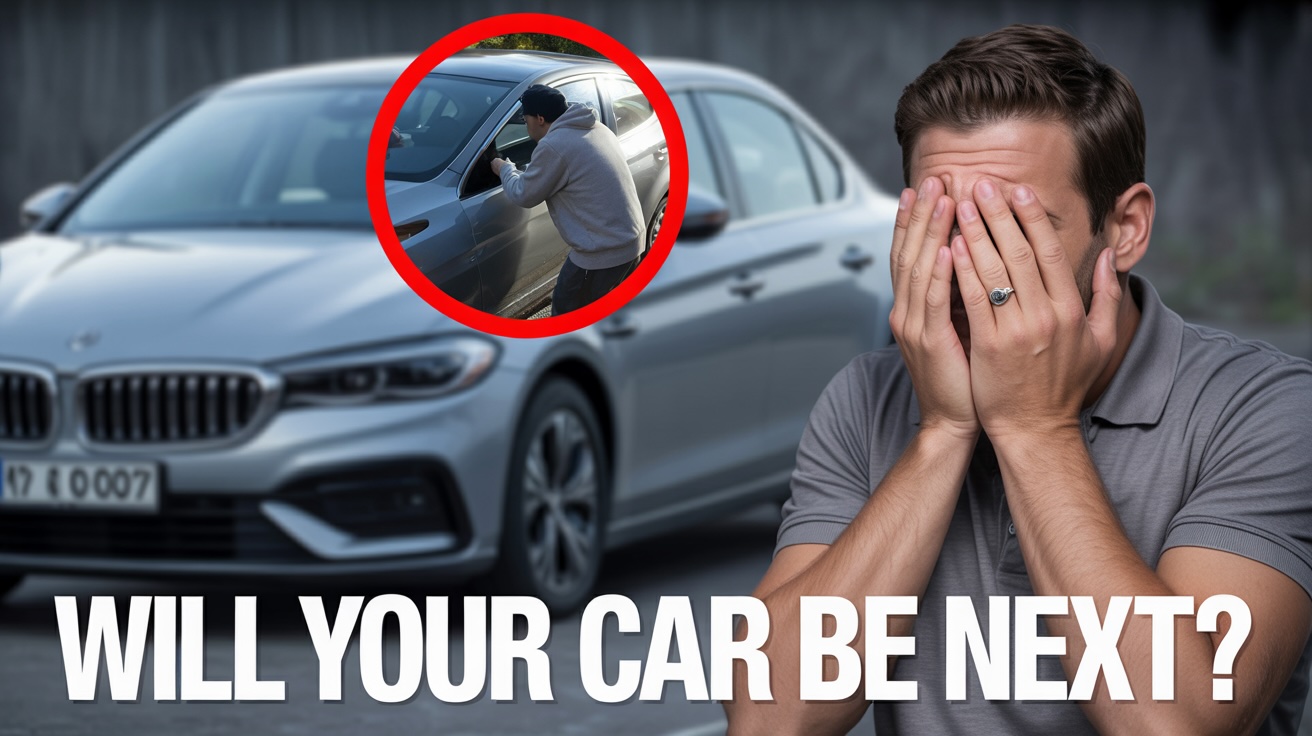
Your keys rest safely on the nightstand, your car sits locked in the driveway, and you sleep soundly knowing your BMW, Toyota, or Ford is secure. Meanwhile, two thieves position themselves outside—one near your house, one by your vehicle—and steal your car in under a minute without breaking anything. Welcome to relay theft, the silent epidemic targeting millions of keyless entry vehicles across every major brand.
This isn’t some Ocean’s Eleven heist requiring specialized skills. The attack uses two radio devices that extend your key fob’s signal far beyond its intended range. The thief near your home captures the wireless conversation between your car and key, while their partner by the vehicle receives and retransmits those signals. Your car believes the key is right there, unlocks obediently, and starts without protest.
Security testing by Germany’s ADAC has demonstrated successful relay attacks on vehicles from BMW, Peugeot, Toyota, Ford, and Volkswagen—proving this vulnerability spans the industry. UK police and tracking firms report a month-to-month increase in keyless vehicle thefts, with one Tracker executive warning that “criminal gangs are routinely using relay devices to exploit weaknesses in keyless security systems across a broad range of manufacturers.”
The equipment reaches through walls and windows from over 300 feet away, making even upstairs bedrooms vulnerable. These attacks leave no broken glass or forced locks, so incidents often appear as if the car was left unlocked with keys inside.
The simplest defense costs under $20: a Faraday pouch that blocks all radio signals when your keys are stored inside. Test any signal-blocking container by trying to unlock your car while the key sits inside—if it still works, find a better pouch. This essential security measure is just one of many precautions that car owners should consider for comprehensive vehicle protection. You can also:
- Disable keyless entry entirely on many vehicles by asking your dealer
- Keep keys as far from doors and windows as possible
- Install aftermarket PIN immobilizers that require a secret code before the engine starts
Old-school steering wheel locks add another layer of deterrence. Even if thieves bypass the electronic barrier, physical obstacles make the theft less attractive and buy time for detection.
Ultra-wideband technology promises relay-resistant digital keys, but current UWB implementations often still rely on hackable Bluetooth for core functions. Until manufacturers deploy truly secure distance-bounding protocols, your Faraday pouch remains the most reliable shield against thieves who’ve turned automotive convenience into opportunity.