Jalil Richardson spent 93 days behind bars for crimes committed 400 miles from his North Carolina home. His alibi? Work timecards proving he was clocking in while someone else allegedly sold a stolen car in Jacksonville. His crime? Looking similar enough to trigger an 85% match in Florida’s facial recognition system.
Richardson’s nightmare mirrors that of Robert Dillon, a Fort Myers crabber who posted his truck title as bond after being flagged as a 93% match for child luring in Jacksonville Beach—a city he’d never visited. Dillon had distinctive cancer scars running down his face that clearly differed from surveillance footage, yet the arrest proceeded anyway. Both men eventually had charges dropped, but only after losing jobs, homes, and months of their lives to a system that treats similarity scores like probability percentages.
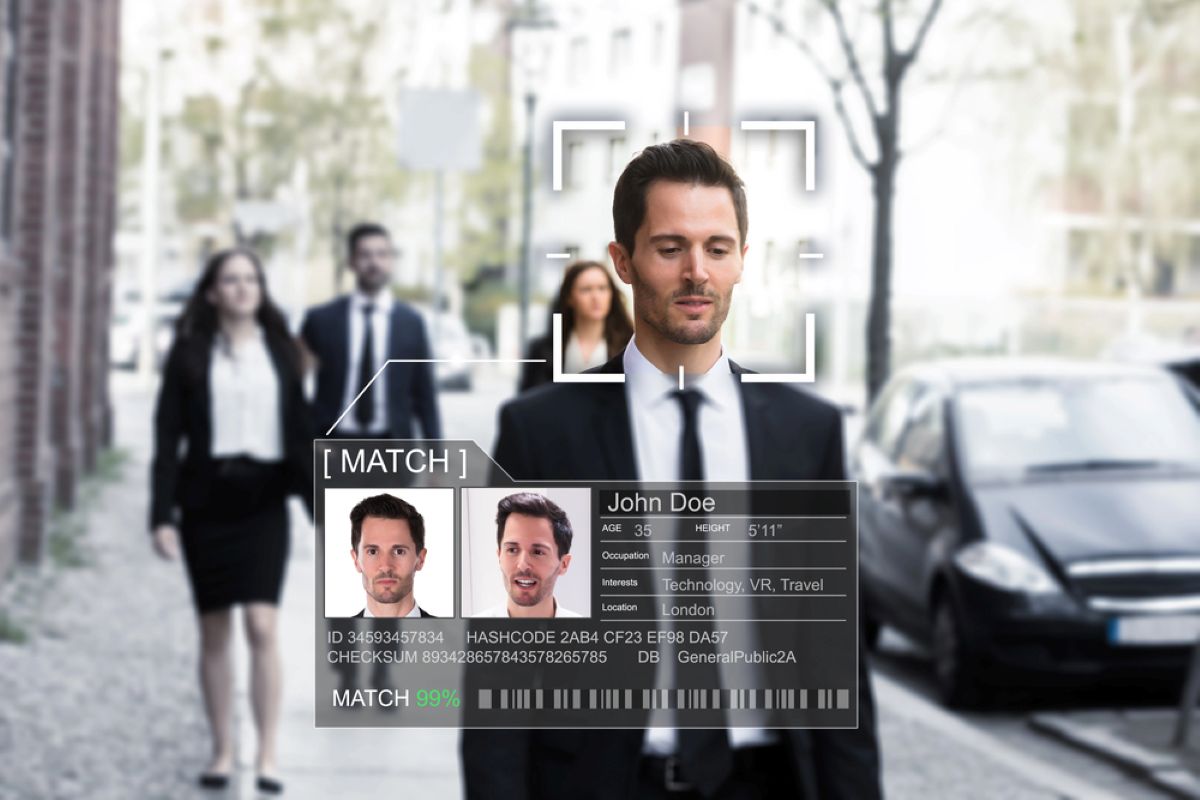
Here’s the troubling reality about those confidence numbers: they’re essentially meaningless as indicators of guilt. FACESNXT—the facial recognition program used by more than 240 Florida agencies—doesn’t actually identify suspects. It creates ranked lists of people who look similar to grainy surveillance photos, often taken as cellphone pictures of computer screens.
When ACLU attorney Nathan Freed Wessler calls the technology “fundamentally dangerous,” the documented cases support his assessment. Police took cellphone photos of surveillance screens, ran them through the system, then treated algorithmic guesses as investigative gospel. In both Richardson’s and Dillon’s cases, clear exculpatory evidence—work timecards, distinctive facial scars, and license plate data showing no vehicle presence—was either ignored or omitted from warrant applications.
The Jacksonville Sheriff’s Office insists facial recognition serves as just “one tool among many,” pointing to photo lineups and witness identifications that supposedly provided additional confirmation. But those safeguards become worthless when the AI result contaminates everything else—witnesses choosing between the algorithm’s top pick and random fillers are structurally biased toward the innocent look-alike.
This pattern extends far beyond Florida’s borders. The ACLU has documented over a dozen similar wrongful arrests nationwide, including cases where people spent months jailed for crimes in other states. More than twenty cities have banned police facial recognition entirely, recognizing what Florida agencies apparently haven’t: when you’re gambling with people’s freedom using error-prone technology, innocent people inevitably pay the price. Until meaningful safeguards replace blind faith in algorithms, cases like Richardson’s and Dillon’s will continue multiplying across America’s justice system.