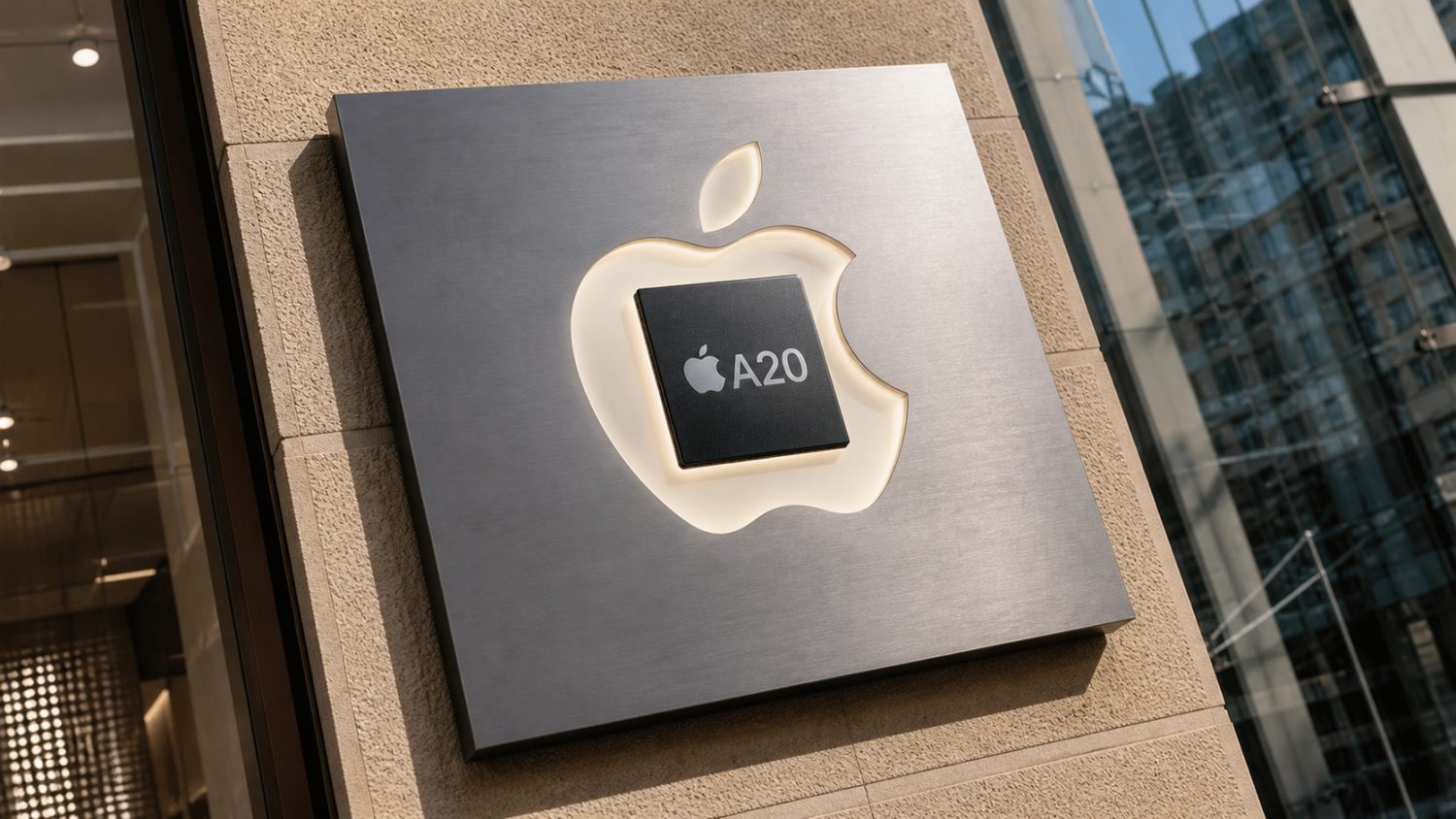
Apple reportedly plans to split the iPhone 18 generation across two launch windows. The fall 2026 wave covers the high-end models: iPhone 18 Pro, 18 Pro Max, and Apple’s first foldable. A second wave follows in spring 2027 with the iPhone 18, iPhone 18e, and iPhone Air 2, all running A20-series chips built on TSMC’s 2-nanometer process. None of this is confirmed by Apple.
Three Phones, Three Price Points
Each spring 2027 model has a distinct job to do in Apple’s lineup.
The iPhone 18 is the straightforward mainstream successor. Gurman’s assessment, reported by AI Weekly from his Bloomberg Power On newsletter, is blunt: “the iPhone 18e and the iPhone 18 will likely receive an A20 chip and little else.” Structural changes beyond the silicon upgrade are expected to be minimal.
At the entry level, the iPhone 18e delivers 2nm-class performance at a lower price tier without a significant design overhaul. Its value proposition is straightforward: a cheaper path into the A20 generation.
iPhone Air 2 is the most notable device of the three. It reportedly keeps the slim profile of the first-generation Air while delivering meaningfully better battery life. Some leaks also suggest a second rear camera for ultra-wide photography, though the specific Notebookcheck article cited below does not expect a dual-camera setup until a design can be borrowed from the foldable, making that detail disputed. Notebookcheck, summarizing Gurman’s reporting, framed the Air 2’s core appeal plainly: “The biggest upgrade of the iPhone Air 2 will be the more efficient Apple A20 chipset that’s built on the 2nm process and should result in longer battery life.” Some sources specify the Air 2 will use an A20 Pro rather than the standard A20; that distinction also remains unconfirmed.
What the A20 Actually Means
Apple’s new chip generation arrives in two tiers, with the Pro variant leading the way.
The A20 Pro is expected to have debuted in fall 2026 inside the iPhone 18 Pro, 18 Pro Max, and Apple’s foldable. The standard A20 reportedly follows in the spring 2027 mainstream lineup.
Both variants are built on TSMC’s 2nm process node, a step up from the 3nm chips in current Pro iPhones. Reported improvements include higher performance per watt and a revised packaging method that places system memory closer to the processor. Apple has not confirmed either chip’s full specifications.
A Much Larger Slate Behind the iPhones
The spring phones are one piece of an unusually dense product cycle stretching across every major Apple category.
The spring 2027 iPhone trio reportedly arrives alongside M6 MacBook Airs and a second-generation MacBook Neo running an A19 Pro chip. The slate also reportedly includes an OLED iPad Air, a budget-focused iPad for students, and refreshed iPad Pros with vapor chamber cooling for sustained performance workloads.
Apple’s smart-home ambitions are part of the same cycle. A refreshed HomePod mini is expected at around $129 and a new Apple TV at approximately $199. A smart-home hub with a roughly 7-inch display, carrying the internal codename J490, reportedly runs a new OS supporting FaceTime, intercom, and home security monitoring.
All of this falls to CEO John Ternus, Apple’s former hardware chief. He reportedly enters the role facing one of the company’s densest product slates across smartphones, tablets, Macs, and smart-home hardware simultaneously.
The Upgrade Question Apple Is Now Building Into Its Calendar
Fall 2026 or spring 2027: Apple is turning that choice into a feature, not an accident.
If this roadmap holds, Apple will offer a genuine annual decision point. Spend more in fall for Pro performance and foldable novelty, or wait until spring for A20-based mainstream models at lower price tiers. That is a structural shift Apple has not formalized before, and it is worth factoring into your upgrade timing now.